
In B2B support, a ticketing system is software that automatically creates issue tickets, centralizes account context, and escalates open issues.
Modern ticketing systems differ from legacy products in their flexibility and intelligence. With features like omnichannel support, AI-powered automation, self-service options, and sophisticated collaboration tools, these platforms help your support teams work much more efficiently and create a better customer experience.
Read on to explore the most common features in modern ticketing systems and how to choose a platform that suits your post-sales teams’ needs best.
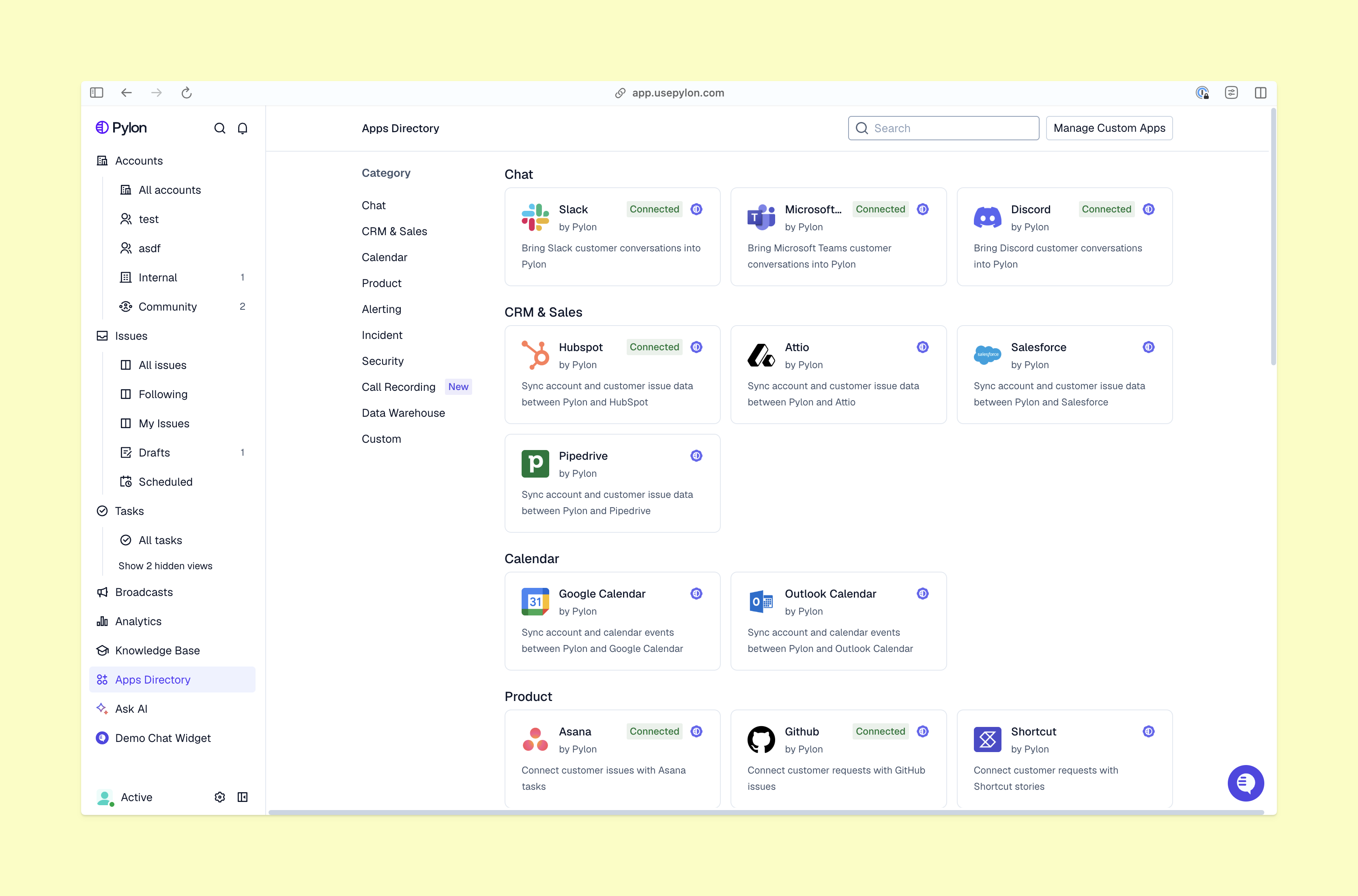
Today’s tools offer comprehensive support team assistance via the following features.
In traditional ticketing software, requests generally came in by email or phone, and the support team needed to create tickets manually. Today, ticketing systems feature omnichannel support and automated ticket management and routing that reduce this manual labor.
This means that customers can communicate with you in their preferred channel — whether that’s email, live chat, Slack, Discord, etc. — and the system automatically creates tickets from their requests and assigns them to the right team. Account context is also centralized, so it’s easier to see what issues specific customers keep encountering and the solutions they’ve tried already. Plus, escalation management is smoother, since the ticketing system automatically moves issues along based on pre-defined rules.
Automation doesn’t end with ticket intake: The best support ticket systems also offer AI-powered tools to speed up other parts of the ticket management process. For example, AI agents can answer simple questions or send self-serve resources to customers, and AI assistants can summarize issues and draft responses.
You can also use AI to analyze customer messages and tag, categorize, and prioritize tickets. The system can then track the workload of different team members and make sure the work is distributed evenly across the team.
For simple issues, 61% of customers say they prefer to solve it on their own via a self-service resource. Modern ticketing systems include chatbots and AI agents that send customers options like knowledge base articles and FAQ pages. That saves your team the time it takes to receive and respond to these queries.
Comprehensive ticketing platforms consolidate the data from every customer issue, sharing real-time dashboards that cover data points you’ve set (like first response time or time to resolution). You can use these insights to spot improvement areas. For example, if you see that many accounts keep complaining about the same bug, you might prioritize that fix above other tasks that aren’t affecting accounts as much.
Effective post-sales support often involves cross-functional collaboration. A support teammate might need a customer success leader’s help upgrading an account’s plan, and an account manager might need to work with the product team to scale an account’s product usage.
The most popular ticketing systems include collaboration tools that help you share ticket and account context, assign ownership, add tags and internal notes, and escalate high-priority issues. Great platforms centralize all the information each team needs to move problems along quicker without repetition and wasted effort.
Here’s how modern ticket management systems improve speed, consistency, and scalability for customer support teams.
Modern ticketing software helps your team work faster. They don’t need to waste time on routine tasks like ticket routing and answering basic queries, and tickets don’t get delayed due to unclear ownership or fragmented workflows. Well-designed ticketing systems and efficient workflows translate into faster responses and quicker overall issue resolution for customers.
2025 customer support data shows that customers expect fast, personalized responses. This is much easier to deliver on when you use ticketing systems that include automated or AI-driven support. And if you’re worried that automated support might frustrate customers, don’t fret: 74% of customers expect that anything they can do via the phone or email will also be doable via digital channels.
Comprehensive ticketing systems will showcase support metrics in easy-to-interpret dashboards, so you can track ticket resolution, notice recurring problems, and pivot quickly to improve your support service.
As your team scales, they’ll likely find it challenging to offer personalized support to more and more accounts. Ticketing software that includes AI-powered support tools (like AI agents) helps here by sending on-brand responses that include account context. From the first touchpoint, customers can tell that even the AI tool knows where they’re at and what they need.
Ticketing systems with AI support can also help your support teams personalize their responses by centralizing account context teammates can use to draft messages.
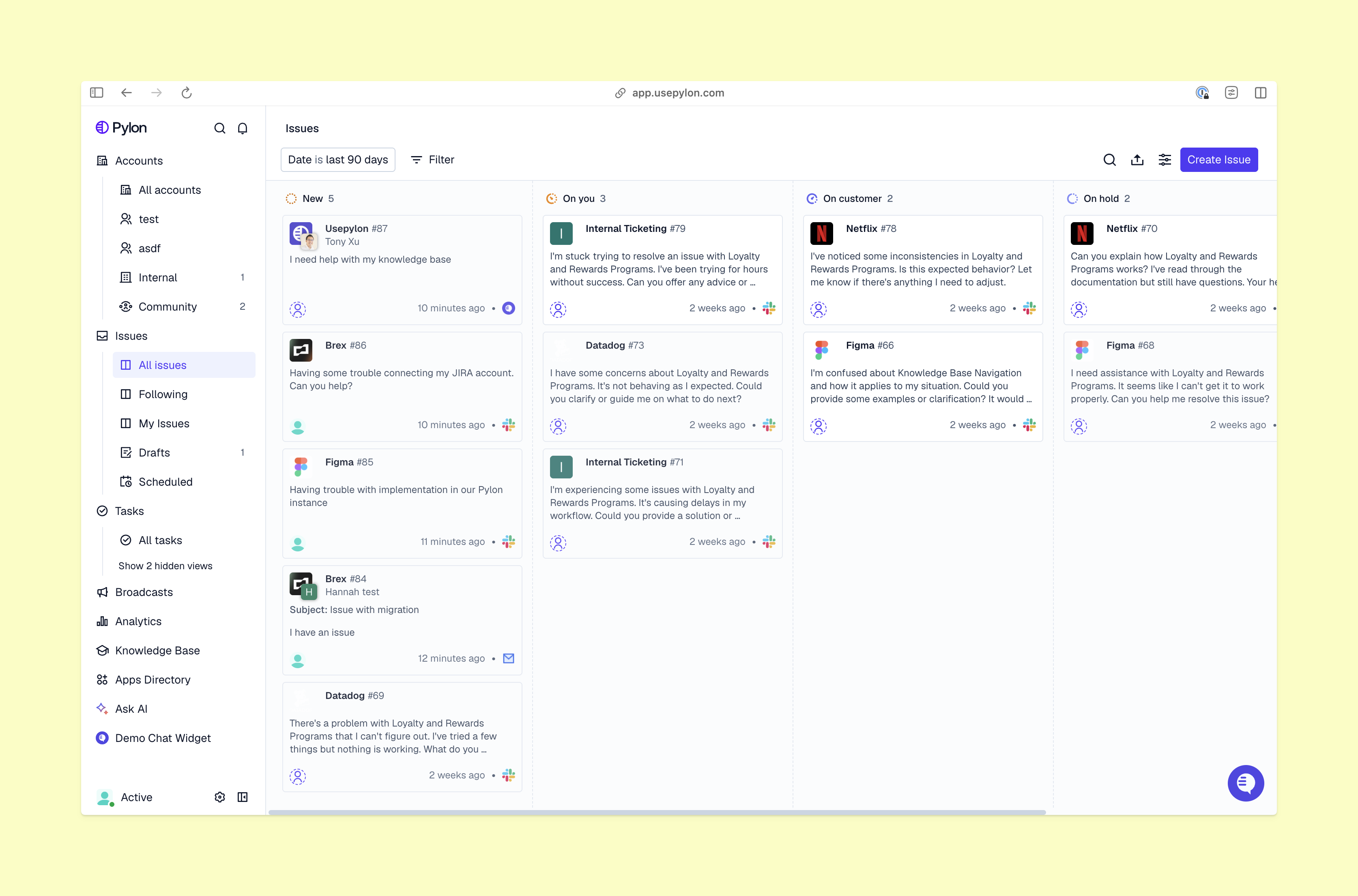
Instead of getting overwhelmed by a long list of ticketing tools, follow this three-step guide to find a platform that suits your team.
The type of ticketing system you choose will depend on how big your team is and the support you want to offer. A large team that needs to cover multiple comms channels and collaborate cross-functionally will need a more complex ticketing system with advanced features, while a small startup might try something less sophisticated. That said, it’s always beneficial to find a platform that’s scalable.
Do an audit of your current customer support processes and systems, and decide where you need to improve. If, for example, your team is spending too much time answering basic questions, then automation and self-service features will be important. And if you deal with a lot of complex issues that are spread across multiple teams, then collaboration tools should be the focus.
When you’re clear on what you need, evaluate the feature set of each system you’re interested in to see if it meets your top requirements. No matter your goals, look for something customizable; ticket categorization and escalation are often team-specific, and you want to be able to create unique triggers.
While respecting your budget, try to find something you can easily scale as you grow. You should also choose a platform that integrates with your core support tech stack, so you don’t have to switch to multiple new tools at the same time. Or, you could take on an all-in-one support platform to reduce the number of tool-switching your team needs to do overall.
Once you choose a ticketing system, but before you roll it out, share your “Why” with all teams affected by this tool change. You want to cover:
Even if the benefits seem obvious to you, process changes are always frustrating to employees who are in a groove with the current system. But if they understand why you’re making this change and feel they have avenues to offer feedback, roll-out should be much smoother, with less employee friction.
Customers expect fast, personalized customer support, and that can be hard to deliver as companies scale and operations become more complex. Modern ticketing systems help you give customers the support they expect while managing higher volumes. Look for a platform that offers multi-channel communication, time-saving automation and collaboration tools, self-service options, and detailed analytics.
Pylon is the modern B2B support platform that offers true omnichannel support across Slack, Teams, email, chat, ticket forms, and more. Our AI Agents and Assistants automate busywork and reduce response times. Plus, with Account Intelligence that unifies scattered customer signals to calculate health scores and identify churn risk, we're built for customer success at scale.
Pylon Workforce Management is available now. See it in action with a live demo.