
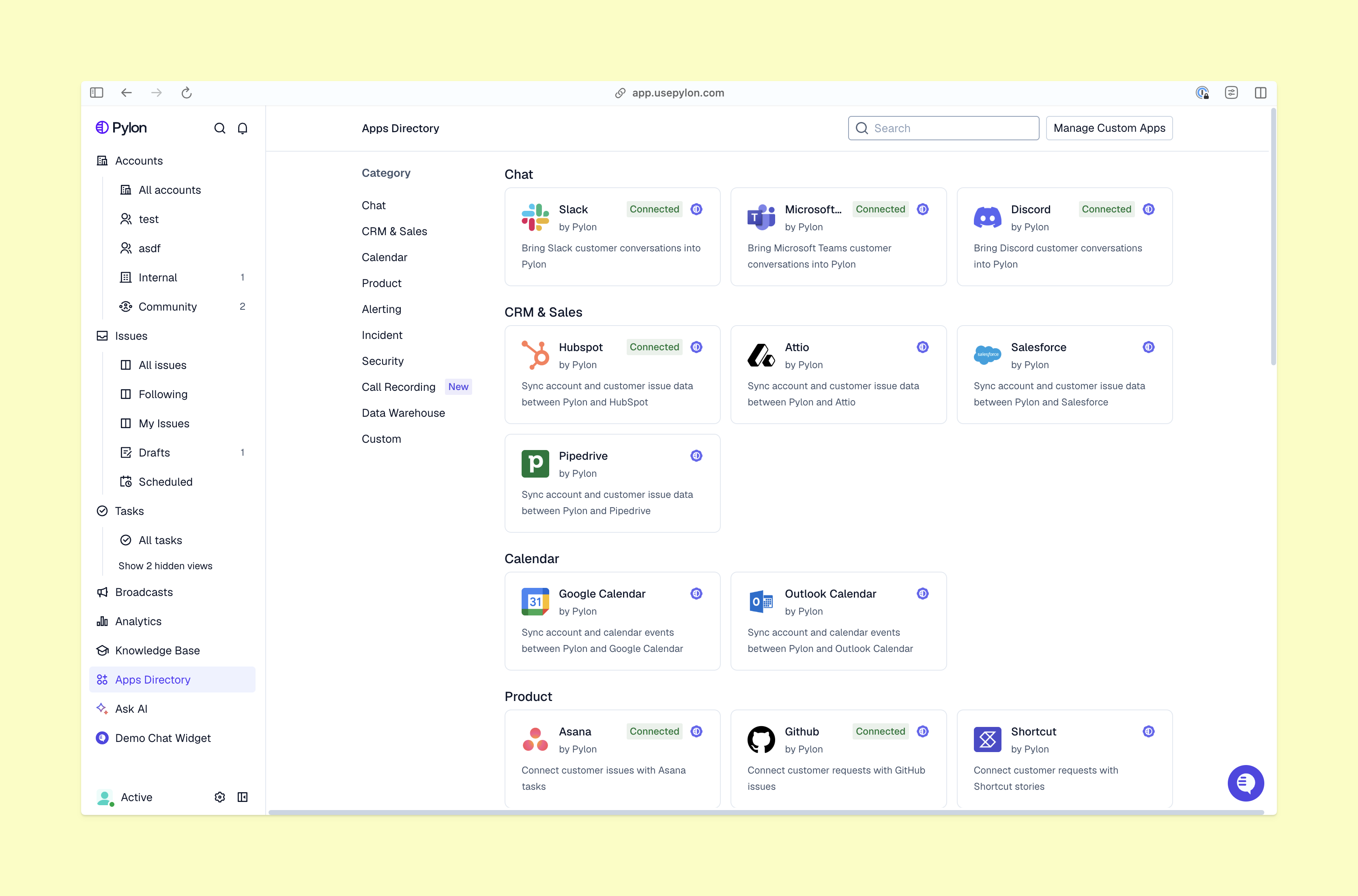
B2B customers expect fast, seamless communication. A customer messaging service makes it easy to manage conversations across SMS and live chat, as well as platforms like Slack and Microsoft Teams.
When you have a reliable communication platform in place, your customer support team can easily see the full customer context at all times and avoid the kinds of poor communication that undermine customer relationships.
In this article, we’ll cover the benefits of customer messaging services, then explore what to look for in different types of platforms.
Customers use texting and instant messaging apps all the time in their personal lives, and they expect to be able to use them at work, too. Modern teams tend to be fast-paced, online, and spread across time zones, so instant messaging aligns with and supports how they already work.
Messaging is also faster and more flexible than traditional methods like phone and email. Customers and support teams can communicate asynchronously at their own pace. And research shows customers prefer it: Live chat boasts an average customer satisfaction score (CSAT) of 87%, higher than email (61%) or phone support (44%).
A customer messaging service also helps your support team work more efficiently at scale. You can track messages across channels and collaborate with other teams, and everyone has the same context. Over time, this visibility and speed can lead to a smaller ticket backlog and better SLA compliance.
When you’re looking for a messaging solution, consider these important features.
Look for a platform that offers omnichannel support, where you can send messages and manage conversations across multiple channels from a single dashboard. Automated SMS messaging may be part of your strategy, for example, but you’ll probably still talk to customers through more traditional channels like email. With an omnichannel platform, your team won’t have to jump between windows to reconcile tickets, and it’ll be easier to integrate a messaging service into your team’s current workflow.
Any messaging service you choose should easily integrate with your existing systems, especially your customer support platform. Your team needs visibility into customer context and conversation history so no one has to repeat information, so your support platform should automatically update with each new message. Integrations with third-party messaging apps, like Slack and Microsoft Teams, and your help desk fill in some of the gaps.
Most modern solutions include automation and AI tools to streamline workflows and improve the team’s productivity. For example, an AI assistant can automatically suggest responses, and an AI agent can send customers knowledge base articles and other self-service options to answer questions.
Look for platforms with automated workflows, like automatic prioritization and routing of queries to particular team members. You can also automate sending customer feedback surveys at regular intervals.
If you need to send texts to customers, make sure they’ve opted in first. A good messaging service will make it easy for customers to share their consent. Consider options with strong security and data protection to help you comply with privacy laws and local regulations.
Strong reporting capabilities help you track your customer support KPIs so you can make sure your team is answering inquiries promptly and accurately. Look for a system with a detailed analytics dashboard that you can use to track performance as conversations happen.
In B2B customer support settings, multiple team members often work on a single customer concern, so your system should enable smooth collaboration. Look for a platform that lets you assign and route conversations to different team members and give non-support teams the visibility they need to problem-solve.
Some messaging services are better for marketing campaigns, and others have stronger features for post-sales teams. Here are the most common types of messaging services and what they support best.
A shared team inbox is a popular way to manage high conversation volume. It collects all the messages of a particular format (often emails) in one place, so the team can distribute the workload efficiently and collaborate on more complex problems with the same context. Combine a shared inbox with an omnichannel support platform for the best safety net against missed messages.
Automated support platforms with conversational AI offer customers more ways to get help whenever they need it, with personalized messages based on their context and concern. AI agents can reliably answer simple questions and automatically create tickets from each interaction, then route them to the right team member when necessary.
Even if you choose a platform that puts automation first, emotionally charged conversations and complex problems need to be handled with care. It’s still important your customers can reach your support team and get prompt, accurate responses in those situations.
An omnichannel messaging platform gives B2B companies the advanced routing, reporting, and integrations they need, often with automation and AI tools to help teams work more efficiently. This kind of program is particularly well suited for B2B customer support. Solving complex issues with multiple stakeholders involves a lot of tickets across multiple channels, and it can be easy to lose track of who knows what. An omnichannel platform consolidates all this information and reveals any gaps in your customer communication.
For a marketing or outreach campaign, an SMS texter like SimpleTexting is a useful solution. It lets you set up an SMS marketing campaign and schedule texts to be sent to your customer contact list using a text messaging plan. This feature isn’t as important for B2B support environments, but you could use it to send important announcements and updates with automated text messages for your business customers.
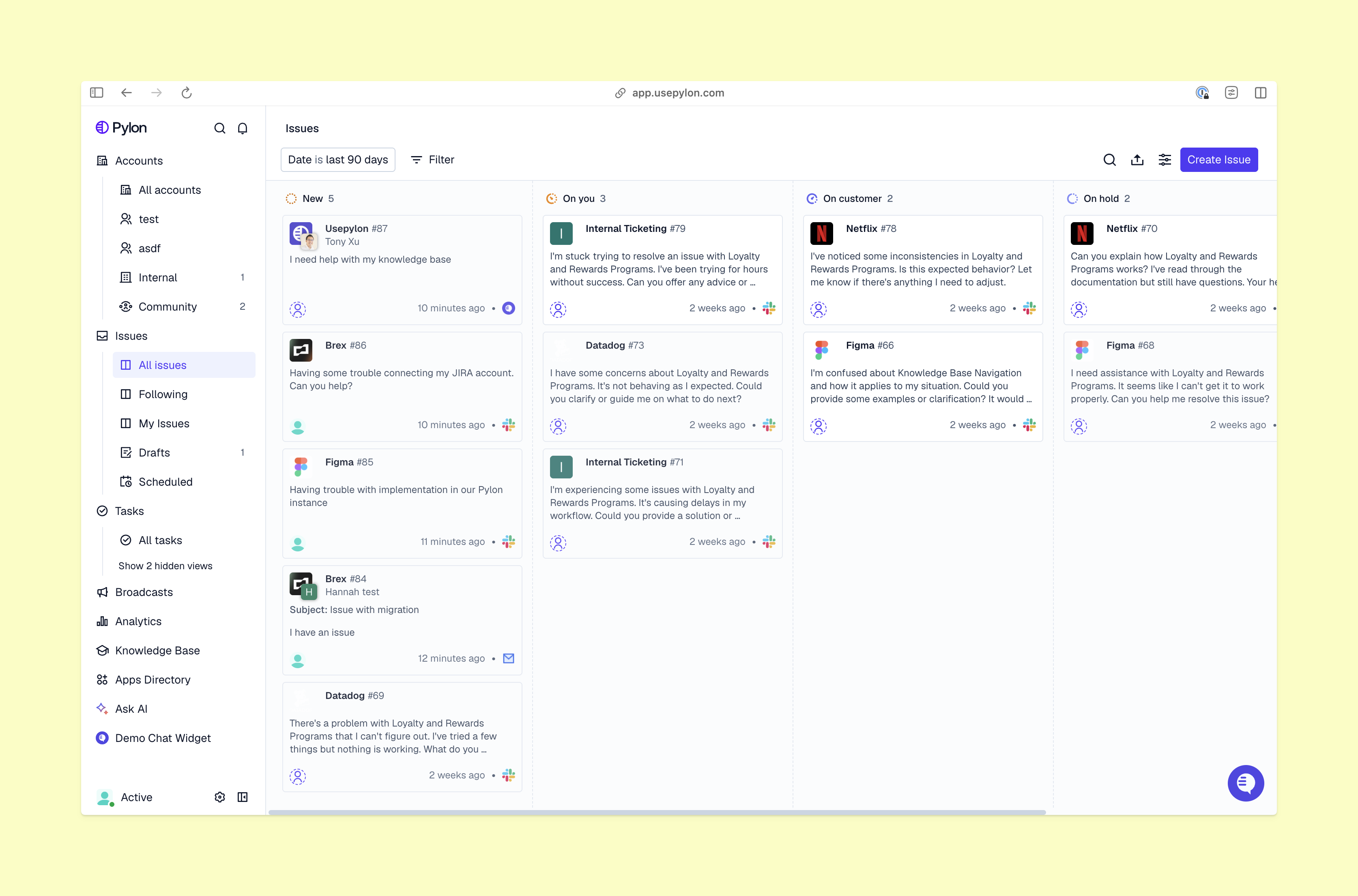
For B2B teams, messaging services are a way to support current customers and convert prospects that need structured, multi-agent support. They’re not a tool for campaign broadcasting or promotions.
To make the right choice for your support team, start with solutions that include messaging alongside ticketing, help desks, and account management. Look for the following features:
With so many types of customer messaging services available, look for a system that’s designed for B2B customer support. The right platform is built for collaboration and complex customer needs while seamlessly integrating with your current systems, and includes automation options to help your team give better support.
Pylon is the modern B2B support platform that offers true omnichannel support across Slack, Teams, email, chat, ticket forms, and more. Our AI Agents and Assistants automate busywork and reduce response times. Plus, with Account Intelligence that unifies scattered customer signals to calculate health scores and identify churn risk, we're built for customer success at scale.
A customer messaging service is a communication platform that enables companies to send and receive messages with customers across channels like SMS and chat in real time.
It can be compliant when companies implement opt-in consent, clear opt-out options, secure data handling, and carrier-approved messaging practices.
Pricing varies based on message volume, number of users, automation features, and integrations. Most platforms offer tiered plans based on usage and functionality.
Pylon Workforce Management is available now. See it in action with a live demo.