
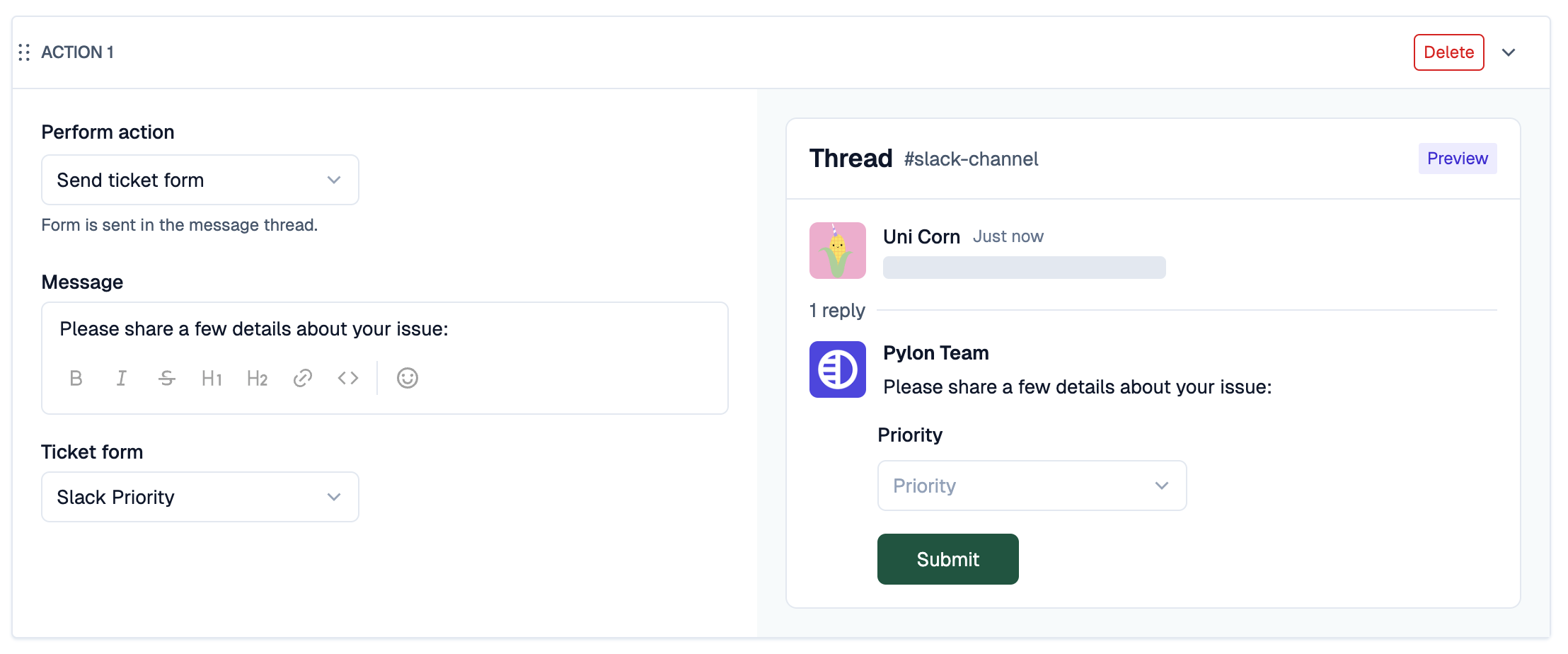
Pylon has rebranded and released Agentic Support in open beta. This release lets humans and agents collaborate on customer work — investigating, resolving, and acting on every signal.
Select multiple projects at once and apply bulk actions — archive, update, or manage them directly from the all-projects view
Contact phone numbers are now visible directly in the issue detail sidebar — no need to navigate to the full contact page
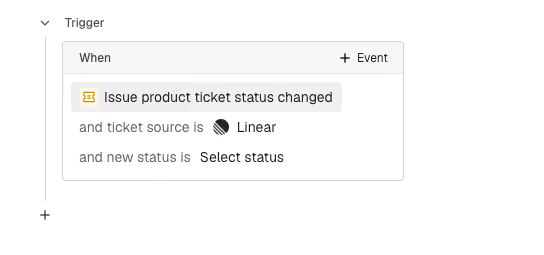
Automate actions based on task and project activity — trigger workflows when a task's custom field changes or a task status is updated, and take direct actions on tasks from any automation
updated_at Timestamp in the Issues APIThe Issues API now returns an updated_at field, allowing data sync tools like Fivetran and ClickHouse to detect changed records and sync only what's new — no more full re-syncs on every run
{{issue.customer_portal_url}} to link customers directly to their portal ticket/accounts API now supports an account_type field when creating accounts/import/contacts endpoint now allows the same email address across different accounts, unblocking contact migrationsTasks can now be automatically created from trigger actions based on events
Create reusable content blocks across knowledge base articles
Video file attachments now play natively within Pylon
Issues can now be deleted and restored from a dedicated deleted issues view
Admins can now update the email address for any user in their organization directly from team settings — no support ticket required.
The audit log now captures when a trigger is enabled or disabled, giving you a full history of who changed trigger states and when.
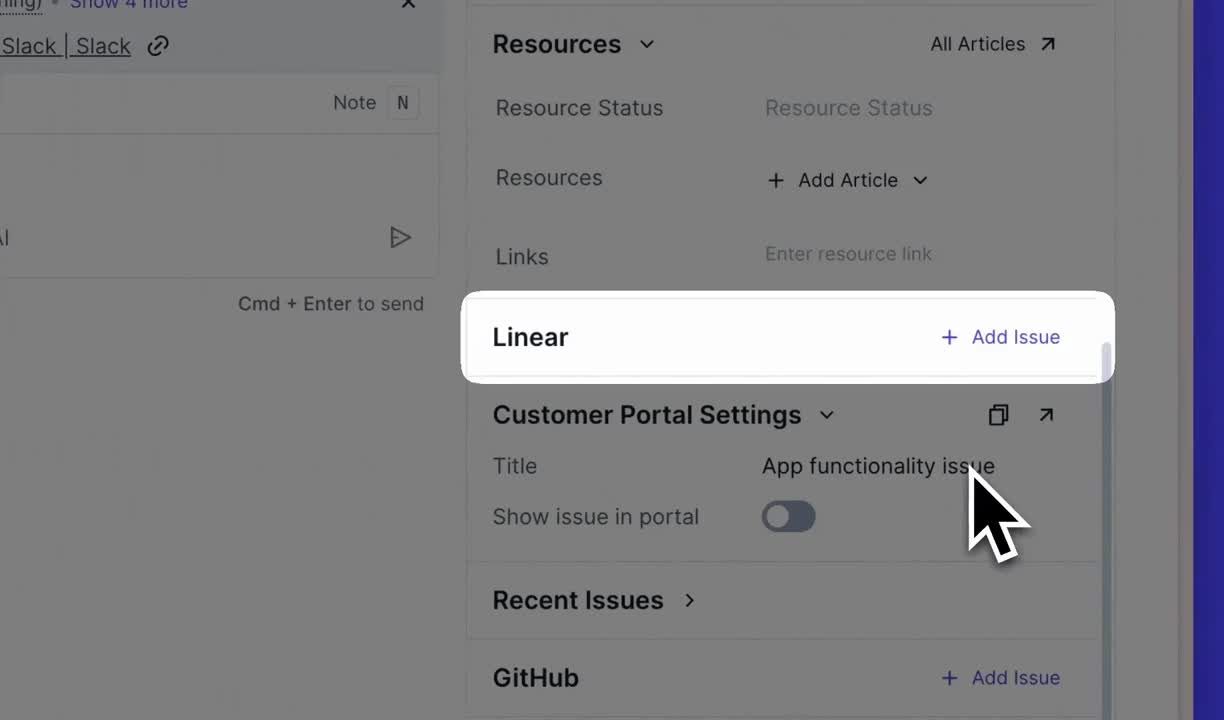
Connect external tools like GitHub, Linear, and Notion directly to Pylon AI — your agent now has real-time access to data across your entire stack.
Define your own status stages for feature requests beyond the defaults. Create statuses like "Planned", "Under Review", or "Won't Do" to match exactly how your team tracks product feedback.
MCP: get account endpoint now returns objects; new get objects endpoint addedContact fields now sync both ways between Pylon and HubSpot — edit a contact in Pylon and it writes back to HubSpot automatically.
When working a ticket, Pylon surfaces related feature requests in the sidebar — close the loop without leaving the issue.
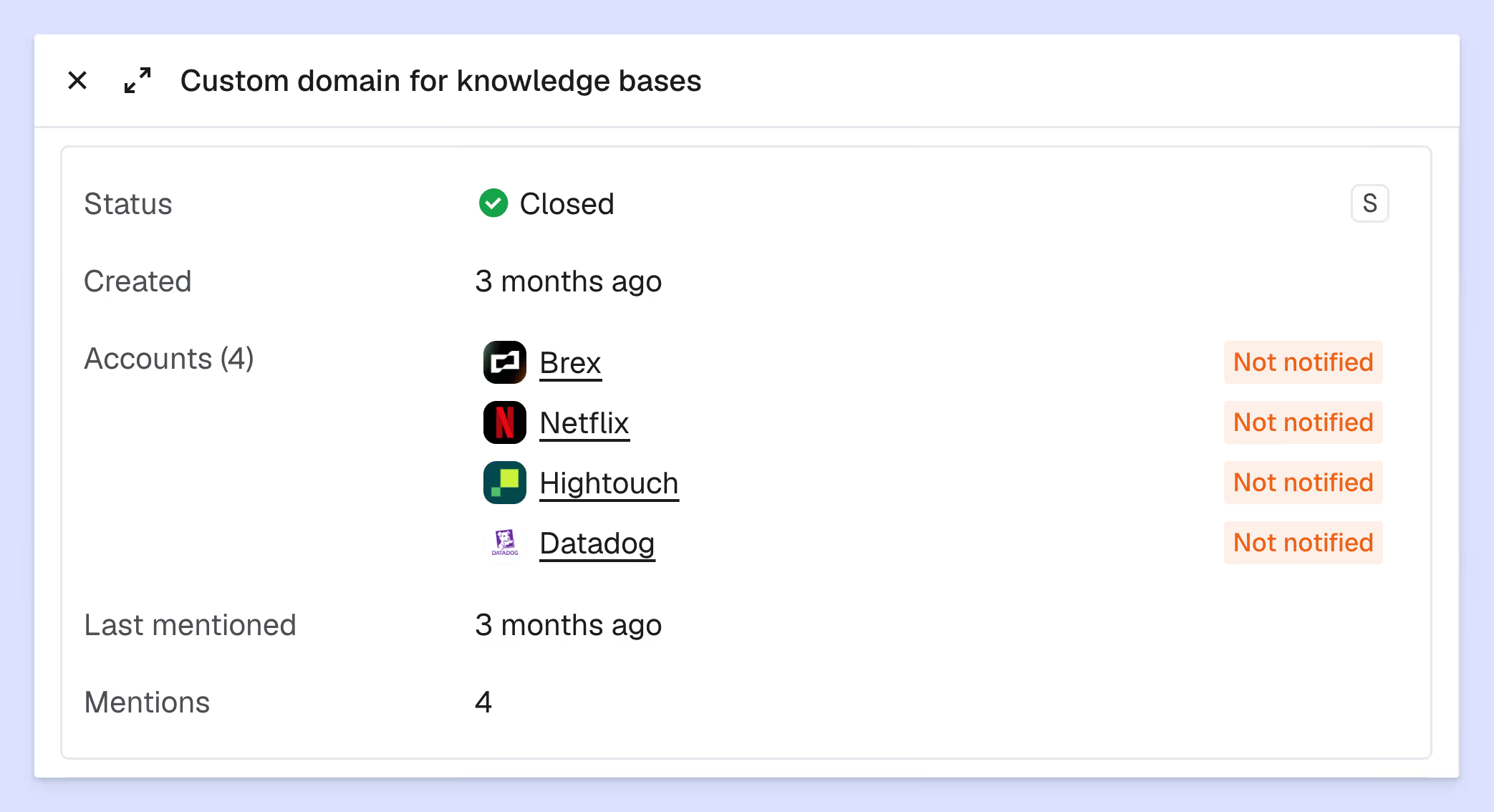
When a feature request is marked Done, see which accounts have been notified. Pylon scans issue messages, calls, and broadcasts to automatically track who's been told — so you can close the loop with every requester
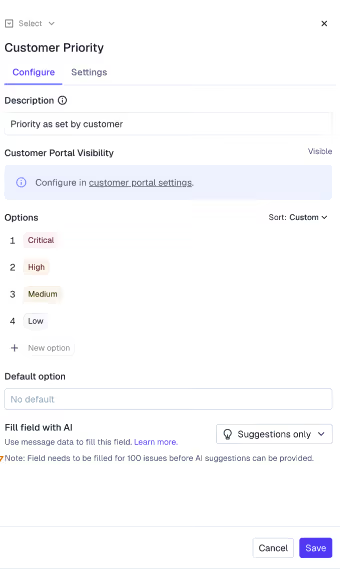
Enhanced AI-powered issue field tagging with suggest mode for human review, improved accuracy, and automatic AI field generation from historical manual tagging data
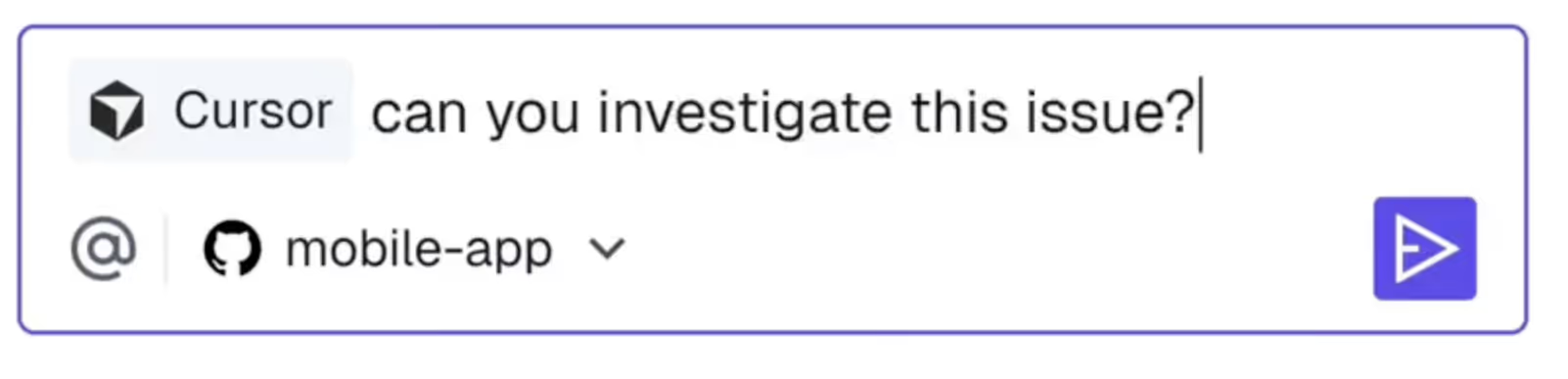
Mention @Cursor in your message. Pylon will feed context to Cursor's agent and deliver a response from Cursor right in your issue copilot
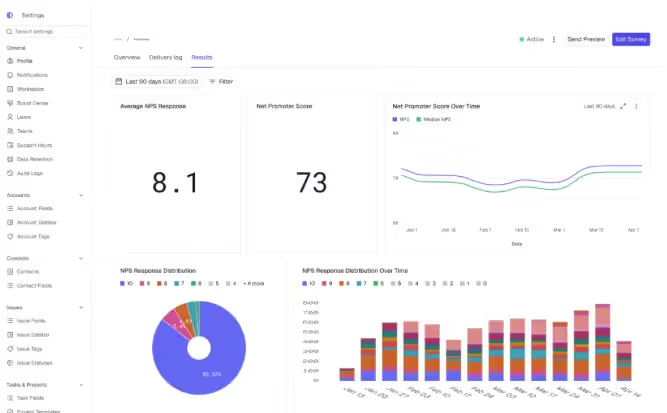
Robust NPS survey system with drip campaigns, reminders, audience preview, omnichannel delivery, and centralized analytics
Text messages from your customer support number now sync into Pylon as issues
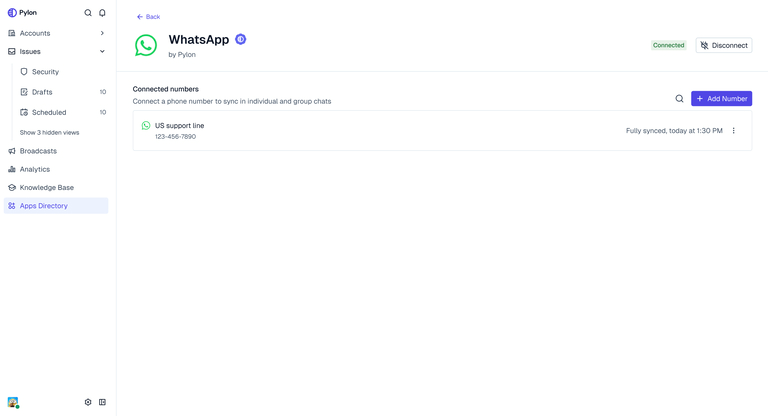
Connect Pylon to WhatsApp group chats to create issues from conversations
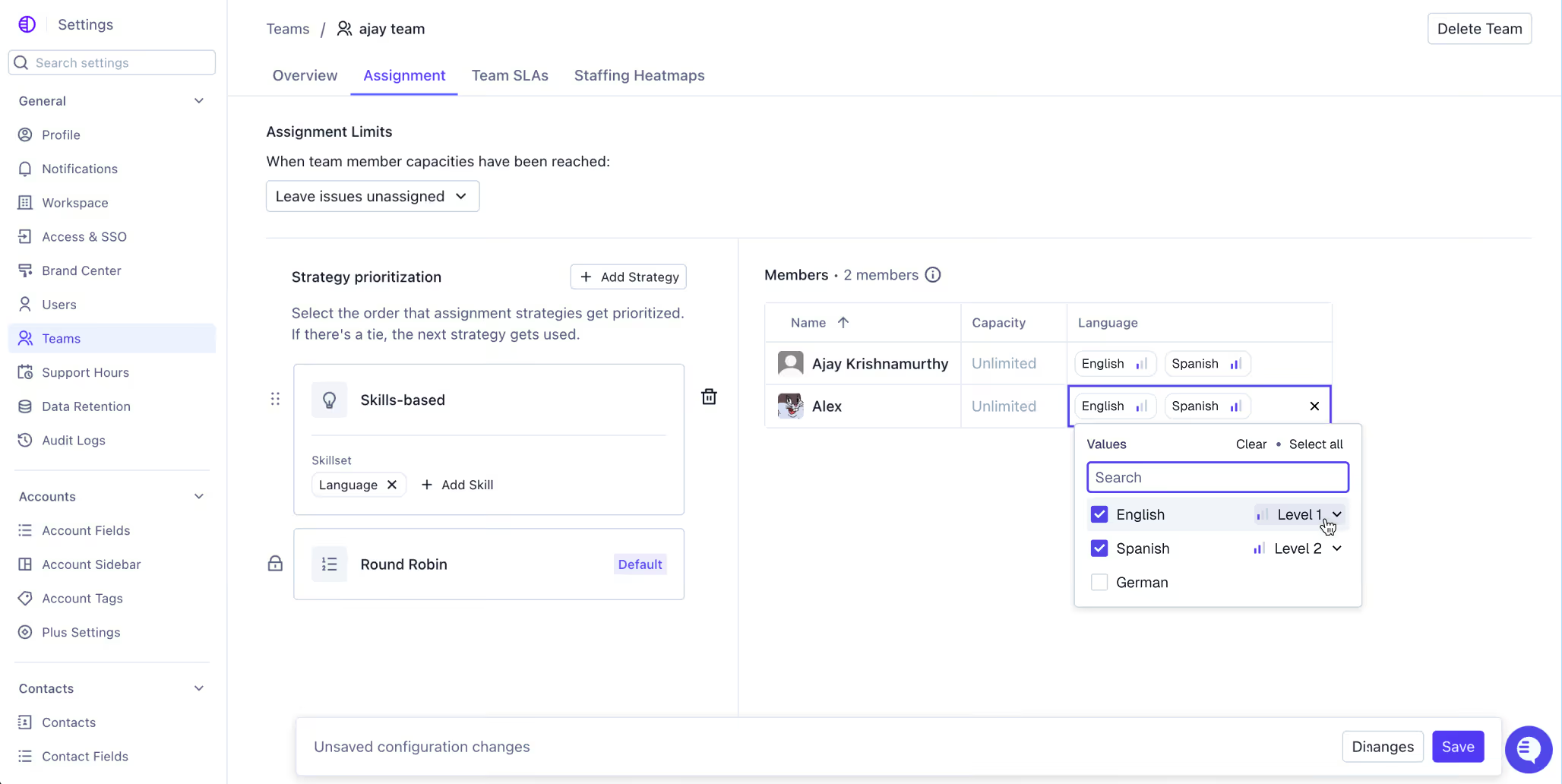
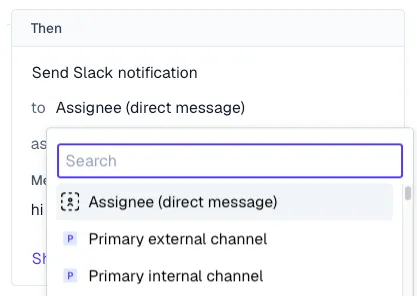
Set a skill and threshold in routing rules to ensure conversations reach team members with subject area expertise
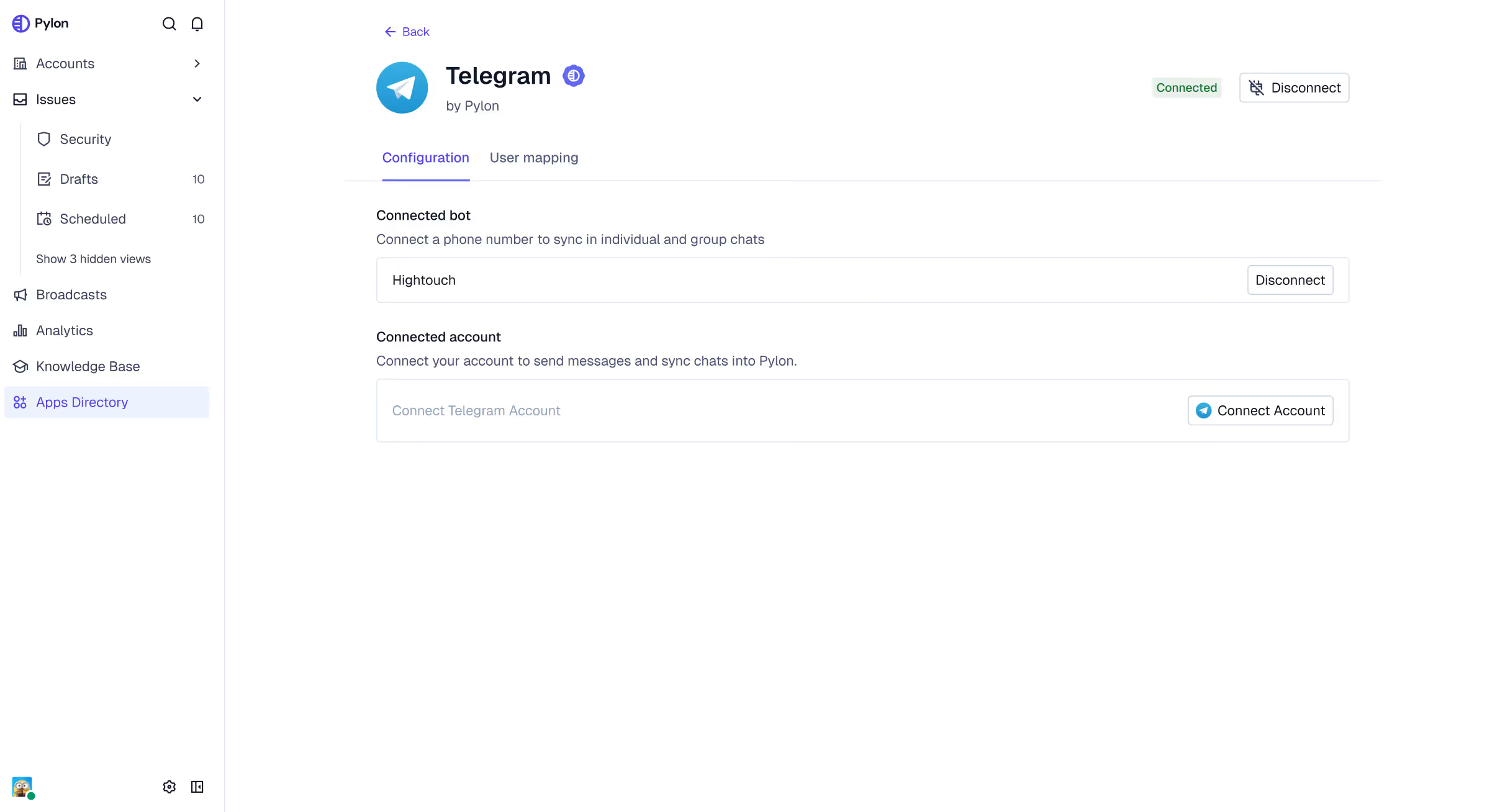
Connect Pylon to Telegram to create issues from Telegram conversations

Schedule automated summaries and insights delivered to Slack channels on a daily, weekly, or monthly cadence
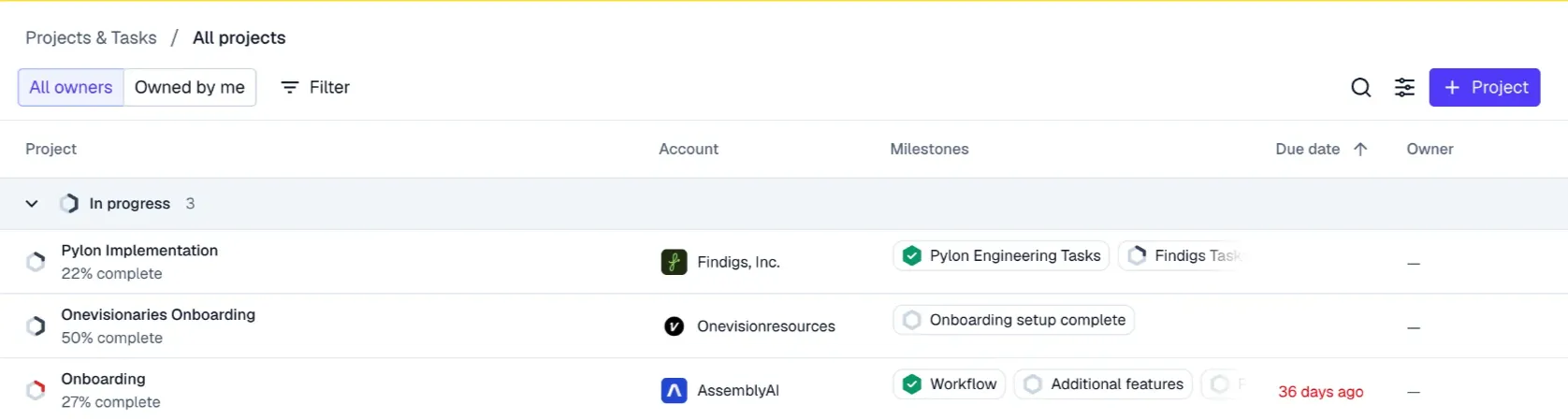
View a list of all projects with options to sort, group, and configure columns
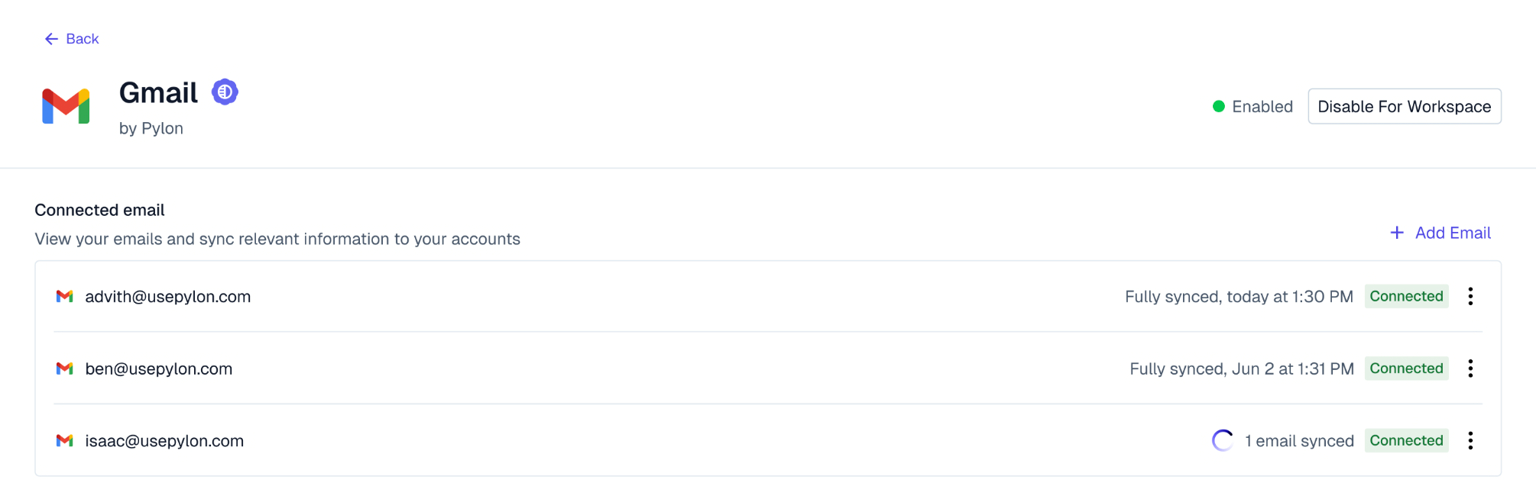
Connect your personal email inbox (e.g. bob@company.com) to Pylon to seamlessly pull historical and future emails into account activity
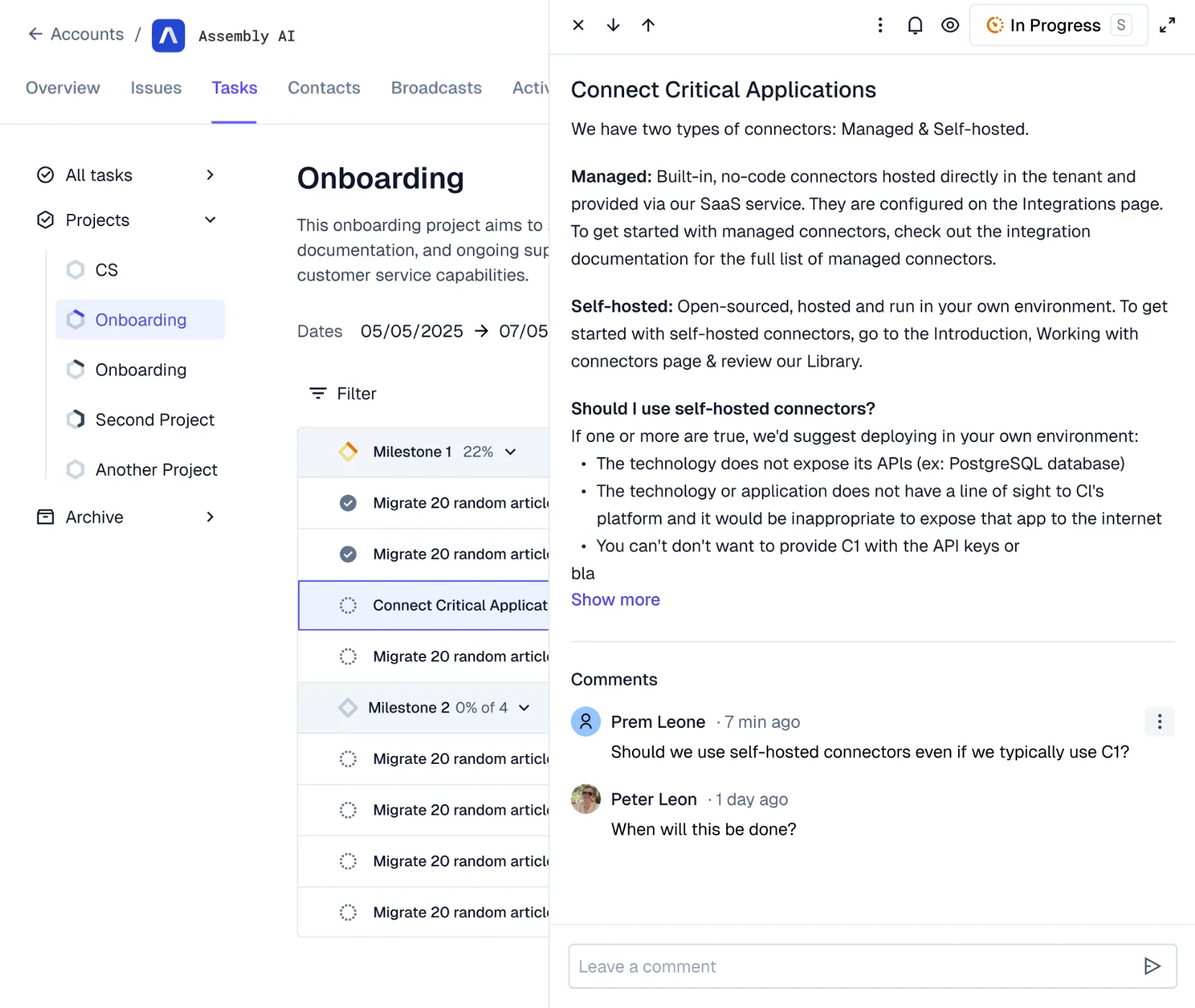
Customers and end-users can leave comments on tasks. End-users can comment within the customer portal and customers can comment within Pylon
Contacts can now be assigned custom roles to limit their access with granular permissions. For example. the admin can see all issues & a regional manager can see all issues tagged with a specific region
Pylon chat can now be embedded within Android, iOS, or React Native mobile apps
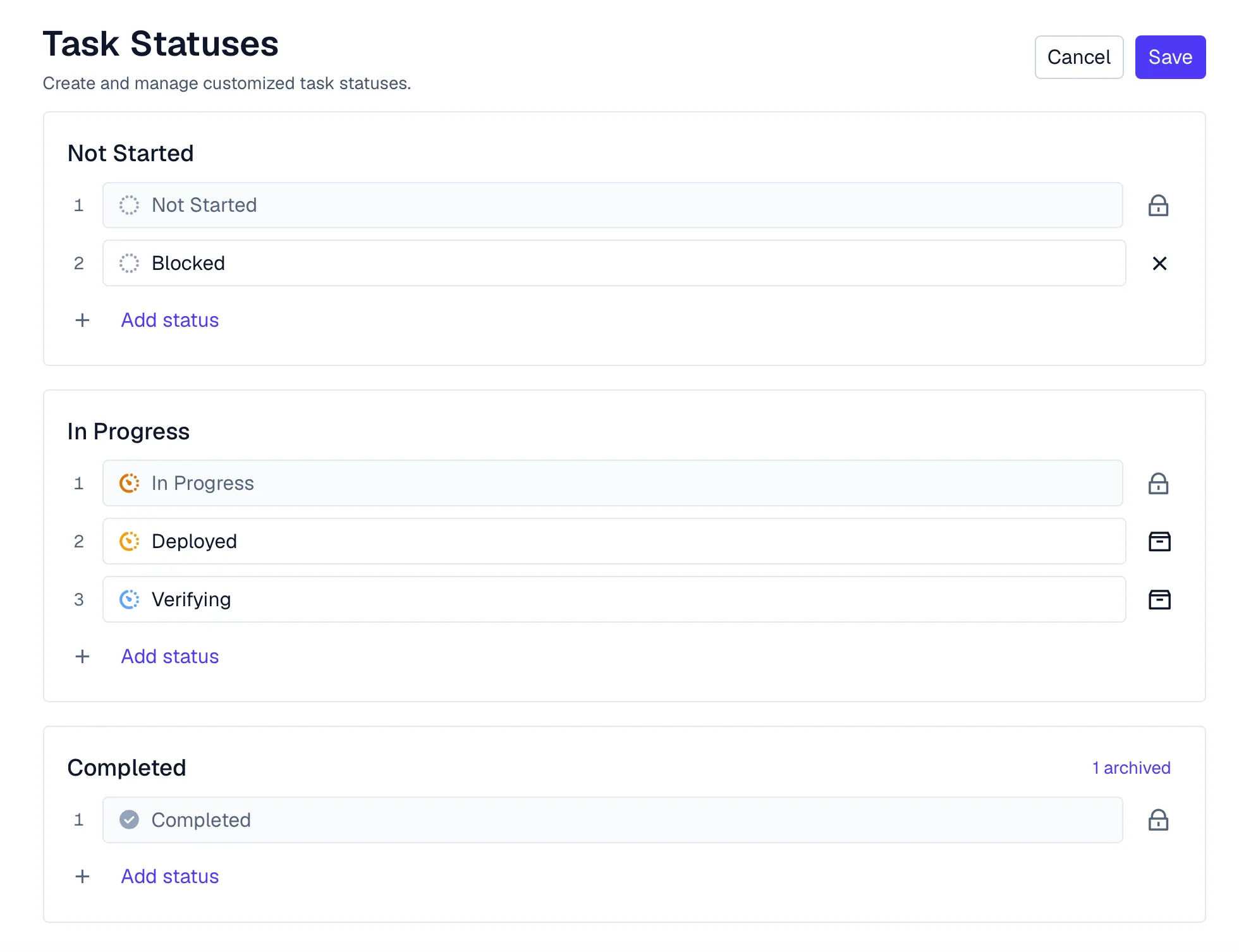
Custom statuses can now be created for tasks to represent unique workflows
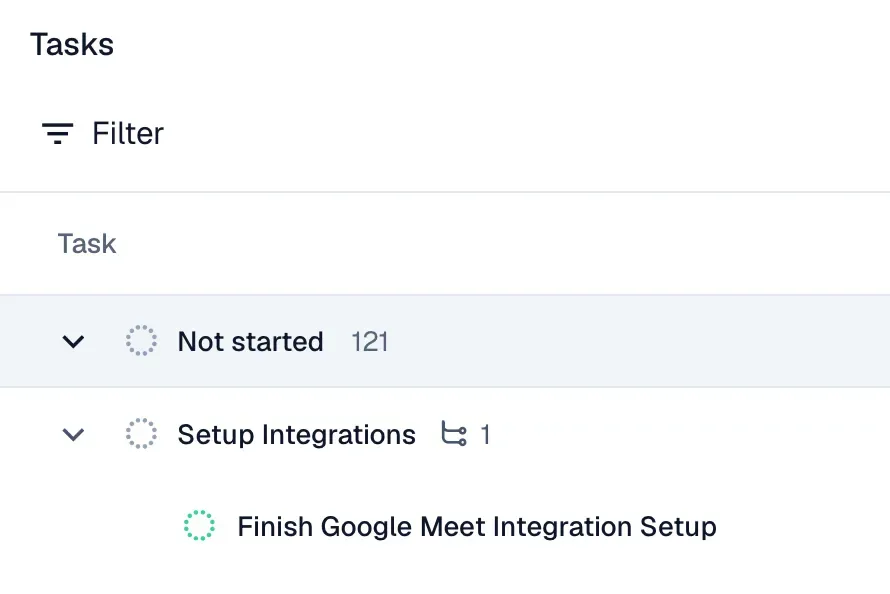
Tasks can now have subtasks. Subtasks automatically inherit the account, project, and milestone from their parent task
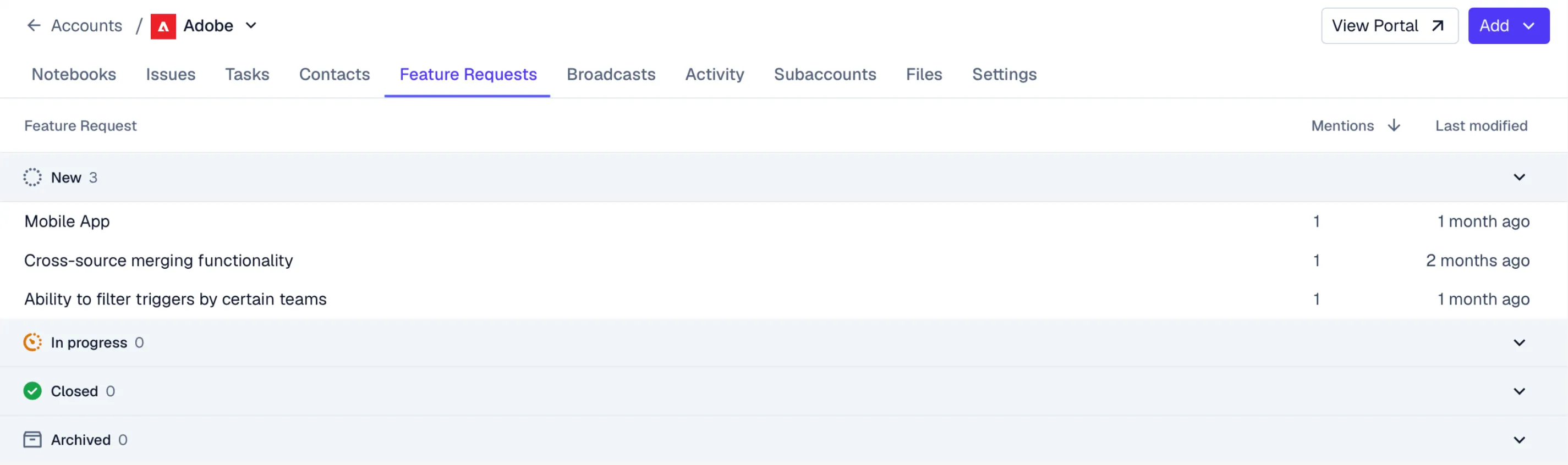
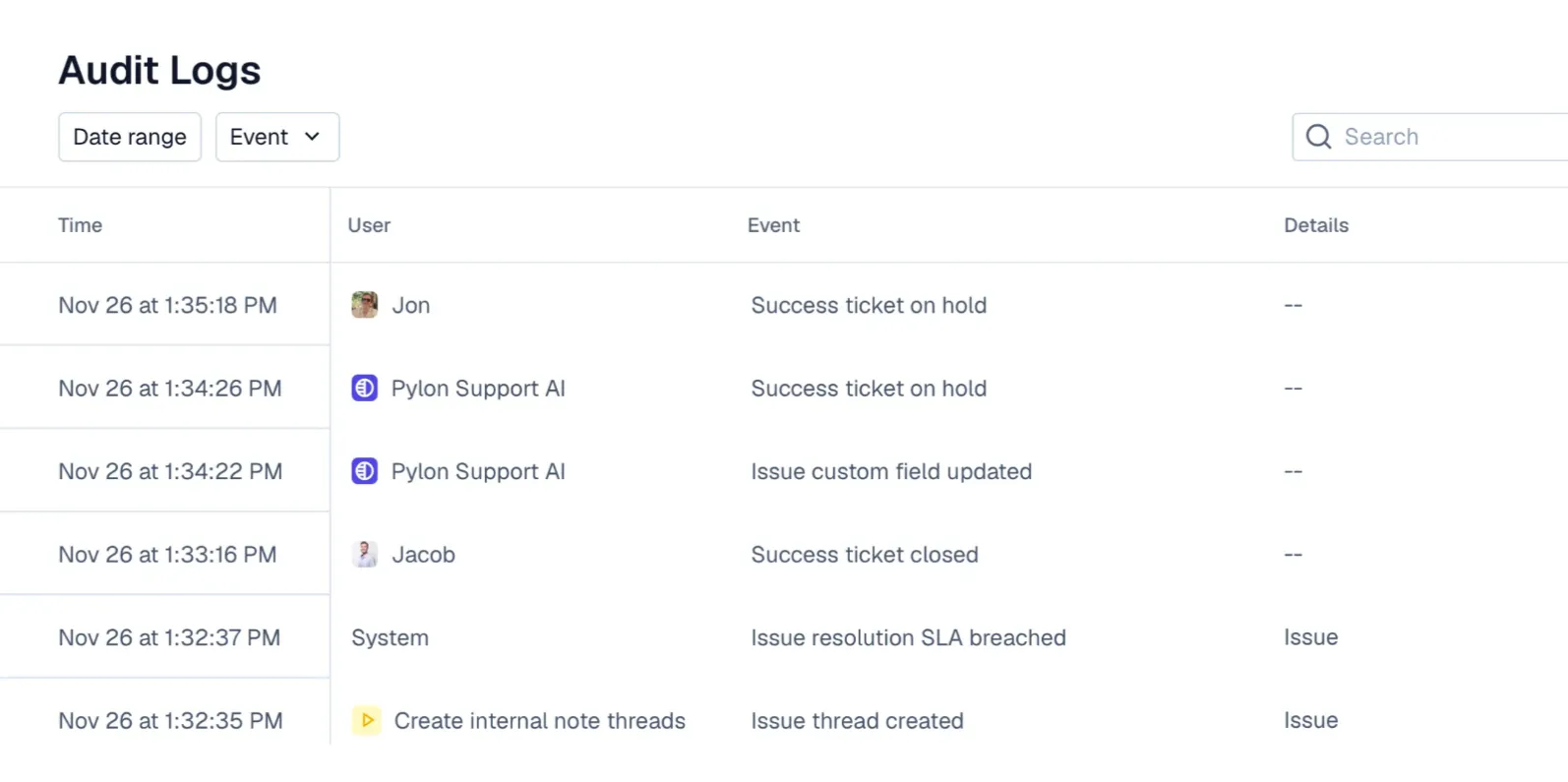
Audit Logs capture events and include clear actor information to improve traceability across account-level changes such as settings updates, user management actions, and more
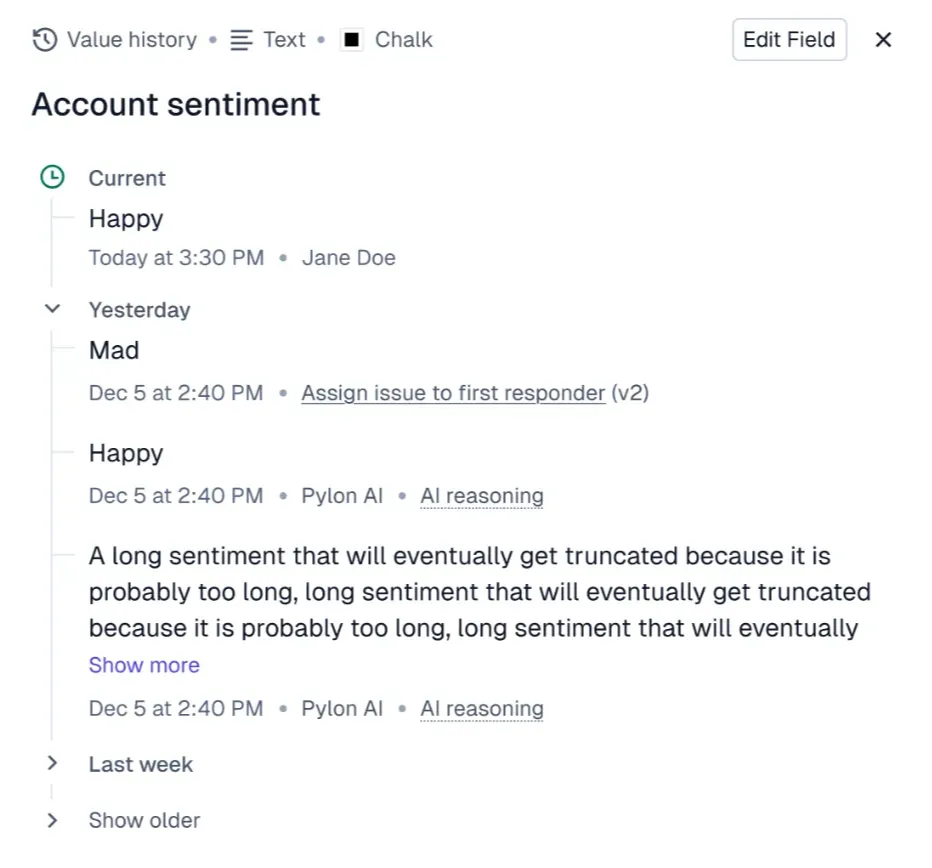
Field values like ARR and sentiment can now be tracked over time — for example, you can monitor changes in ARR or the number of accounts in a book of business over time
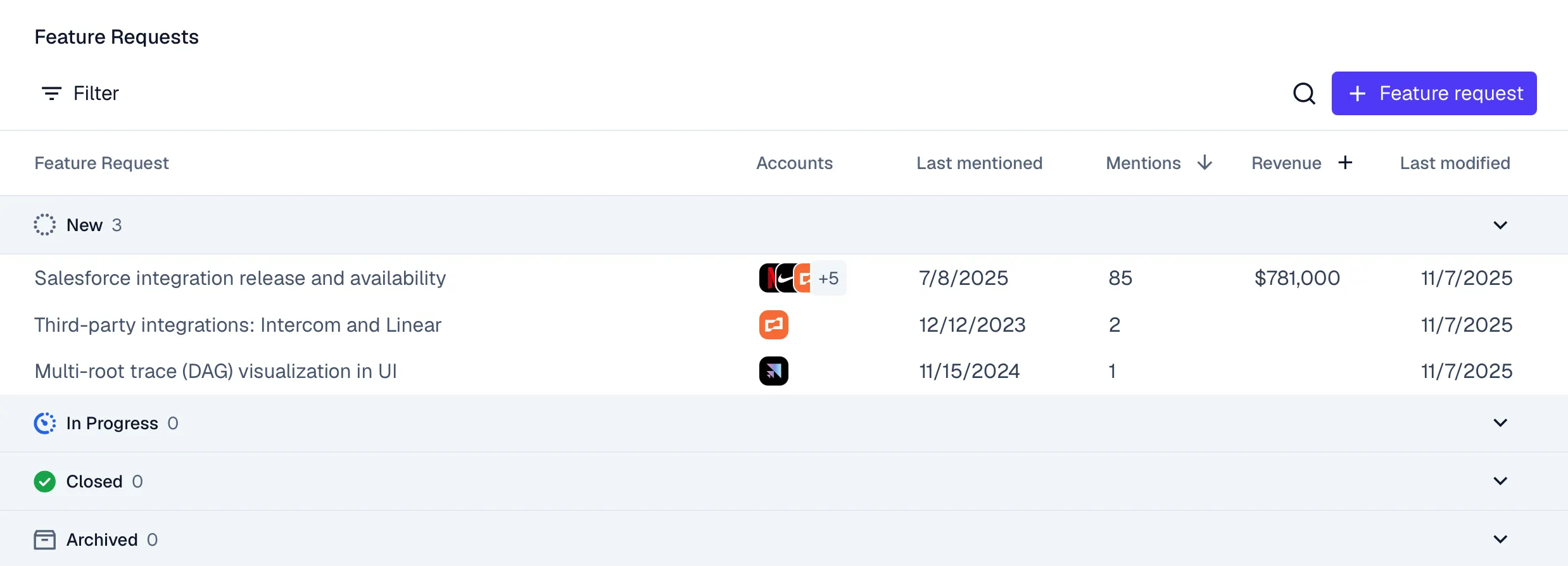
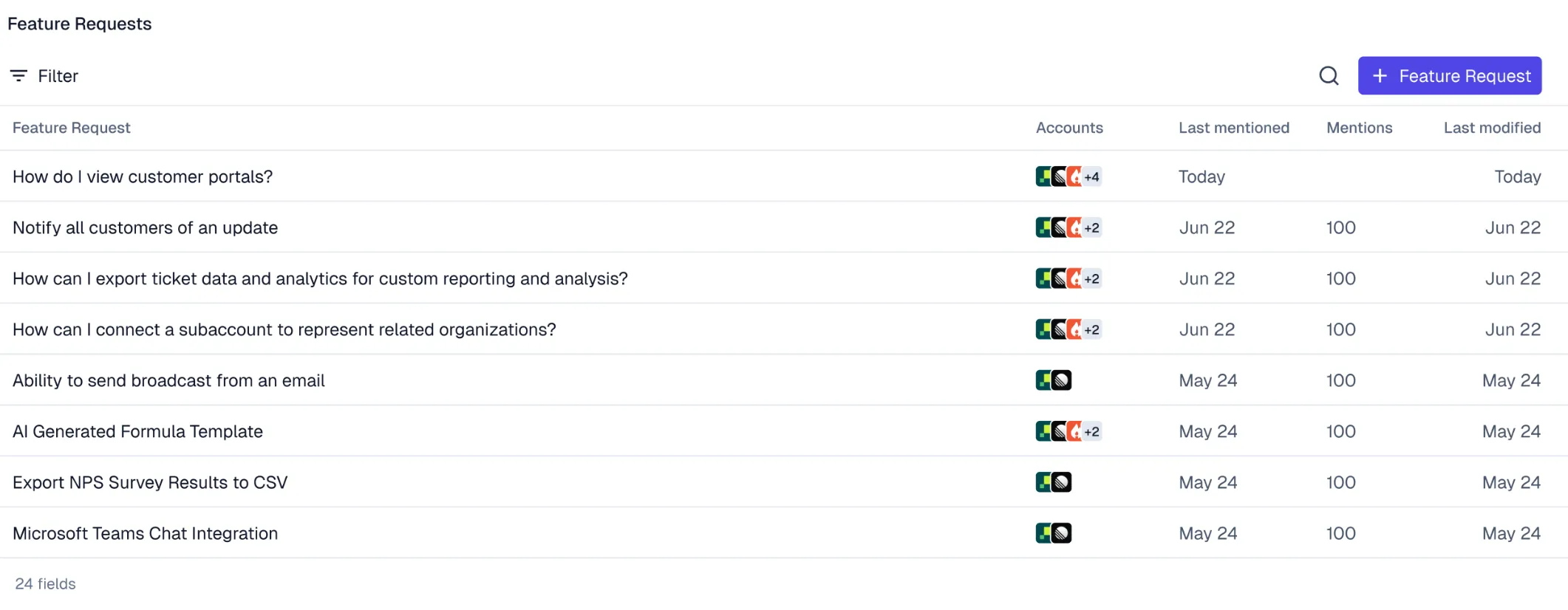
Automatically analyzes all customer interactions to extract and organize customer feedback into clear feature requests for your teams
Native ingestion of Gemini Google Meet call recordings. Like other call recording integrations, all extracted call context flows into Pylon features including account notebooks, AI fields, and more
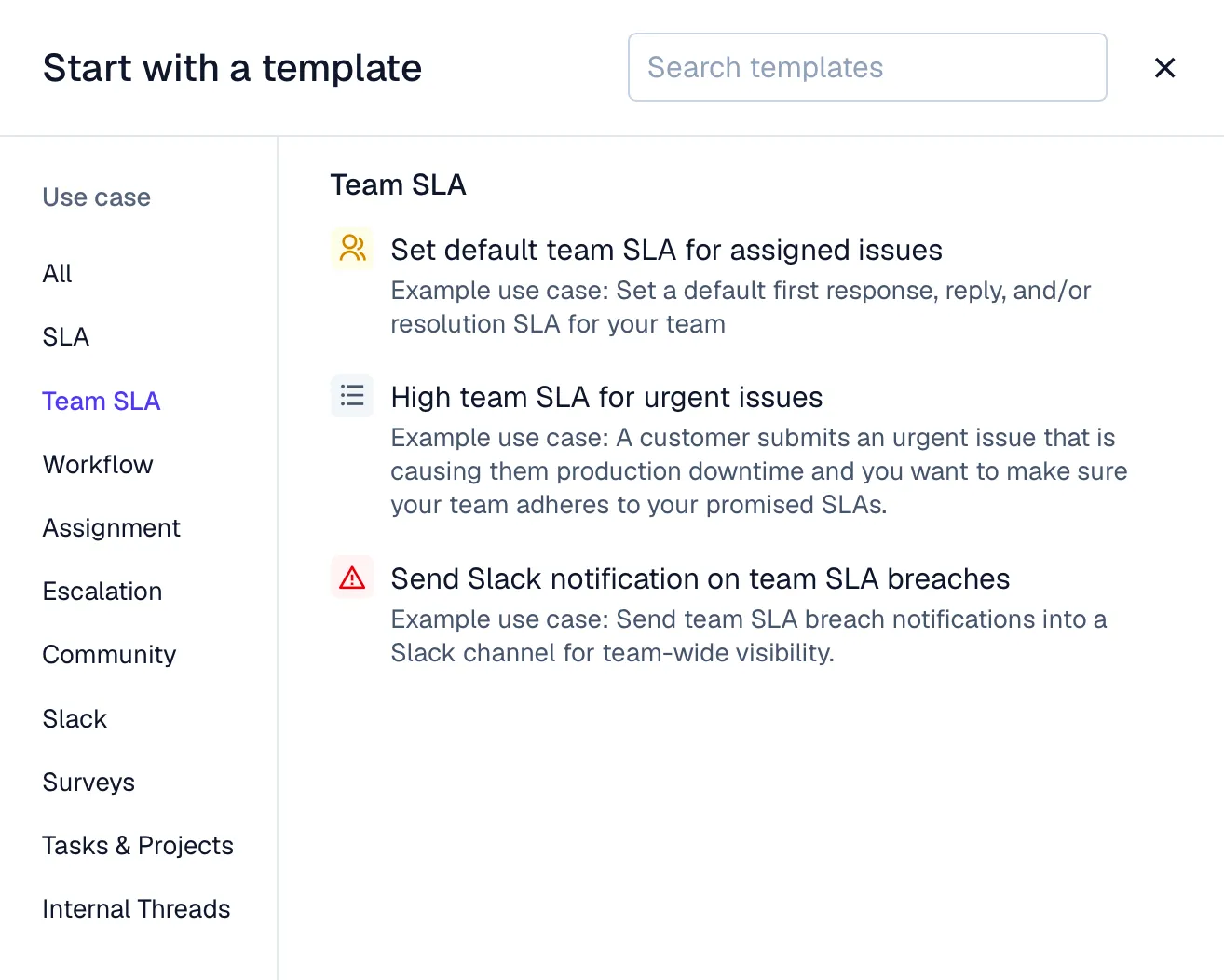
Set SLAs for how long a team is assigned to an issue—these run independently from issue SLAs
PATCH /accounts API allows adding accounts as subaccounts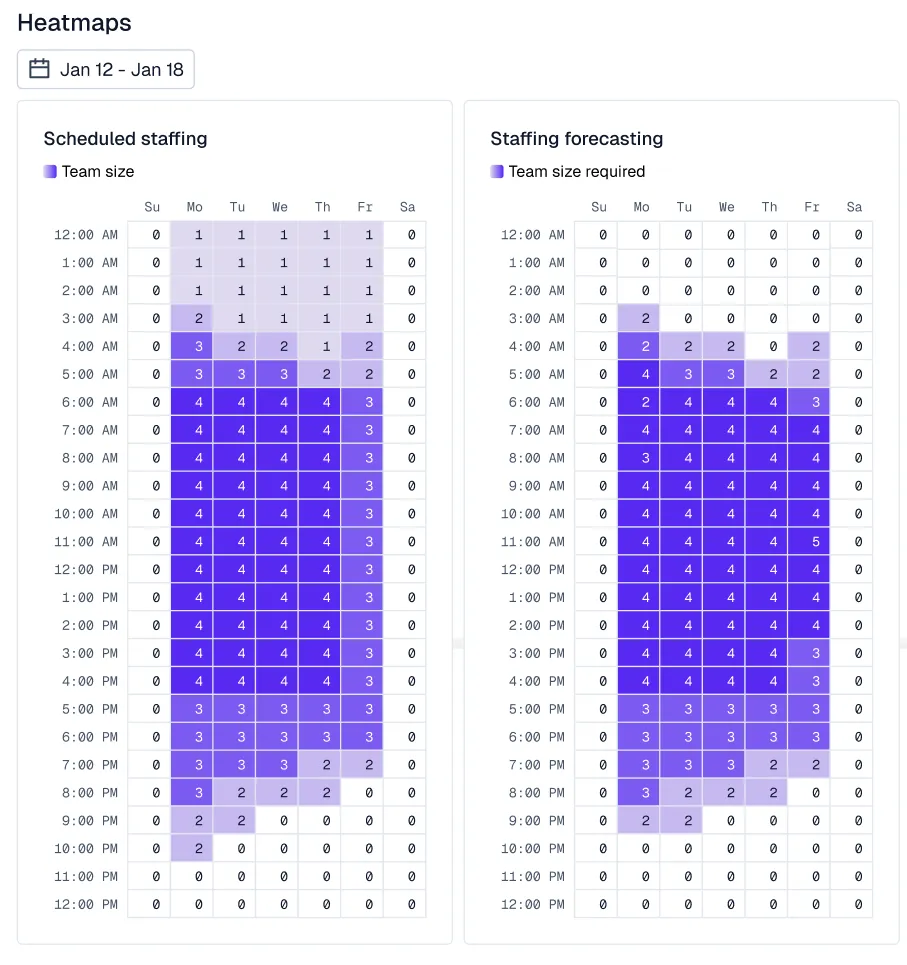
Forecast workload and optimize scheduling using heatmaps of agent activity, handle time, and ticket volume

Similar to issue grouping, accounts can now include subaccounts to represent related organizations, divisions, or subsidiaries
-2.webp)
Agencies or consultants working across multiple customer accounts can now be represented as partner accounts
SCIM allows companies to provision user access to Pylon through their identity provider
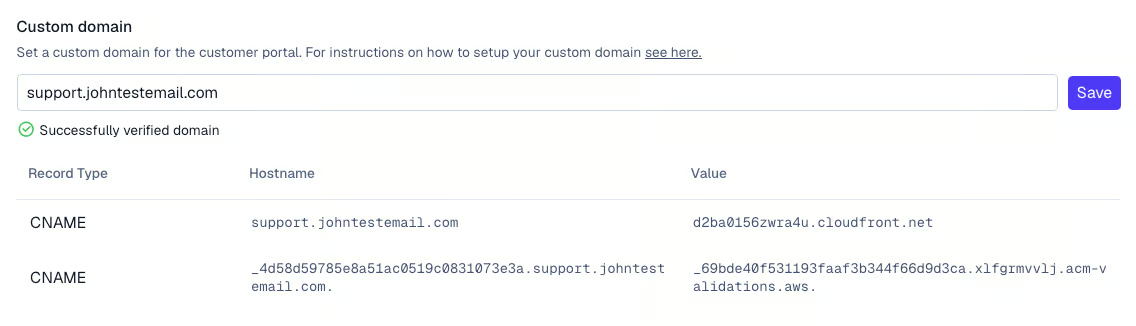
Host your portal on a custom branded domain—e.g., support.acme.com
Contacts linked to multiple accounts can now switch between them directly in the portal—for example, this allows third parties of agencies to view issues on behalf of multiple accounts
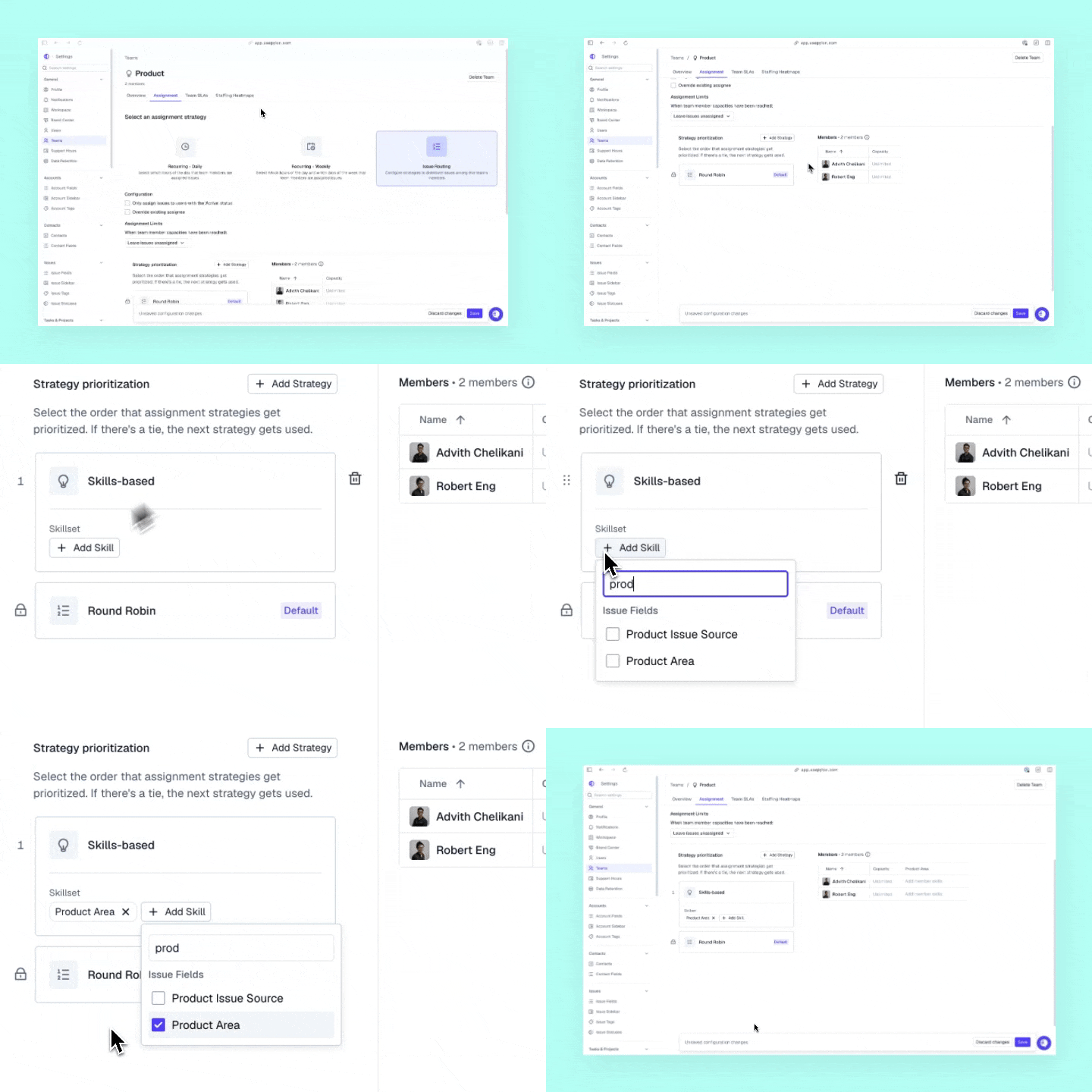
Route issues to team members based on their skillset and current workload
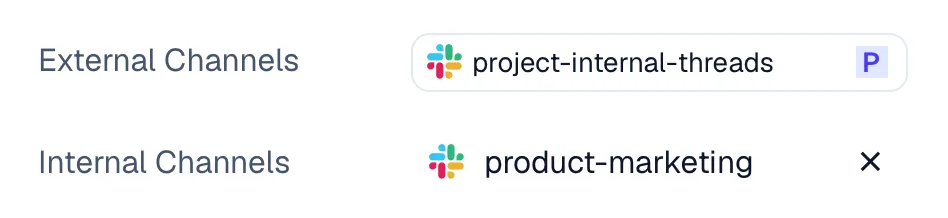
You can now link your internal Slack channels directly to the corresponding customer account in Pylon—like #deal-customer channels used to discuss deal information
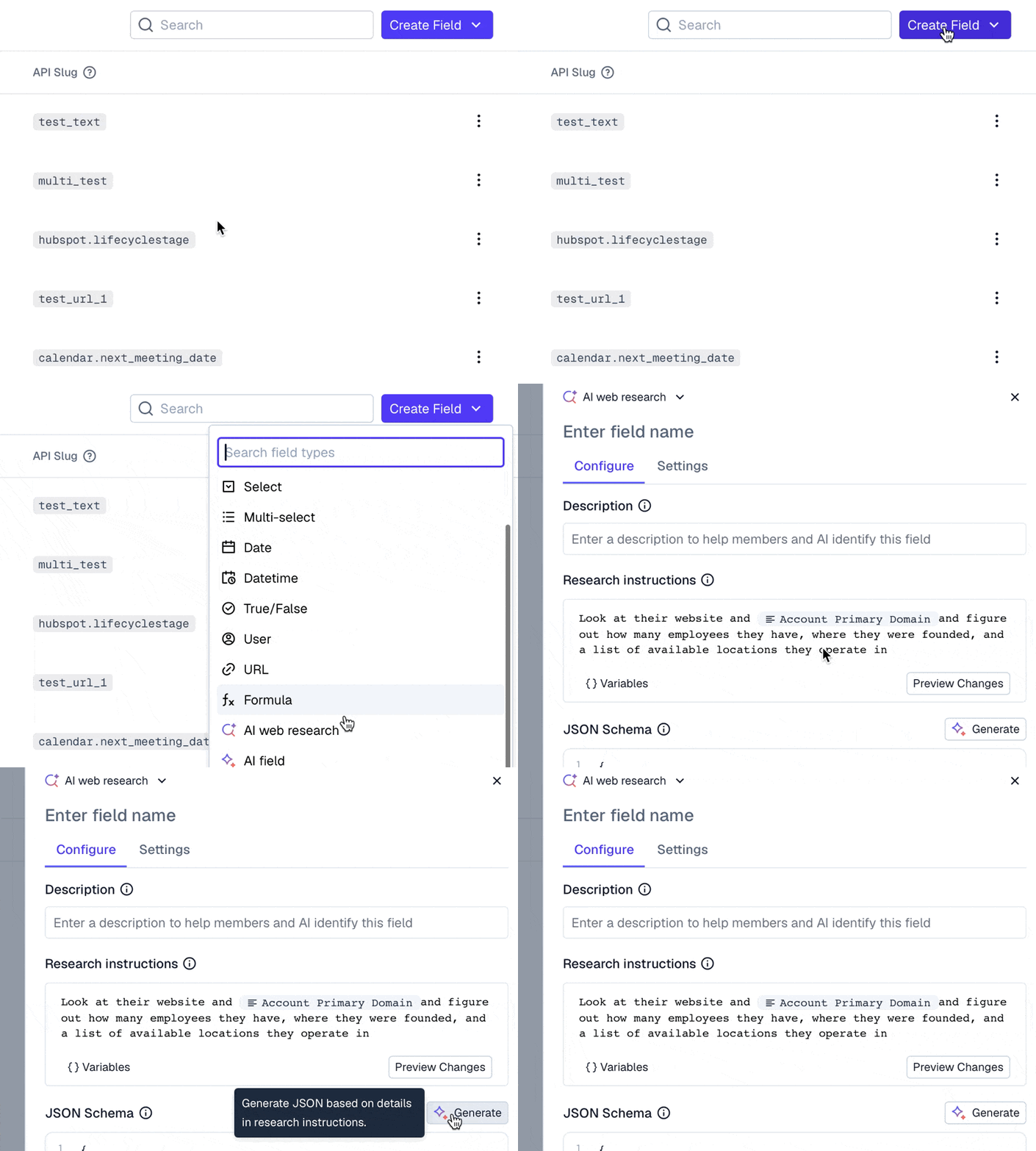
Automatically gather information about your customers from live online sources—including funding rounds, industry news, company press releases, and more.
Automatically detect anomalous patterns in issues. Pylon’s AI scans incoming issues in real-time to detect clusters of similar issues indicating a wider spread problem—like active outages for example.
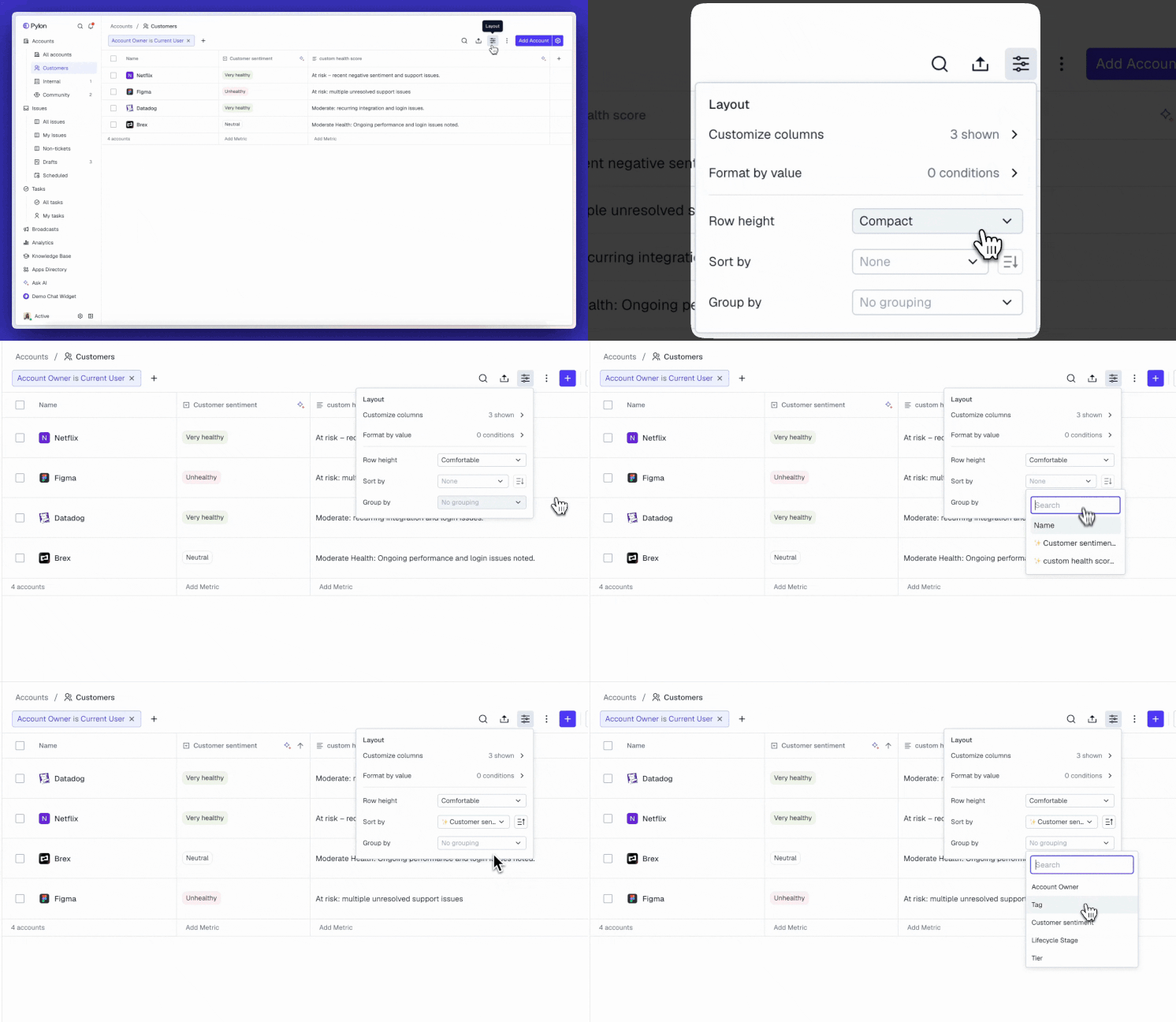
Allow selecting row height, grouping accounts, and choosing sorting dimensions in account views. Visualize accounts by groups of account owner, tier, product purchased, and more.
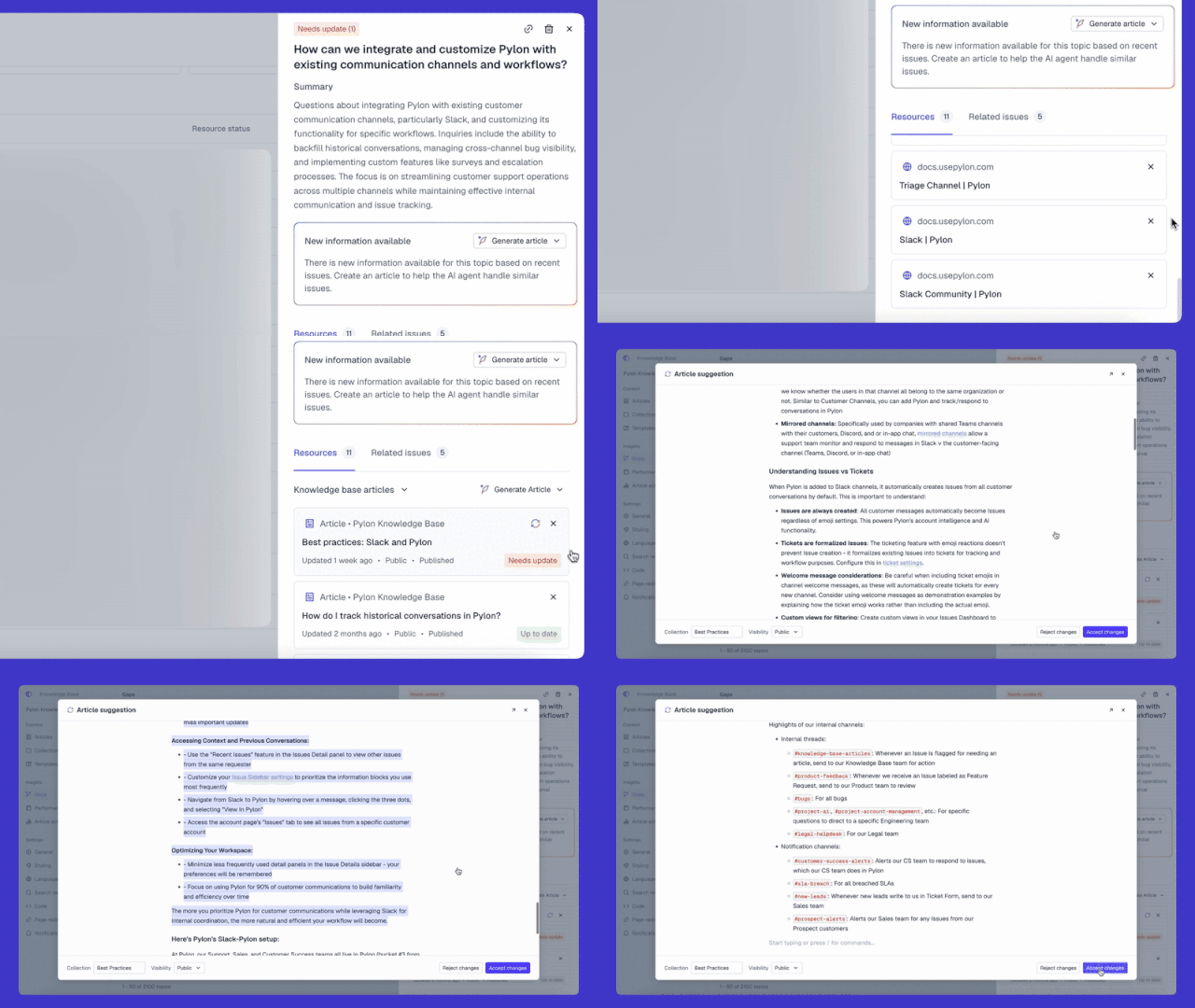
AI will now flag documentation that needs updates and draft suggested edits for you automatically.
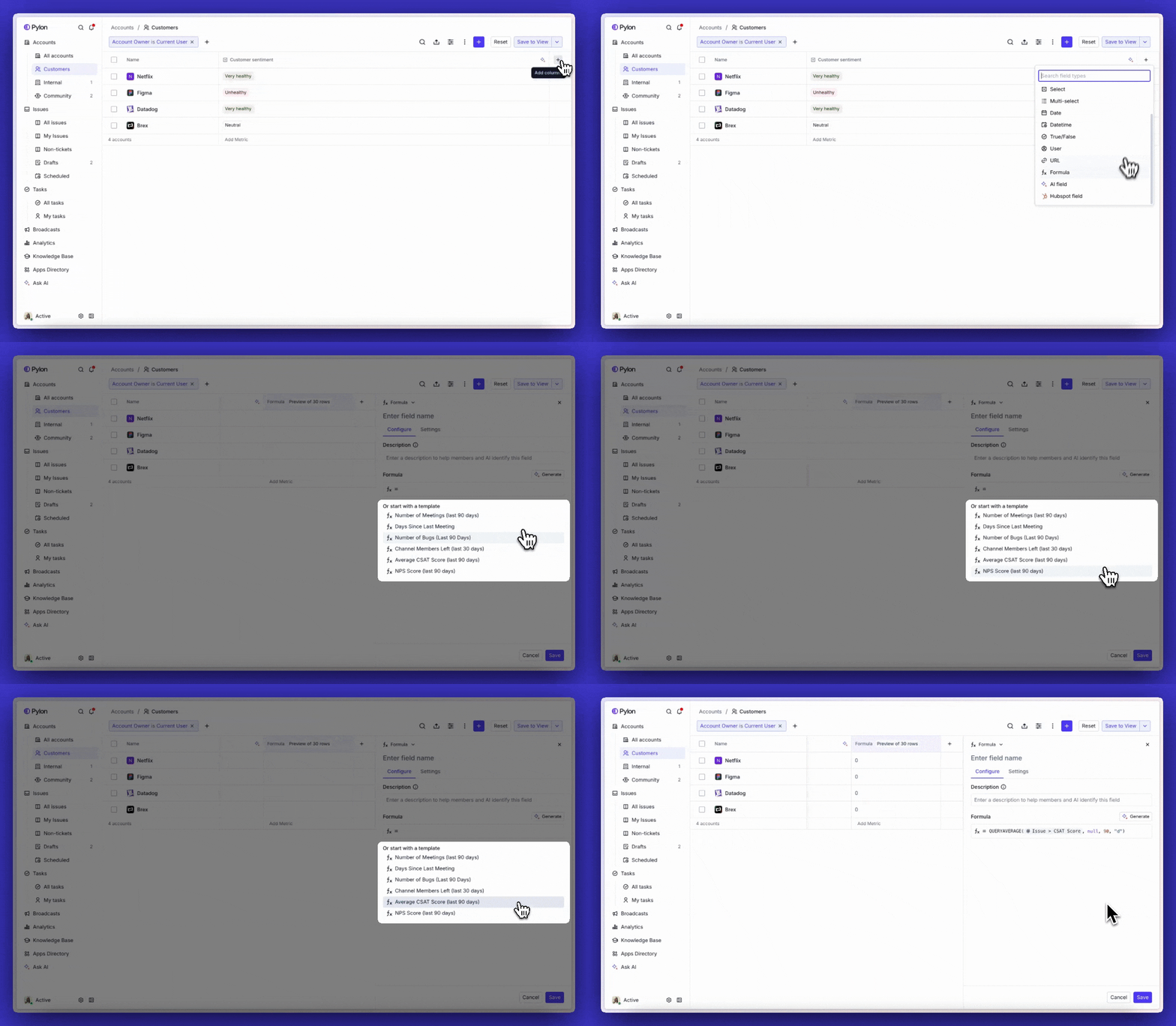
• Out of the box recommendations for helpful account intelligence formulas.
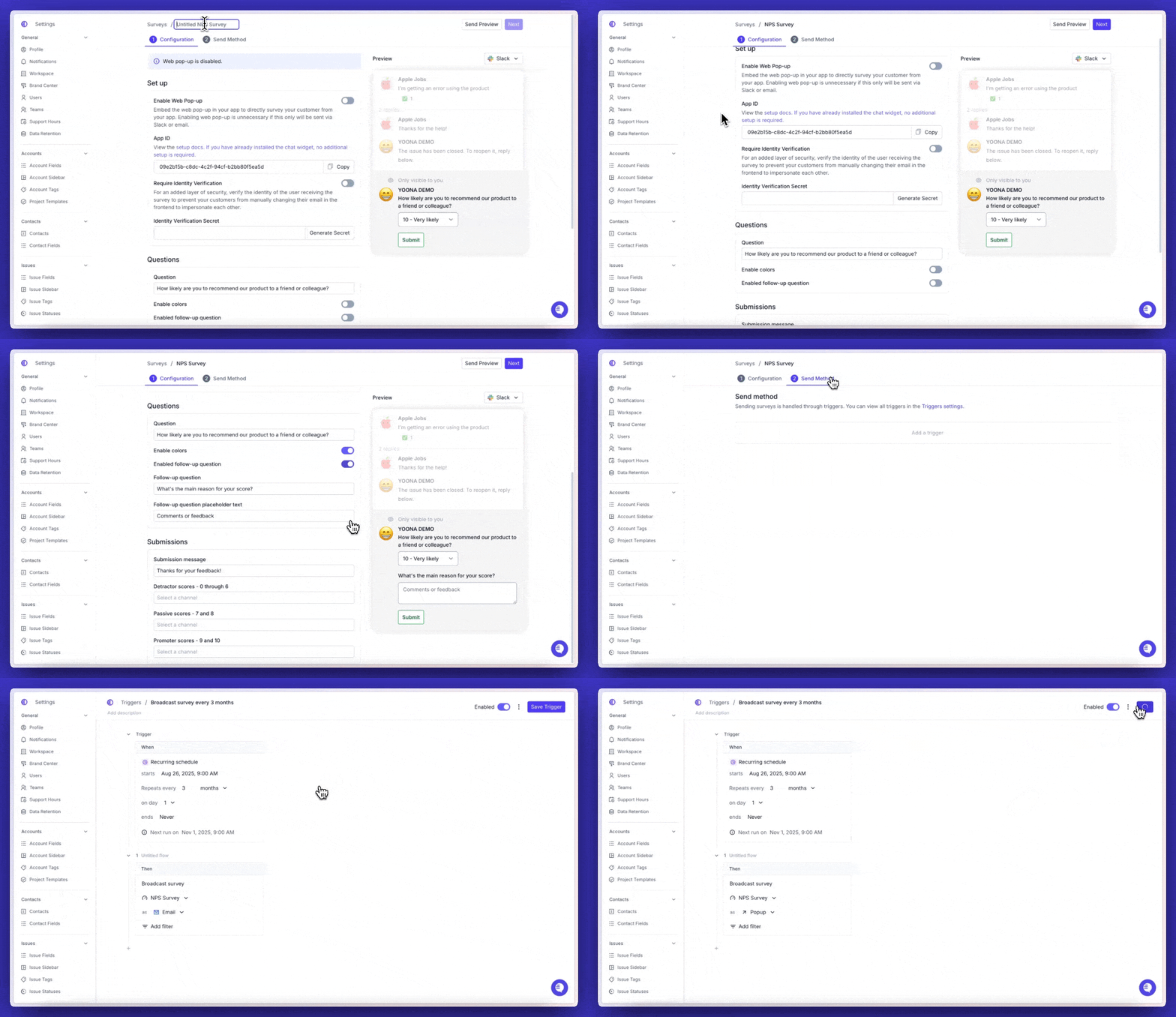
• Create and send out NPS surveys to customers across channels like email, chat, and Slack
• See out-of-the-box analytics or rollup survey results using formulas, for example for account-level NPS
• Send generic surveys to collect ratings and feedback on specific features or products
Turn valuable signals scattered across your customer conversations into actionable insights.
Here's how Account Intelligence works for you:
• AI Fields 📊: Tell AI what to track in each account—pull insights from customer and internal conversations, CRM, product data, and more.
• AI Notebooks 📓: Get instant context on any customer with customizable AI blocks that surface the full story behind every field.
• Formulas + Formula Copilot 🧮: Build custom formulas by describing what you want in plain English, like health scores combining sentiment and engagement.
• Projects & Tasks 📌: Organize action items into structured projects with AI-generated tasks and project templates that both you and your customers can track.
• AI Call Followups 📞: Extract action items from call recordings and turn them into trackable tasks for you and your customers.

Connect Microsoft Teams to Pylon to track issues and respond to messages all in one place.

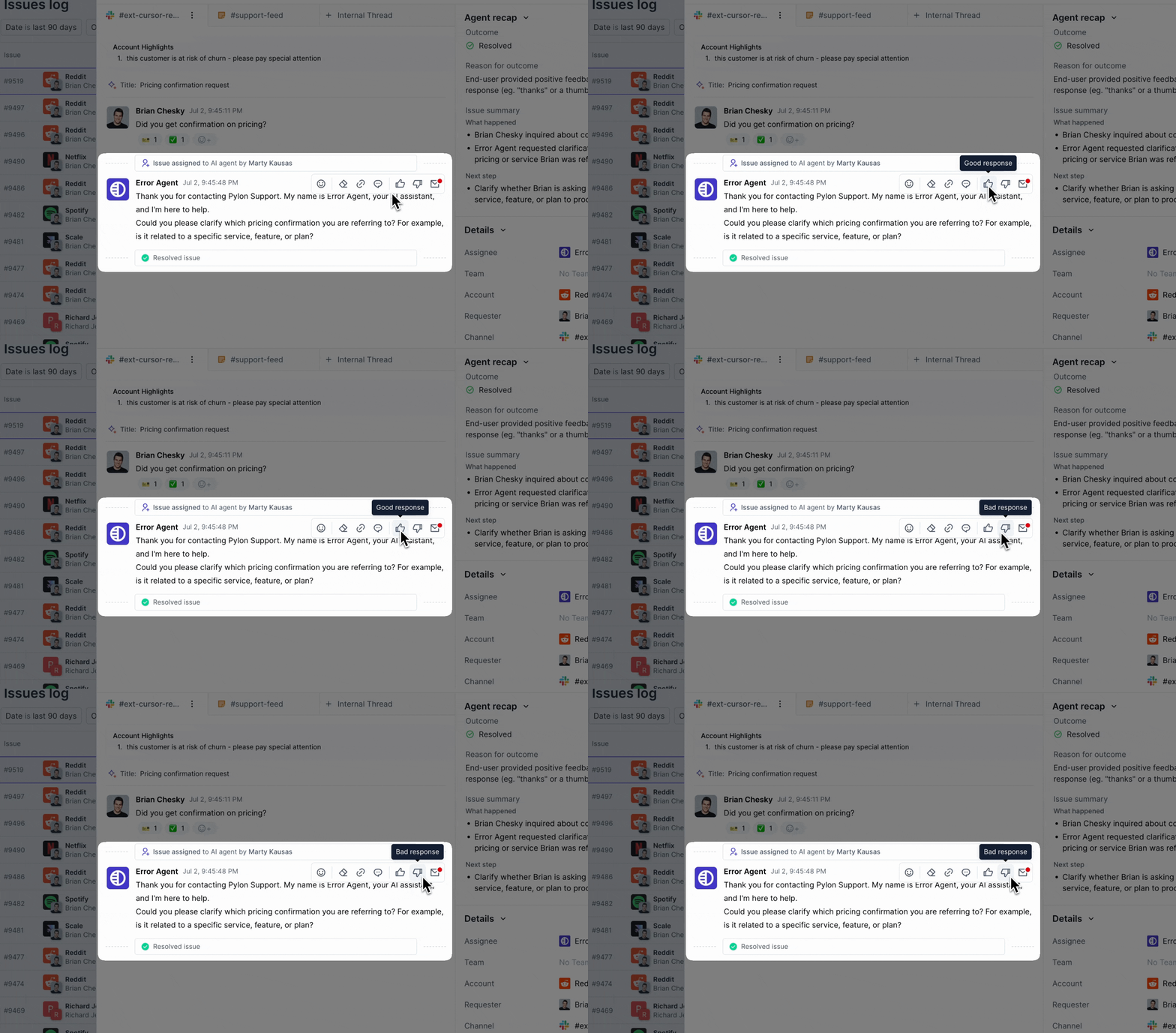
• AI Agents can be enabled in QA mode, where they will post internal notes instead of responding to customer issues, allowing you to review responses.
• QA mode generates issue logs that include which sources the AI Agent used in answering questions

New palette of keyboard shortcuts accessible across the app, including quick navigation to specific pages or quickly searching for certain objects.

• Write runbooks that both humans and AI Agents can execute.
• AI Issue Suggestions will suggest when a runbook is applicable, and a team member can click the runbook to directly execute it.

• Team members can connect their Google or Outlook calendars for customer meetings to automatically feed into Pylon.
• Two new default fields: Last Meeting Date and Next Meeting Date that stay updated across all accounts, allowing you to create views for those you haven’t met with, or use the fields in account notebooks.

• Runbooks: Step-based natural language instruction manuals to specify how the Agent should operate in specific scenarios. Includes the ability for the Agent to take actions within Pylon or custom actions via API.
• End-to-end analytics on the agent funnel, including assign rate, response rate, resolution rate, etc.
• Advanced testing and debugging capabilities including backtesting your AI agent on old issues, stepping through agent execution of a runbook with a debugger, and inspecting agent performance on specific issues with reasoning.
• Granular control of training data, including removing specific pages from a web scrape.

Triggers now feature a pwoerful canvas-style builder that allows you to:
• Branch logic using "If" and "Else If"
• Add multiple kickoff conditions
• Stack time delays
• Title different branches
• Disable specific conditions
• Use AI filters to intelligently route issues
Learn more about how to use triggers here.
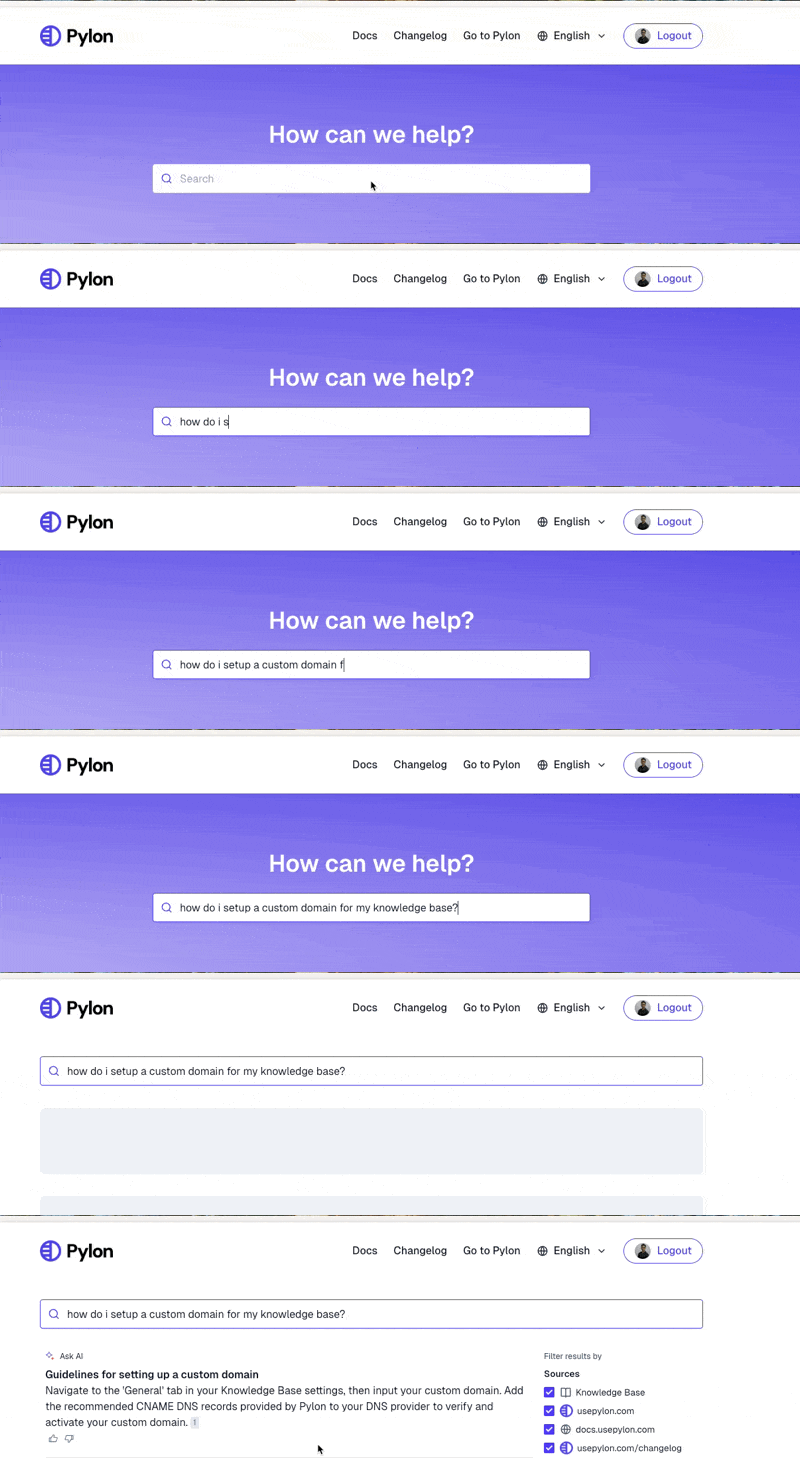
Get a synthesized answer with a citation as the top result when searching questions in the knowledge base.
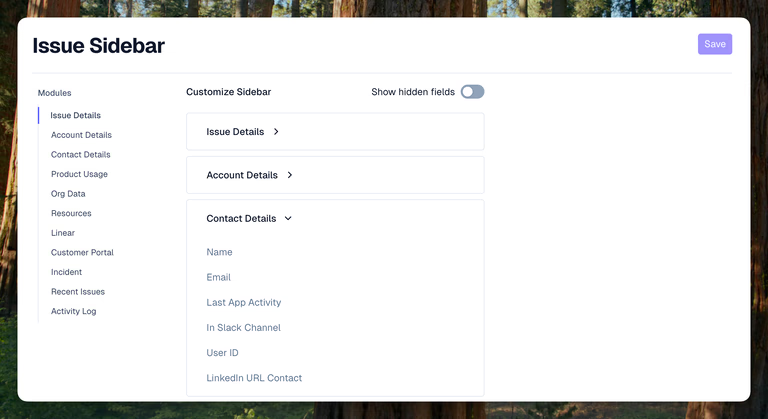
Change the ordering and visibility of fields and modules on the issue and account sidebar. Learn more here.
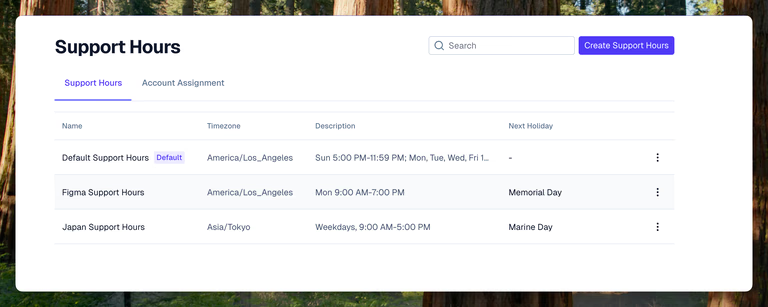
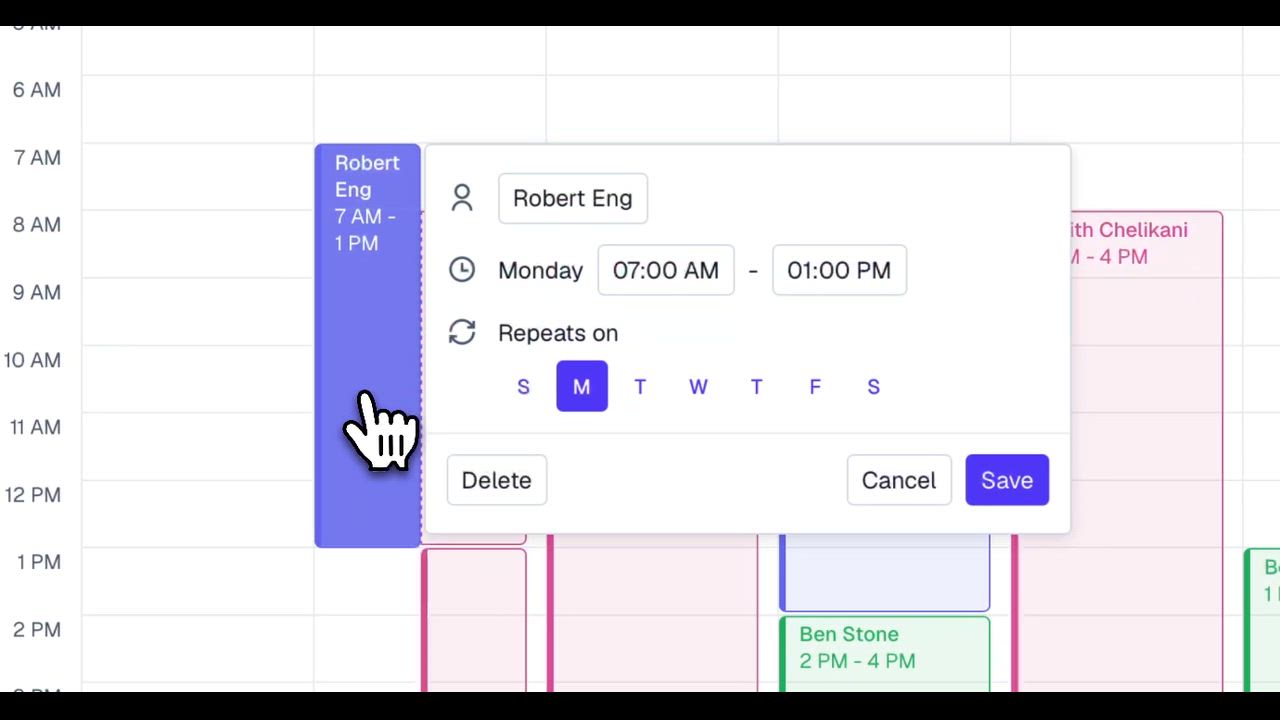
Create support hour schedules with default or custom holiday settings and assign them to specific customers.
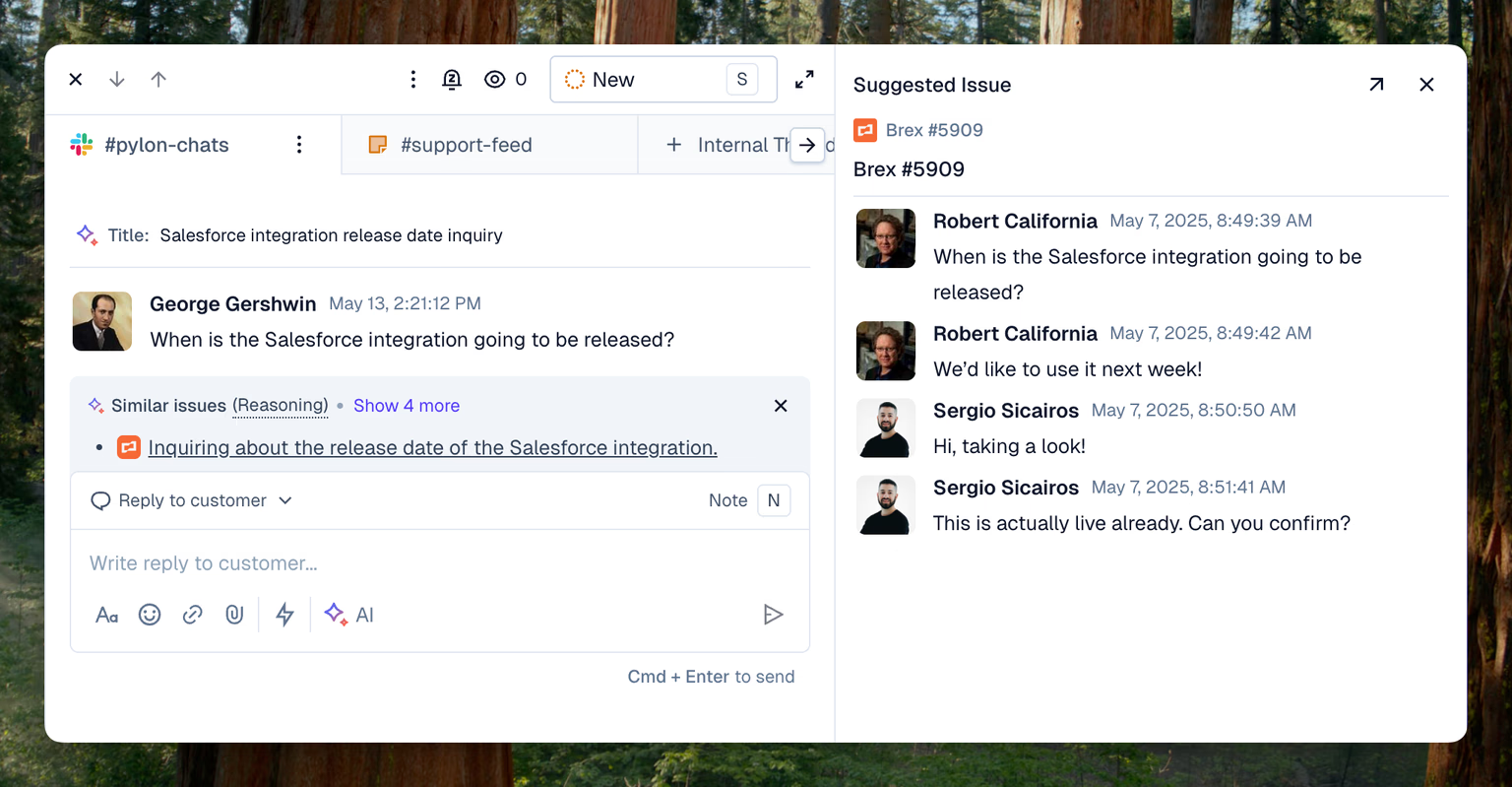
See recommendations above the message editor for similar issues or documentation that may help you solve the current issue.
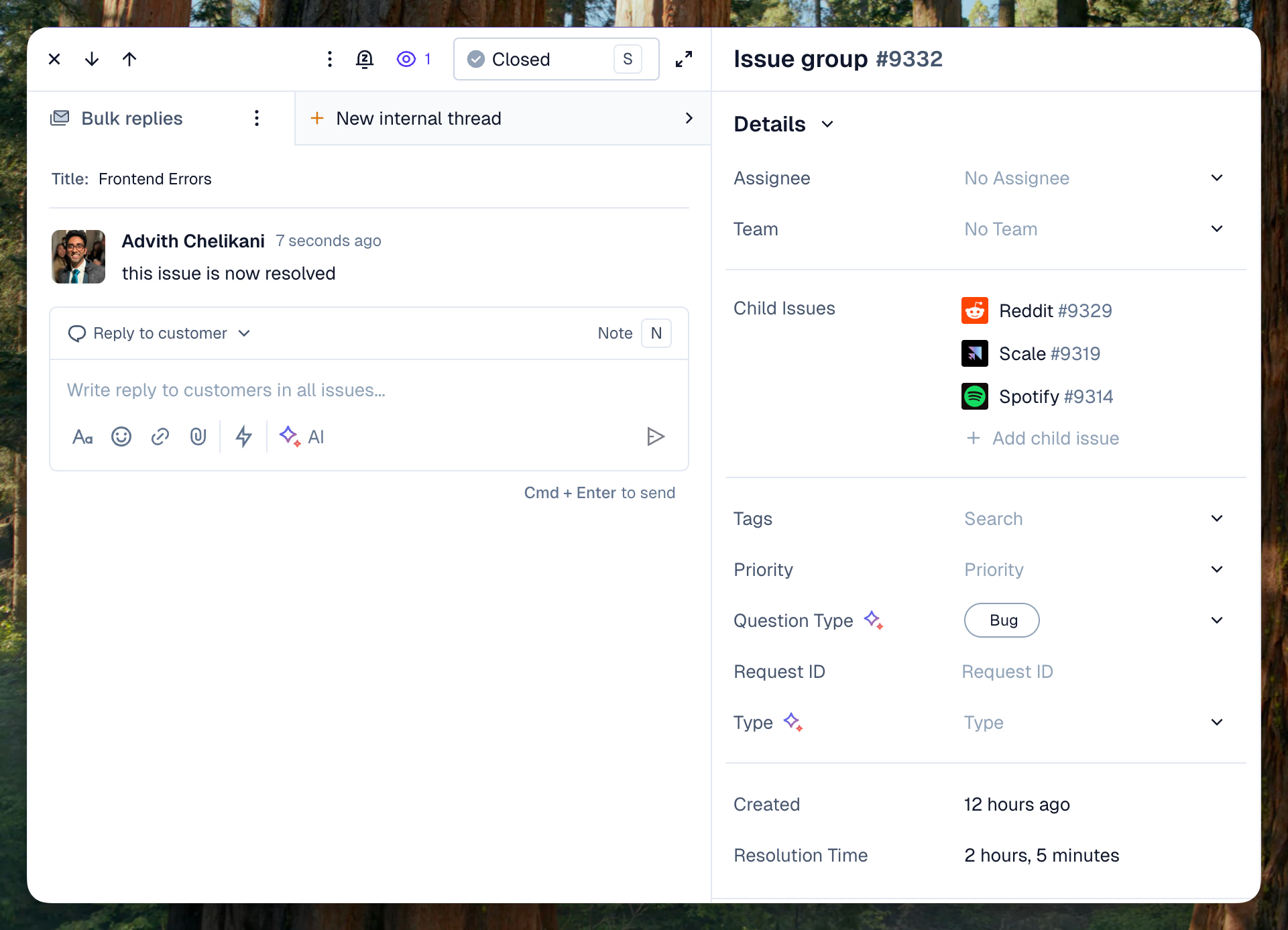
Introducing parent-child relationships between issues and a new interface to manage parent issues. Learn more here.
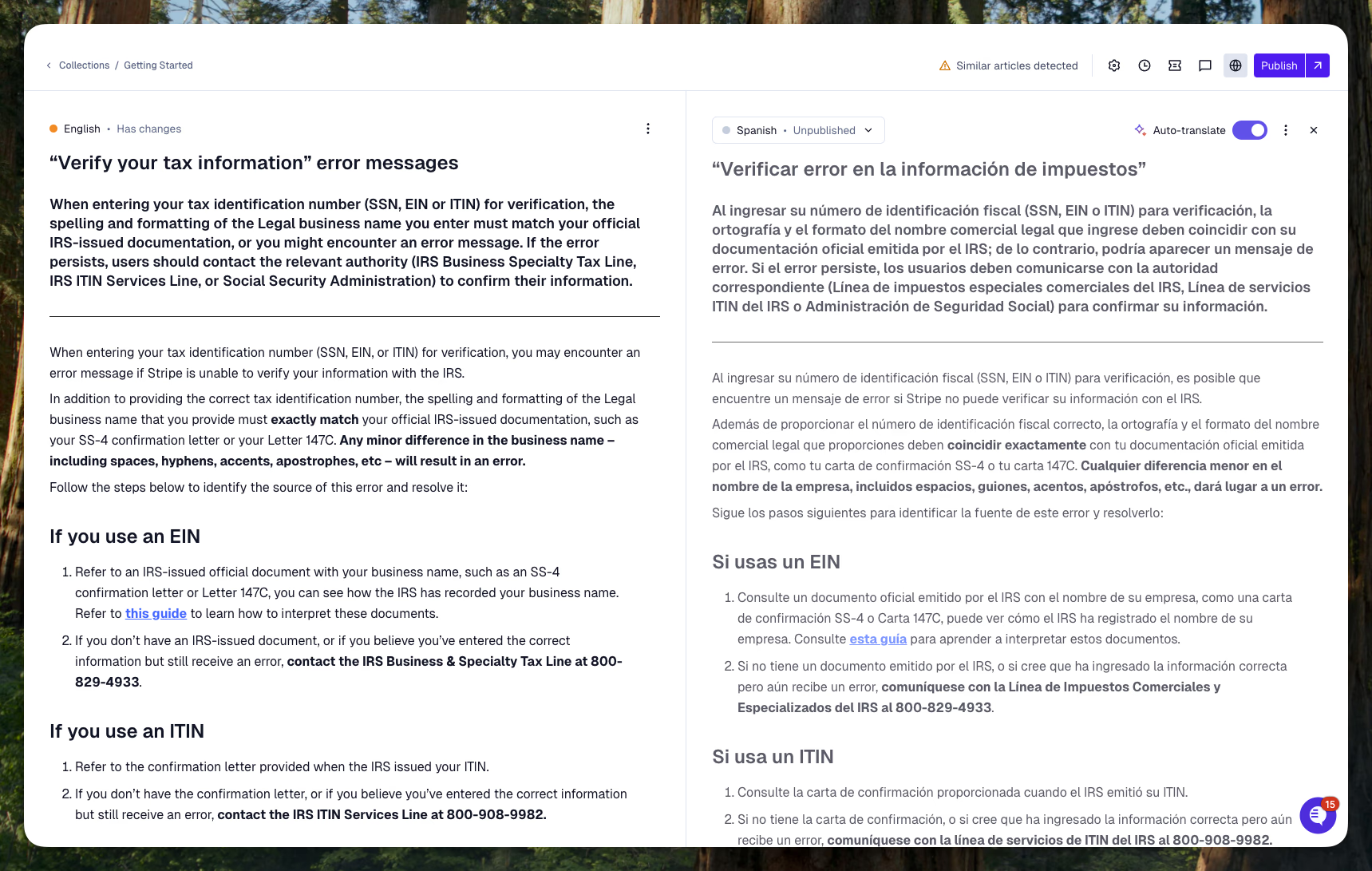
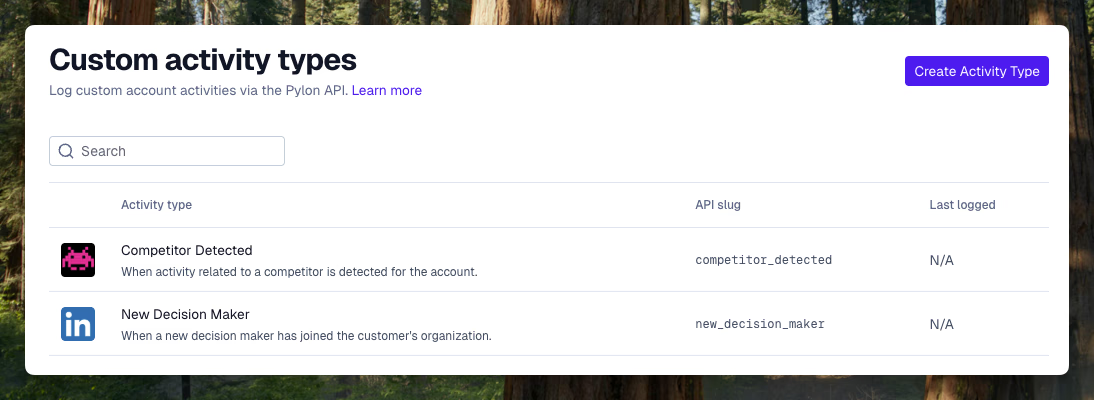
Learn more here
• Create custom account activity types like "New Champion Detected"
• Write activities to accounts directly via the API from other tools or your product

issue.created_at and issue.resolution_time.
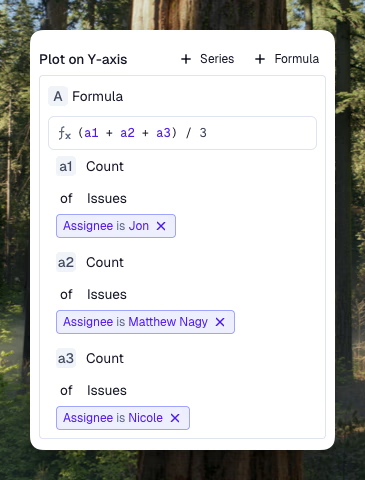
current_user.account.crm_account_id.We’re launching Account Management: One place to see, manage, and share customer context—so you can support customers proactively, not just reactively.
• Plug in data from customer calls in addition to async communication from email, in-app chat, Slack, Microsoft Teams, Discord, etc. and CRM data that Pylon already has access to.
• Use notebooks to iterate on blocks of information you want AI to surface for different use cases, or add blocks like analytics graphs, engineering issues, or other custom data.
• Ask questions about accounts to pull up information you need—right when you need it.
• Pass context across customer success, sales, and support so everyone is on the same page when working with customers.
• View the most recent activity like champions leaving/joining, recent calls, and custom events.

issue.last_message.author.name.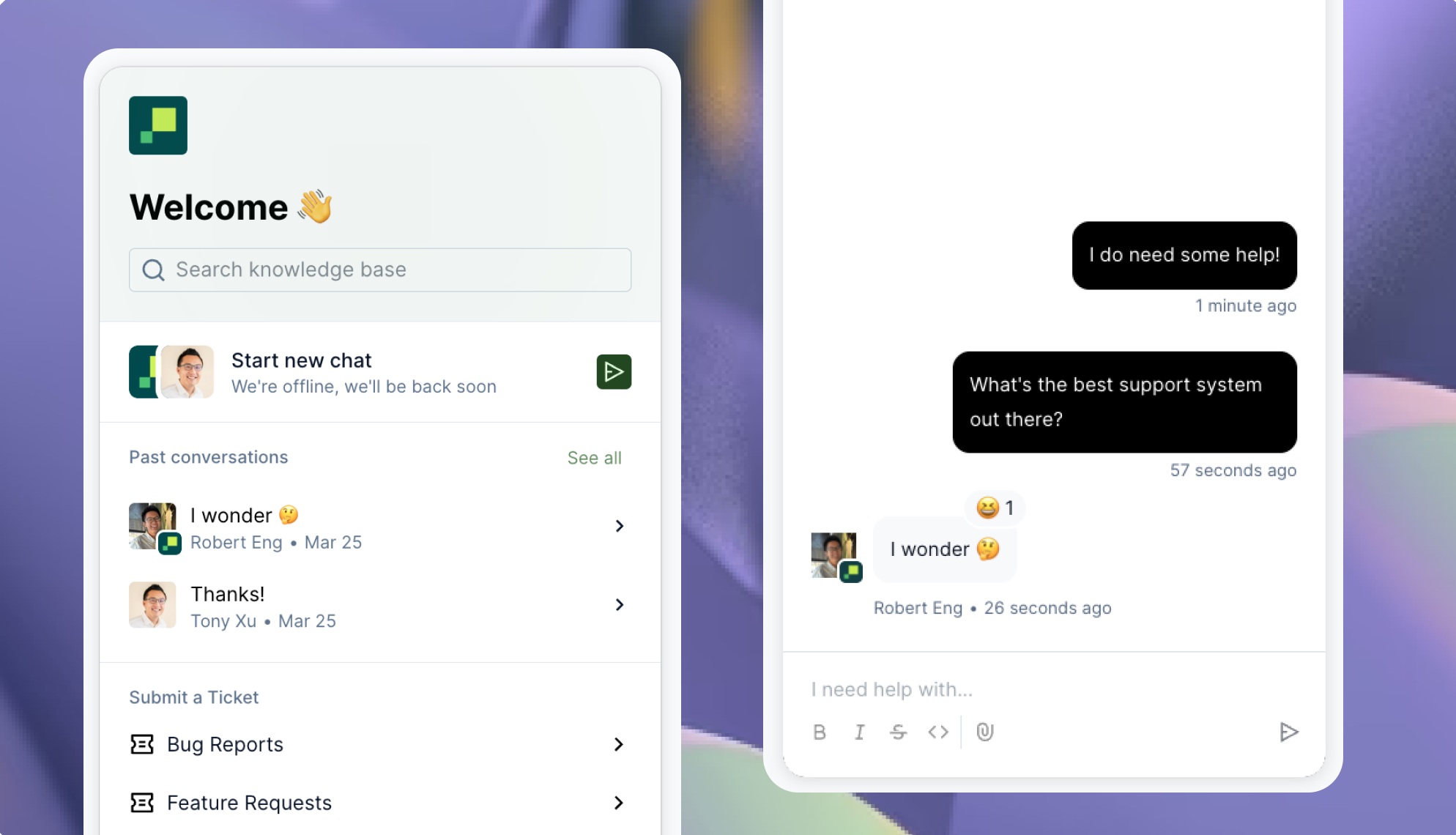
• New and greatly polished chat experience for your users.
• Improved chat configuration experience.
account.domains.
• Automatically translate incoming customer messages into your native language.
• Write replies in your native language, and they'll be sent to your customer in theirs.
actor (the user executing the macro).
Total end-to-end revamp of analytics featuring significantly improved UX and functionality.
• Huge improvements to UX and ease of chart building.
• Custom dashboards and charts with resizing, drag & drop, and more.
• Complete set of filters on the dashboard and chart level.
• Preview chart data in tables below the chart.
• Fullscreen, print, and share charts and dashboards.
• Drilldowns to click into graphs and see individual data points.
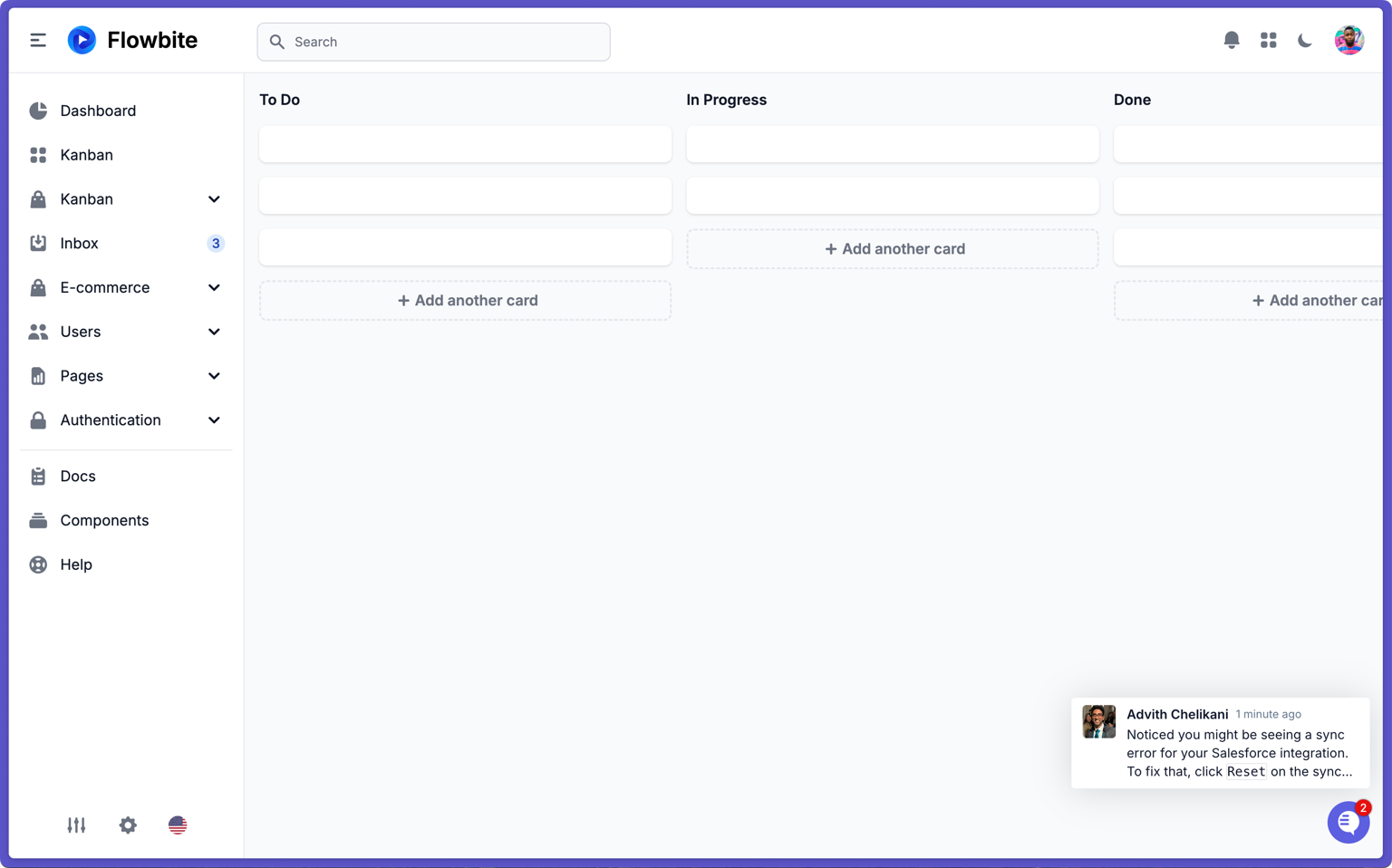
• Open up proactive issues with specific users in your app to notify them or offer help.
• Available via creating a new issue in the Pylon dashboard or via API!

• New spreadsheet view for accounts: Quickly edit cells inline, bulk select to take action
• Create, hide, reorder, and share views: Now all visible from your navbar
• Flexible columns: Customize, reorder, and change width of columns
• Export account lists to CSV
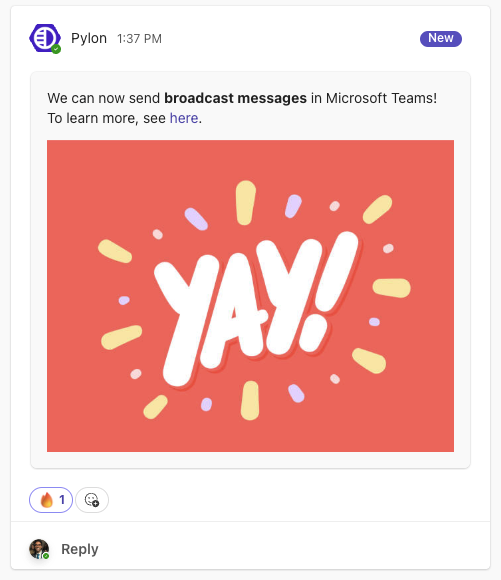
Complete with rich text formatting, images, and engagement tracking!
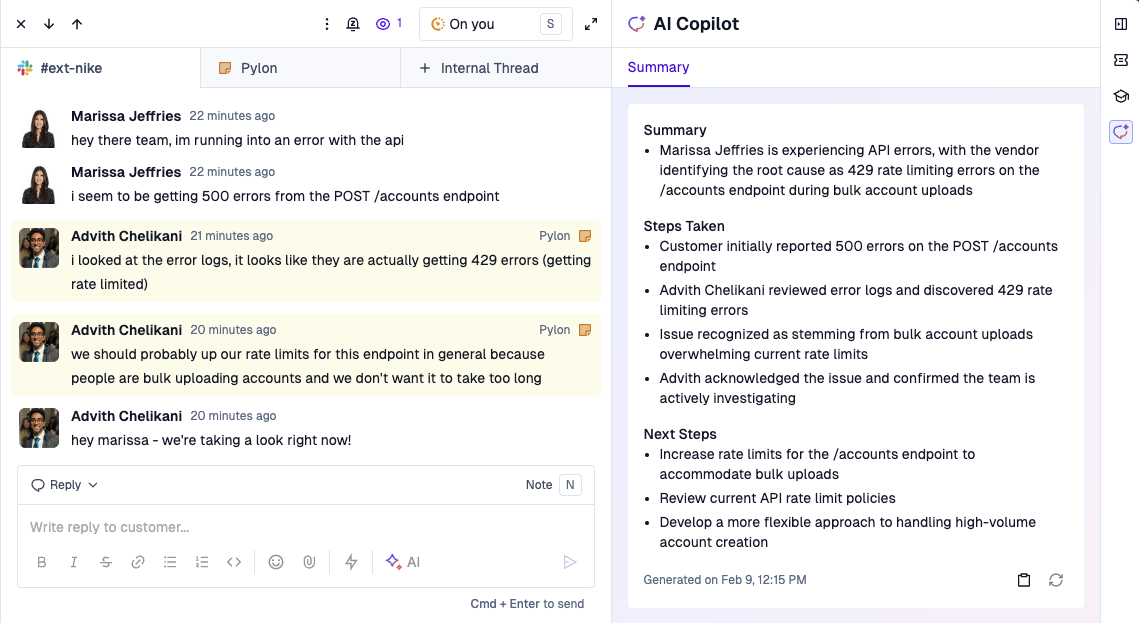
Always up-to-date issue summaries in our new AI Copilot tab 👀 Use summaries for passing off context on complex tickets (especially through timezones), reviewing tickets easily, and sharing out key information with the broader team!

Click into graphs to see individual data points!

Now with a greatly improved UX, using the filters you know and love from across Pylon. Stay tuned for improvements to more improvements to custom dashboards!

Send replies or notes at a scheduled time in the future when you know your customers or teammates will be online. Learn more here.
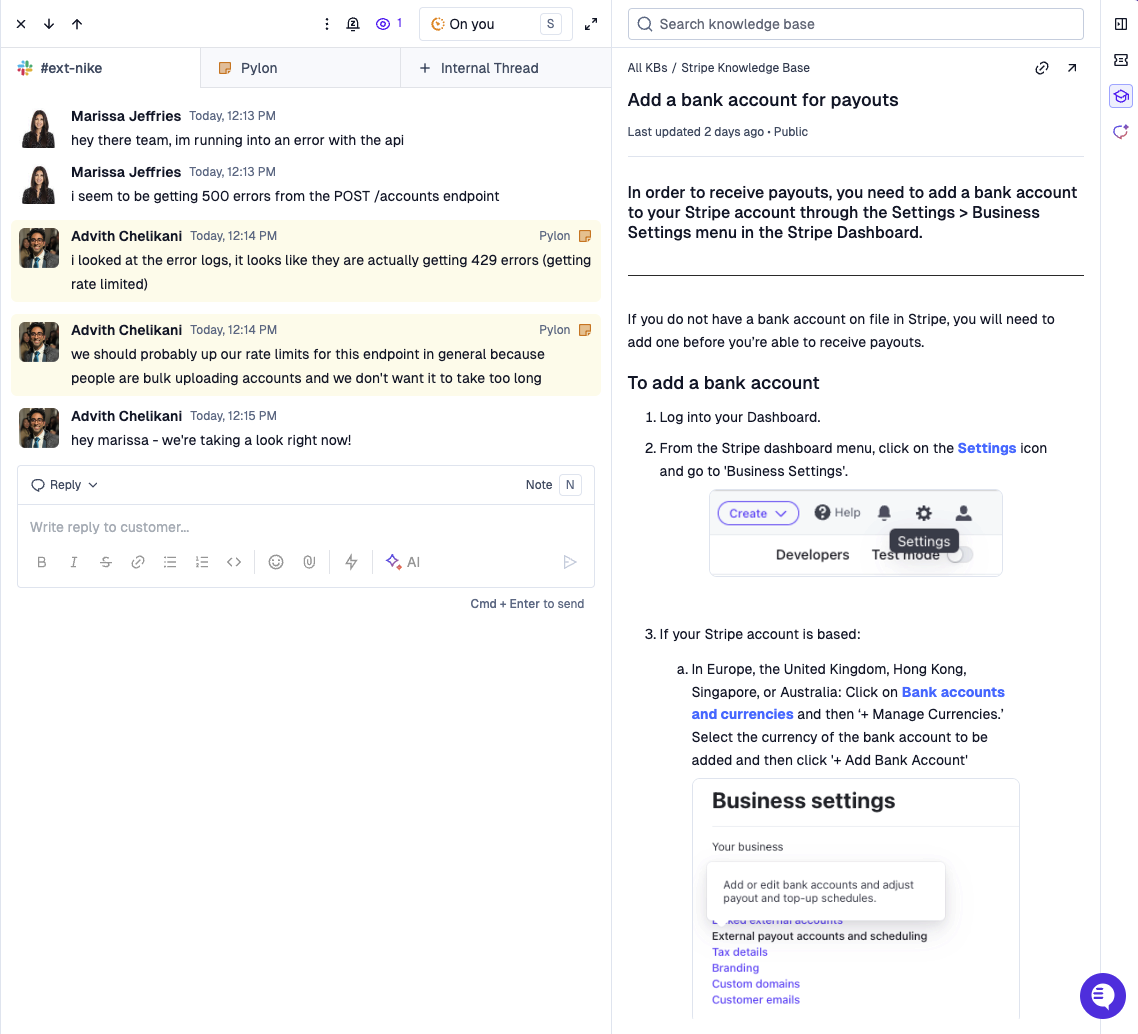
View and send links to knowledge base articles directly from the issue view. Click the "Knowledge Base" icon on the right sidebar to toggle!
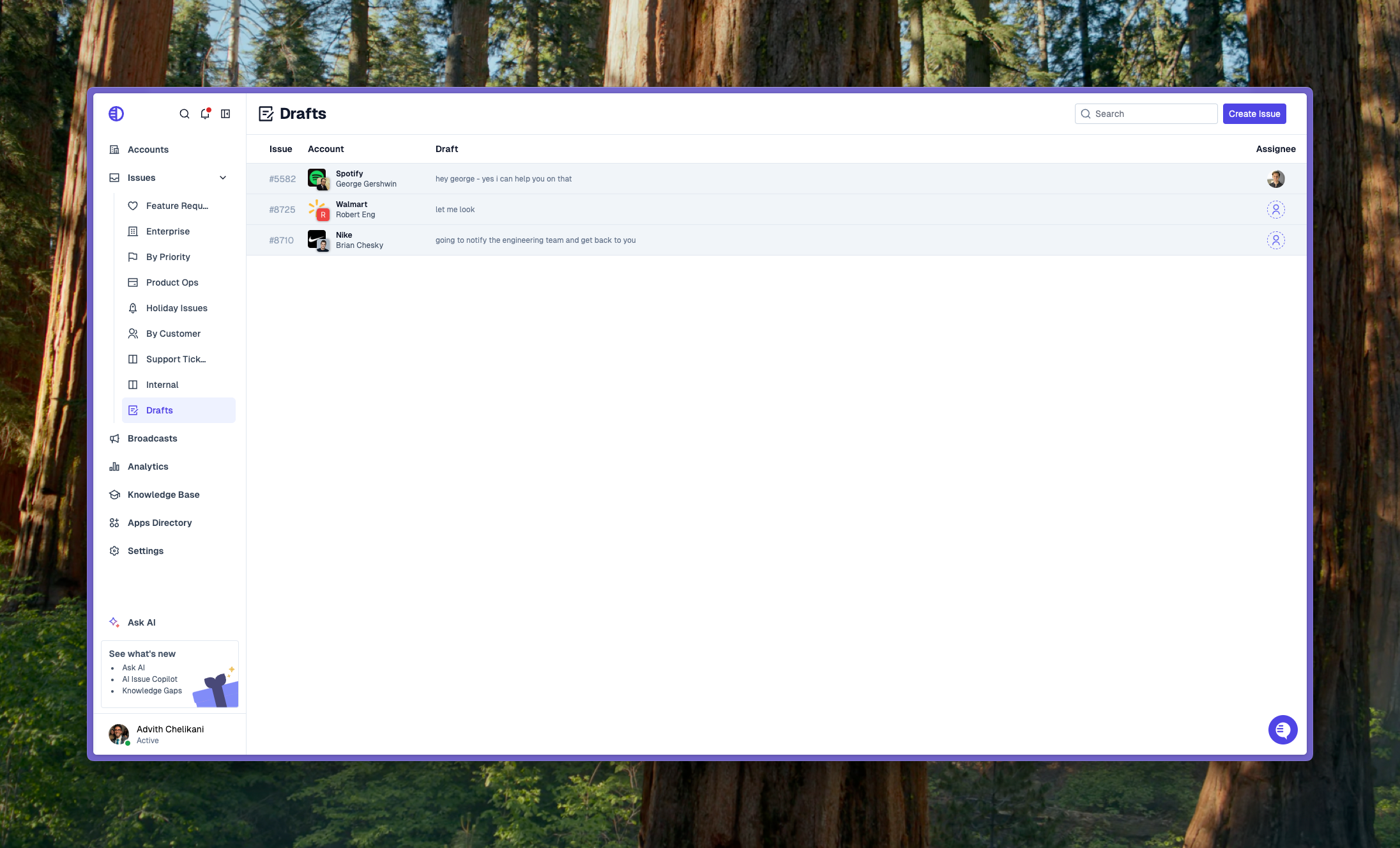
View and manage all your draft messages in one place!
account_id to associate issues with specific accounts.account_external_id to force association of issues with a certain account using your internal customer identifiers.last_message template variable added.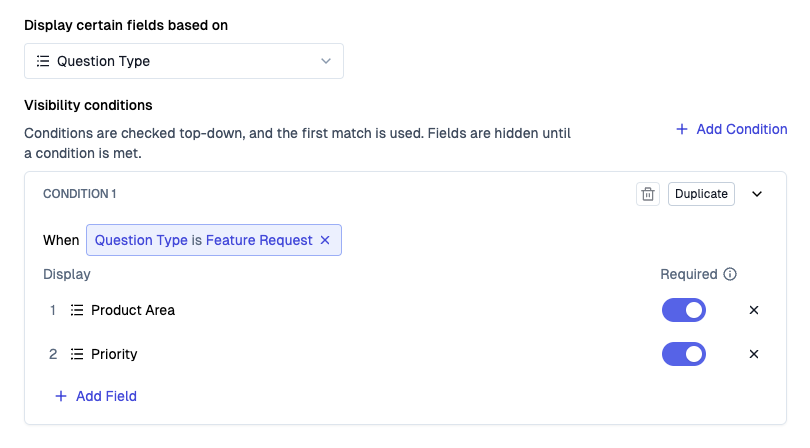
• Set visibility conditions on issue fields, such as showing a set of fields when the issue is a feature request.
• Set requirements on issue fields, such as requiring a field to be filled out when closing an issue.
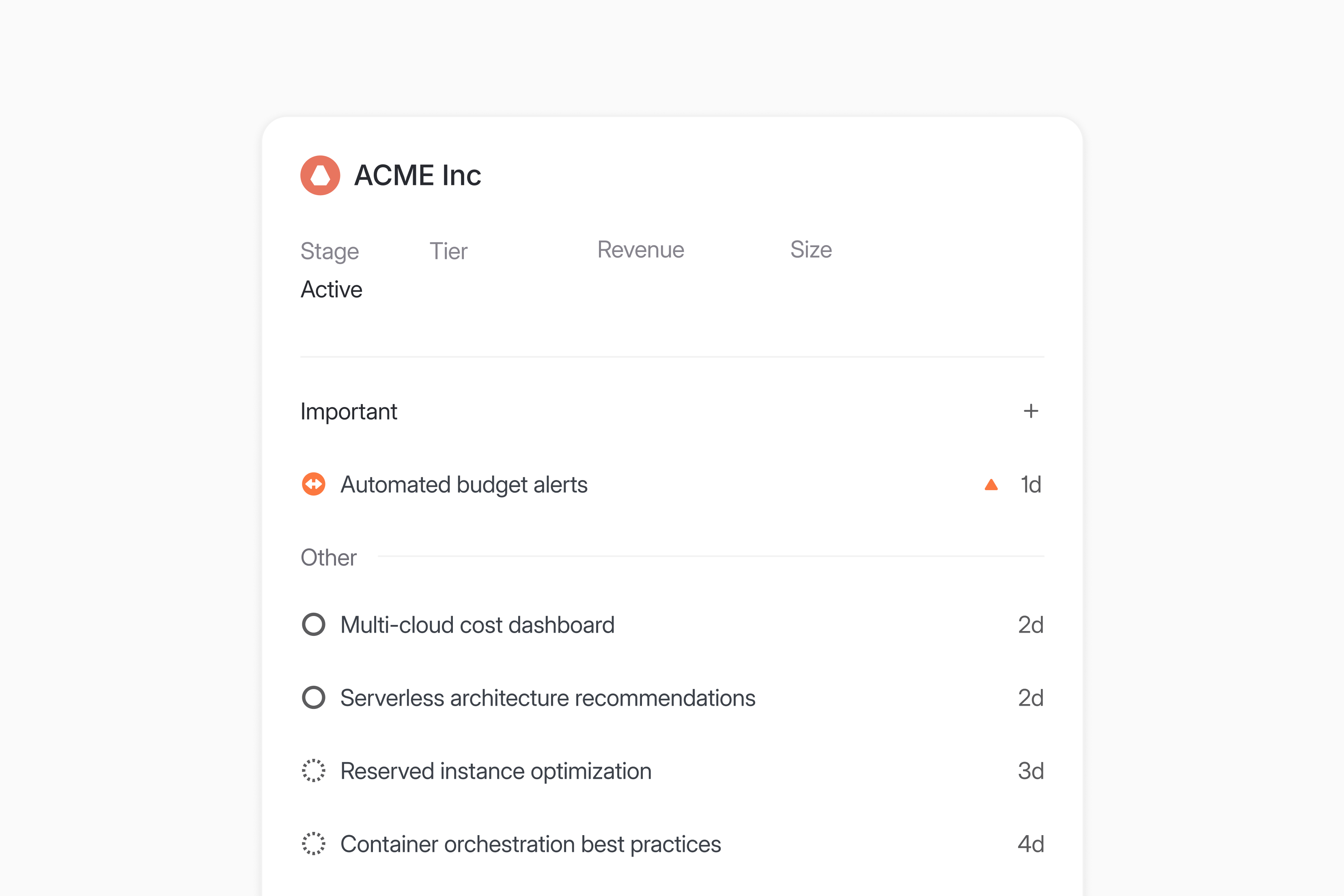
Create customer requests in Linear from Pylon issues. Learn more here.
One of Pylon's most powerful features yet. Ask open-ended questions about your data. Learn more here.
• See citations for answers to your questions, past search history, and share searches with team members.
• Use this for product feedback aggregation, feature discovery, support trends, team member onboarding, customer sentiment, account summaries, and much more!