
A ticketing system helps support teams manage customer requests from start to finish. It converts emails, live chat, and Slack messages into tickets that you can track in a central place.
These tools help your company move past cluttered inboxes and scattered spreadsheets. Ticketing systems use omnichannel integration and automation to help teams stay organized, maintain smooth workflows, and provide better customer support.
In this article, we’ll explore what a ticketing system is, how it helps support teams manage their work, and what kind of ticketing system makes sense for your needs.
Ticketing software takes customer requests and automatically creates support tickets, digital records that log issues. This lets people track customer problems, share information with teammates, and clearly see who’s responsible for the next step.
Here are the most important components of a modern ticketing system:
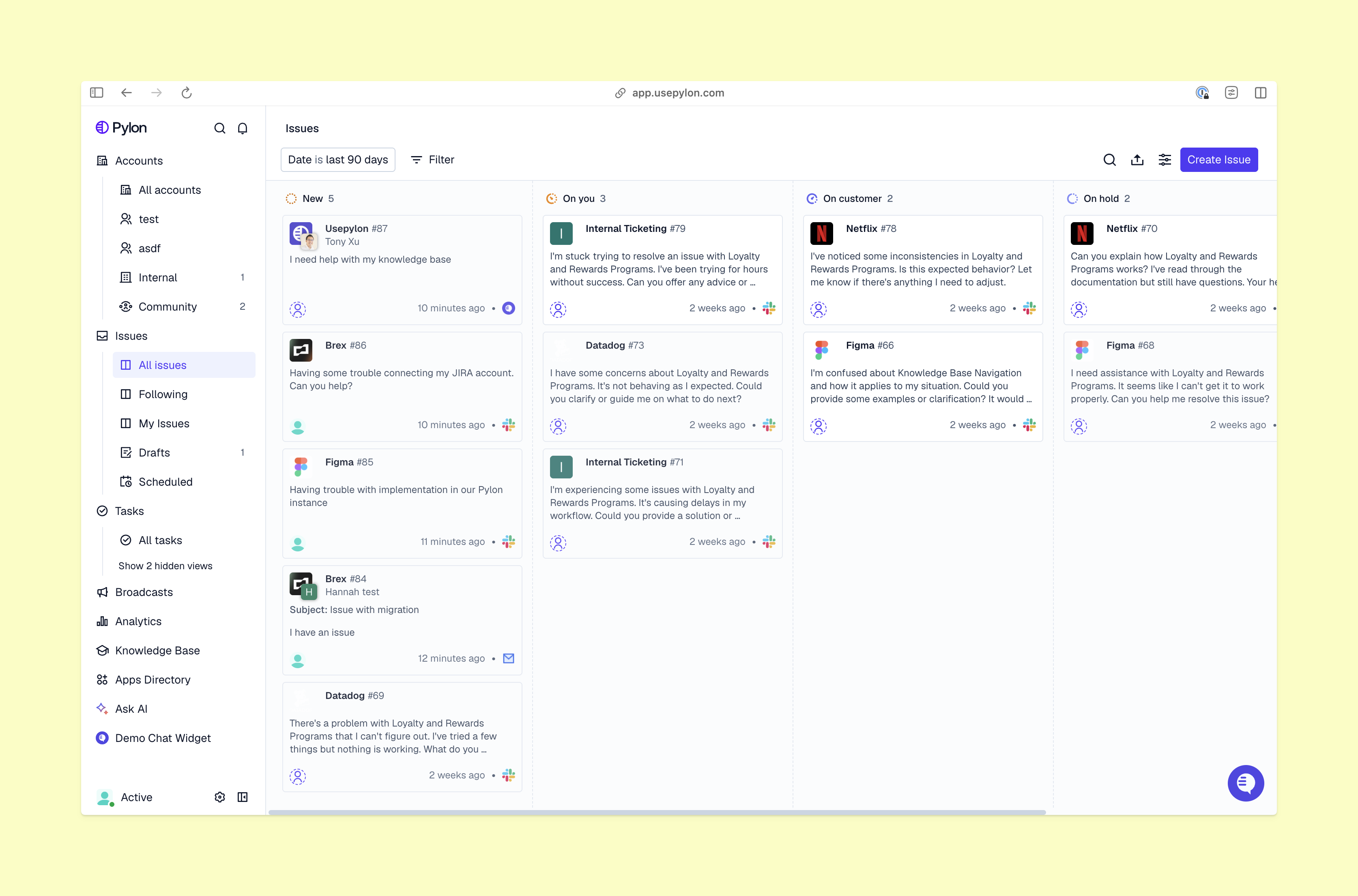
When you move to a centralized ticketing system, you improve the customer experience and speed up your support team’s operations. Here are the main benefits to expect.
With a ticketing system, team members don’t need to toggle between apps and search for customer context in different databases. All the information they need is in a single dashboard so they can easily reference details like customer type and priority, then share it with colleagues in a few clicks. AI ticketing software takes this a step further. It automates repetitive tasks, recaps issues, and suggests draft responses.
Ticketing software lets customers check their support tickets at any time and track its current status. They can see a full log of actions that your team performed, with timestamps and detailed notes. Most systems also send automated notifications as the ticket updates. This transparency creates a more cohesive customer experience — it gives them a sense of agency and more confidence in the process.
These systems collect ticket data that helps you identify recurring issues and fix them. For example, if many customers ask for help with a particular guide, you make that documentation more straightforward and intuitive. These insights also benefit your customer success team — you can monitor sentiment and volume to spot high-risk accounts and address issues before they happen.
Support tickets also show you when customers need the most help (either times of the day/week or particular points in the customer journey) and help you organize your support staffing levels to meet their needs.
Finally, ticketing software data measures team performance. You can track analytics like response time and resolution speed to adapt positive practices and continuously improve your ticketing process.
As your company grows, ticketing software helps you manage increases in ticket volume. For instance, a scaling startup might see an influx of customer questions and issues, but because they’re used to previous workloads, they aren’t prepared for the rush. AI ticketing software collects messages and helps teams handle volume without extra headcount. Tools integrated with knowledge bases reduce workloads altogether, as they deflect tickets and let customers resolve issues independently.
These systems build a structured workflow that lets you maintain the same quality of customer support as volumes increase. With clearly categorized, centralized tickets, your team can handle more customer requests than they could with a hectic system of individual inboxes and fragmented data.
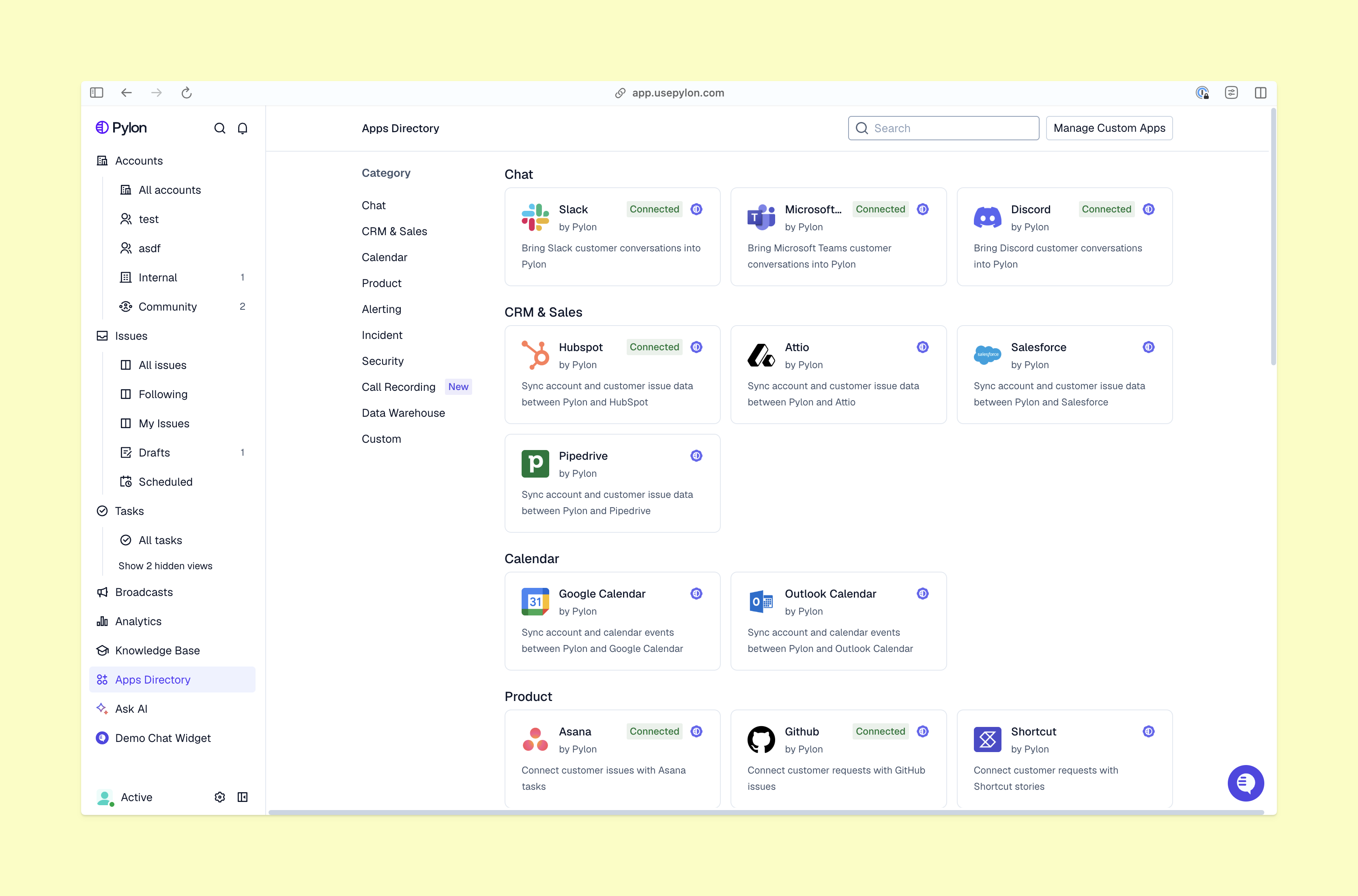
Here are the steps to pick the right ticketing system for your team:
Here are the main categories of ticketing systems available. Keep in mind that these aren’t mutually exclusive, and the types can overlap.
This type is ideal for teams that handle a lot of technical support requests. It’s built for IT needs, with structured tickets and workflows based on incident management and change logs. This is an internal ticketing system, with tickets being generated from within the organization.
This is a broader, more flexible ticketing system that’s built for customer support and relationship management. They often feature omnichannel support, full customer context, and workflow automation to boost speed and support scalability. They’re ideal for customer teams that handle a wide range of issues and companies that need support through fast growth. This is an external ticketing system, where tickets are generated by external entities, such as clients.
Open-source software provides flexibility, customization, and full control over implementation. It lets you alter the code and bend it to your needs, and it’s often free to download. However, it’s up to you to host, and maintain it, so it’s best for companies with a dedicated IT team.
A cloud-based ticketing system is much easier to use and typically ready out of the box. SaaS providers are responsible for these tools, so companies don’t have to worry about updates, security, and maintenance. Because providers manage the software and data in the cloud, these tools are more scalable than locally-hosted open-source platforms. For example, when a new employee joins the team, companies can simply add a user with a couple of clicks — no need to alter the code.
Ticketing systems let your team do their best work and offer a seamless customer experience. The right platform doesn’t just sort requests — it routes customers to targeted information, collects insightful data, and supports human teammates with intelligent AI Agents. If you want ticketing software that improves your support process from the ground up, check out Pylon.
Pylon is the modern B2B support platform that offers true omnichannel support across Slack, Teams, email, chat, ticket forms, and more. Our AI Agents and Assistants automate busywork and reduce response times. Plus, with Account Intelligence that unifies scattered customer signals to calculate health scores and identify churn risk, we're built for customer success at scale.
A ticket typically moves through several stages: Creation (customer sends a request), Assignment (system routes it to a teammate), In-Progress (teammate works on the fix), and Closed (resolution is confirmed by the customer).
Unlike an inbox, a ticketing system assigns ticket ownership to teammates, tracks status (Open, Pending, Solved), and provides reporting metrics.
Yes, many organizations use these systems for HR requests, legal reviews, and IT troubleshooting. This ensures internal employee requests are tracked and resolved with the same rigor as customer issues.
Automation handles repetitive tasks like tag assignment, priority setting, and follow-up emails. This allows support teams to focus on complex problems instead of administrative data entry.
Pylon Workforce Management is available now. See it in action with a live demo.