
When customers have problems, their first stop is often an automated help desk. This useful tool keeps them happy and takes pressure off your support team.
Read on to learn what a help desk is and why it’s a great solution for effective customer support. We’ll cover the main benefits of a help desk and how an efficient service can help your company thrive.
A help desk is a platform that can automate answers to simple support questions and resolve small technical problems. Today, most help desks include ticketing systems and are powered by AI.
The concept of a help desk started in IT, but now it’s just as common to see them in customer support settings. Support teams use this software to simplify their daily work and resolve customer issues faster. Help desks often handle simple customer queries, escalate bigger concerns to the support team, and gather information for tickets and efficiency metrics.
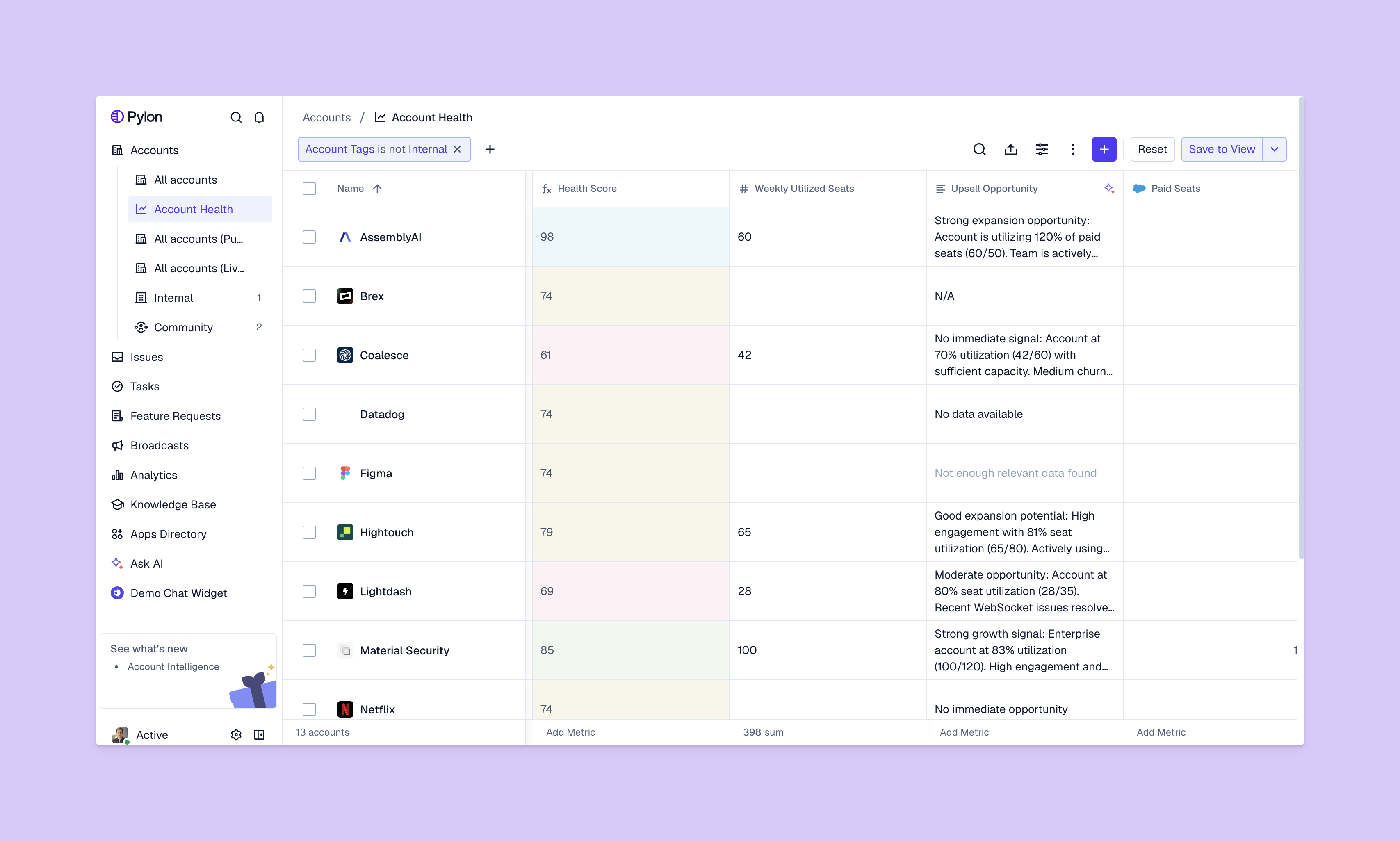
Here are the main features of help desks and their functions.
Customers expect fast issue resolution after they reach out. The most important function of a help desk is meeting those needs as efficiently as possible. Help desk software automatically creates tickets from customer requests so your support team has the right context. It can send customers information from your knowledge base (or link to self-service resources) or route them to a human support team member who can answer their question.
Help desks also include ticketing features so customer issues are visible to support team members who can promptly resolve them. Automated help desks can convert every customer question or request they receive into a support ticket. This helps everyone stay up to date on the situation.
Many B2B companies offer omnichannel support, where customers can reach out using their preferred channel, like Slack, online chat widgets, or email. Automated help desks log these tickets and collect them in one place: your help desk platform.
No matter which channel they use or who they interact with, customers expect the same quality of customer support. You can script responses for AI agents on a help desk for a consistent customer experience. With access to the full customer interaction history, AI assistants at help desks can pull from past tickets and compare solutions the customer’s tried to give a personalized suggestion.
The terms “help desk” and “service desk” are sometimes used interchangeably, but there are important differences between the software systems.
| Help desk | Service desk | |
|---|---|---|
| Focus | Fast resolution of smaller, specific technical issues and service requests. | Comprehensive customer support across a range of query types. |
| Approach | Reactive responses and troubleshooting based on customer needs. | Proactively anticipating customer needs and avoiding future problems. |
| Strategies | Managing tickets efficiently and automating workflows. | Answering questions and creating self-service knowledge bases. |
| Software | Ticketing systems. | Customer success software and knowledge bases. |

There are several ways an automated help desk can make B2B customer support teams’ work easier.
A well-organized help desk system reduces friction and helps you offer an effortless customer experience. It also takes pressure off your customer support team: If the help desk can filter and resolve small issues, then your team will be able to focus on the problems that need a deeper look.
One of the big advantages of help desk software is that, if it covers every channel customers interact with, it can give you full visibility into customer issues. While the automated help desk might only answer small questions and escalate more complex problems to your team, the help desk software can centralize all of these insights. You can view reports showing key support metrics like ticket volume, first response time, and customer effort score, then use those metrics alongside direct feedback to identify where your team can improve.
Help desks lower response times while still offering useful, accurate answers. Reducing how long a problem interrupts the customer’s workflow means they can get back to using your product or service faster. This speed can improve customer satisfaction scores and overall customer success, too, because customers actually get to see the value of your offering first-hand.
Answering questions quickly with consistent quality builds strong customer relationships. It’s like when a server at a restaurant brings water to the table right away and checks in — even if they don’t immediately take your order, you know they’re aware of you and ready to help. The help desk might not have the answer to a customer’s problem, but the customer immediately gets attention and then can be escalated to the right support team if necessary.
This quick touch-point encourages the customer to trust your team with anything they need, knowing they’ll get the right help as soon as possible. And this trust makes them more likely to use your product or service for longer — and, if it helps their work, renew.
Using a strong help desk ticketing system to track issues and manage communications means more opportunities for organizing your team’s workflows. Automation and self-service portals make a help desk run more efficiently and improve productivity even further by answering simple questions and routing more complex issues to the right team members.
Smoothing over customer support processes with a strong help desk makes it easier to scale your company. When fewer customers have to talk to your team members, the workload stays balanced as you grow. You can even use a help desk with built-in translation software to give multilingual customer support to customers in different countries as your company expands into new markets.
When customers can give you feedback via a help desk that leads to actual changes, it makes them feel heard and more willing to share their opinions in the future. This feedback helps your team understand pain points and how to improve the product or service for everyone, creating a positive feedback loop and better experiences.
Since a well-run help desk means fewer tickets escalate and fewer team members need to respond, hiring costs stay low. Automation and self-service options also allow you to answer customer questions at a low cost, and you can use help desk customer interactions to build out a knowledge base for even better customer support in future.
A help desk can lower your average time to resolution and take work off your support team’s plate. To make the most of your help desk, pair it with a B2B support platform that includes ticketing software and AI assistance as part of its offering.
Pylon is the modern B2B support platform that offers true omnichannel support across Slack, Teams, email, chat, ticket forms, and more. Our AI Agents and Assistants automate busywork and reduce response times. Plus, with Account Intelligence that unifies scattered customer signals to calculate health scores and identify churn risk, we're built for customer success at scale.
No. While help desks originated in IT, many organizations use them for customer support, HR, and internal support.
Yes. Help desks help small teams stay organized, respond faster, and scale support without adding unnecessary complexity.
No. A help desk supports your team by organizing workflows, automating tasks, and giving visibility, but support teams are still essential to customer operations.
Pylon Workforce Management is available now. See it in action with a live demo.