
For entrepreneurs, customer support teams are a quick way to defuse some of the pressure that comes with starting a company. As a founder, you likely can’t give customers all the fast, convenient support they want whenever they need it.
When you’re still establishing your presence in the industry, building strong relationships with customers is critical for your revenue and reputation. A strong customer support team can start those relationships off on the right foot.
In this guide, we’ll explore why you should build a customer support team early. We’ll also walk through how to set up an effective customer success system for startups.
One bad customer experience — a slow response time, an unclear answer, or poor advice — can easily hurt your company’s growth.
For large enterprises, these experiences typically take longer to impact the bottom line because the companies have already established a reputation and customer base. For startups, you’ll feel the effects almost immediately.
By pinpointing common mistakes and investing in sound customer experience solutions early on, you can:
Here’s some planning advice for small businesses starting a new customer support team.
Before creating your customer support system, identify your target audience. You can use this knowledge to create tailored customer support channels to meet your customers where they are.
Consider what customers need from your team. What are the most common product complaints you get? Do companies tend to struggle more with custom API integrations or setting up a certain feature? Identify where customers are most likely to need help after signing a contract, then plan your support team’s services around these gaps.
Define what “great support” looks like for your company. For example, if you’re a SaaS company building a healthcare platform, transparency and security are top priorities.
Once you have your customer support goals figured out, ask yourself some common questions to ground them:
Your customer support system and the KPIs you track need to reflect these values. Basic metrics like first response time, resolution time, and customer satisfaction score (CSAT) can paint a picture of your system and team's success.
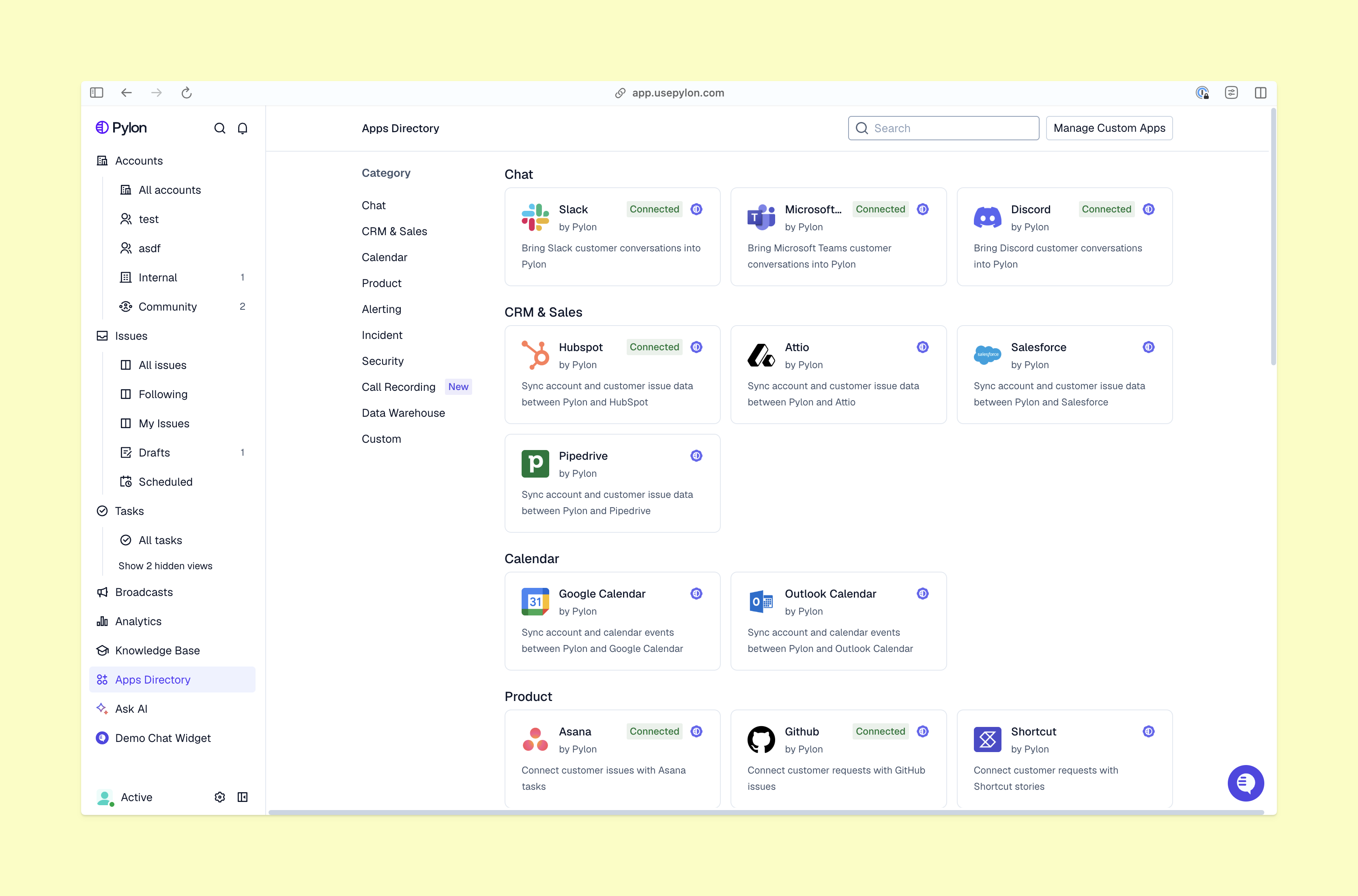
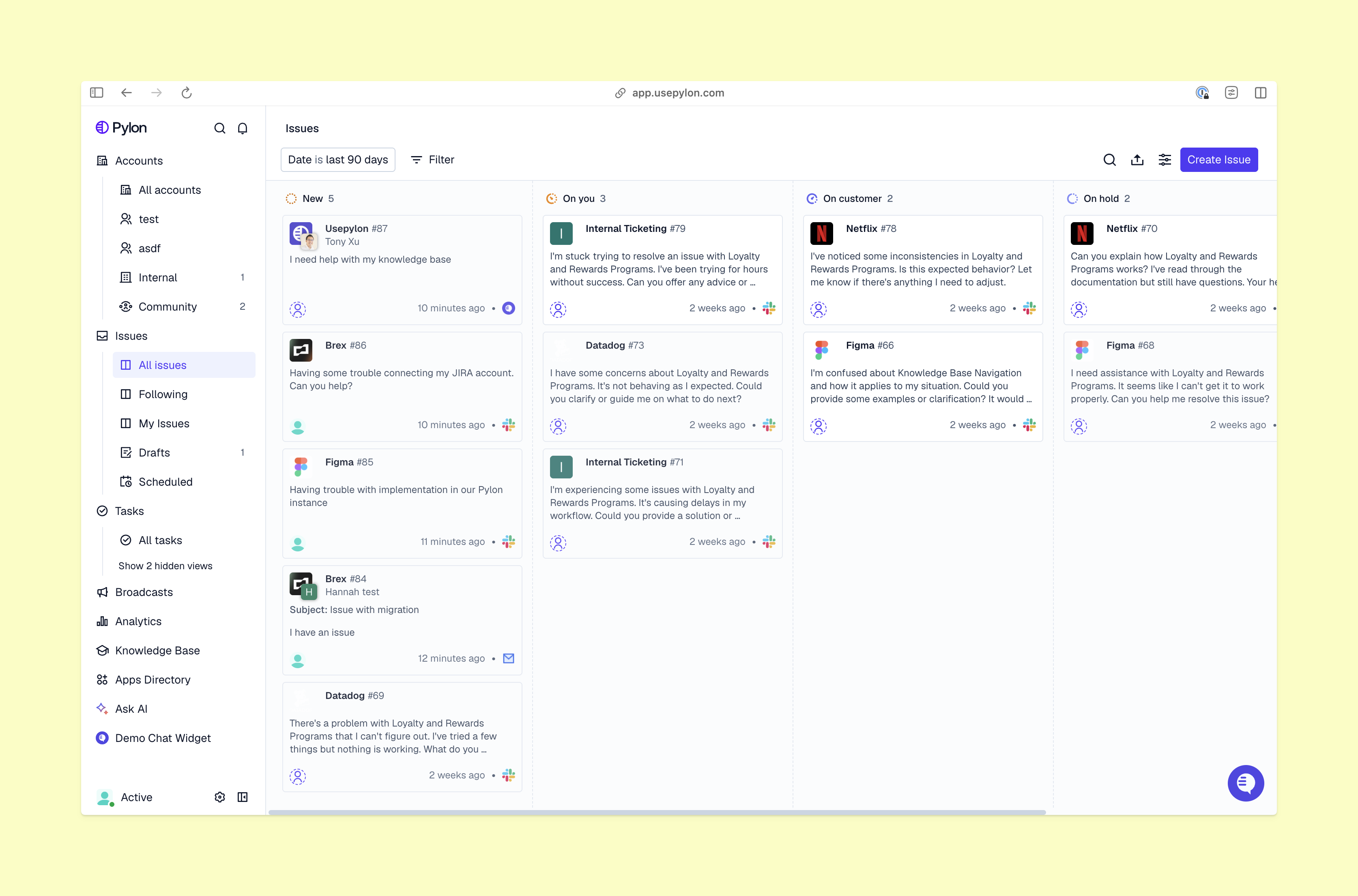
No matter how customers reach out, it’s important that your team can see every interaction to provide the most thorough and consistent support. The easiest way to do this is with automation.
About 70% of customers prefer an omnichannel support approach. Say a customer initially reaches out through the live chat widget on your website, but won’t be able to continue the conversation on their work laptop later that day. To solve this problem, your system could let them switch to Slack on their phone and pick up right where they left off. If they need to get in touch after hours, adding Slack integrations like a conversational AI agent to solve simple problems and log tickets for the next morning can help them feel supported.
Having multiple ways to get in touch also makes it easier to get more consistent feedback about your offering that helps you grow. When customers don’t have to track down one specific form to tell you about their experience, they’re more likely to organically share their thoughts. This creates a positive feedback loop further down the line.
Adding automated workflows and CRM data to your support stack helps teams track conversations across multiple touchpoints, track details from earlier interactions, and use this data to quickly and creatively solve customer problems.
It may seem costly at the beginning, but building strong customer support services for a small business can save you significant time and energy as you grow.
Successful startups often have rapid growth periods in the first few years, and you need to make sure your customer support system can keep up. Develop the following internal and external processes to make sure your customer success processes scale with the company.
As your customer base grows, your support team will need to grow with it. If your company shifts to support international customers, for example, you might need to hire regional teams to cover different time zones, multiple languages, and a higher ticket volume.
To make sure every customer feels supported without burning out your current team, you can add automations to fast-track simple questions and bring on more support team members. Make sure you have a strong onboarding process, internal knowledge base, and customer care policy to get new hires up to speed quickly.
Without detailed documentation and a strong onboarding plan, your team’s support quality will vary. This can drop customers’ brand trust — it’s frustrating having to repeat information over and over without getting an issue fixed. Getting everyone on the same page about expectations and processes from day one minimizes the chance of inconsistent care.
Include information in these documents about critical parts of your company:
Customer knowledge bases can also help customers without adding to your team’s workload. Most customers prefer self-service when they encounter a problem. A knowledge base with relevant blog posts, videos, and other resources helps them quickly solve their own issues.
The fewer basic questions your team gets and the more prepared they are to handle complex requests, the higher your customer satisfaction will be.
Collect customer feedback regularly and re-evaluate your processes based on their comments. This helps you learn about your customers’ evolving needs.
For example, a simple thank-you message within 24 hours, along with a short survey or “let us know how we did” request, shows you care about their experience. If they mention that your team helped them but was slow to respond, focus on improving the time to first response. This could mean spreading the workload more evenly between team members or using an omnichannel system to track incoming tickets.
Thank the customer for letting you know and tell them about your plans to improve. Then, follow up with them once you’ve made changes to your support process, and thank them again for sharing their experience. They’ll feel listened to and understand that their comments can make a difference in the long run — which ultimately builds trust.
As your company grows, consider expanding the metrics you track. Here are some common metrics for startups:
A well-defined customer support system will help your customer base grow with your company. With the right research, system setup, and scaling processes in place, you can efficiently meet customer support needs from day one.
Pylon is the modern B2B support platform that offers true omnichannel support across Slack, Teams, email, chat, ticket forms, and more. Our AI Agents and Assistants automate busywork and reduce response times. Plus, with Account Intelligence that unifies scattered customer signals to calculate health scores and identify churn risk, we're built for customer success at scale.
Customer support resolves issues, fosters trust, and acts as the company's frontline. It ensures satisfaction, reduces churn, and builds trust by handling inquiries and problems efficiently.
Support teams can offer 24/7 support by using AI agents or chatbots for instant replies, or employing global teams for "follow-the-sun" coverage.
Key principles include identifying a clear vision, taking calculated risks, adapting to change, maintaining persistence through failure, and focusing on solving real customer problems effectively.
Pylon Workforce Management is available now. See it in action with a live demo.