
A fast, helpful reply can make the difference between a happy customer and a frustrated one. But for busy B2B support teams, instant replies aren’t always easy. Auto-response messages help you keep up with customer expectations without neglecting other tasks.
In this guide, we’ll look at some auto-response sample messages and show how to set them up.
Good auto-responses use context to offer personalized, high-level support, instead of generic “we got your message” replies. The best auto-reply examples take the specific situation into account and give relevant info.
Here are six automatic-reply templates that show how you can do this for common B2B support issues. Keep in mind that all emails should also include a branded signoff and a customized name variable like “Hi {{customer.name}}.”
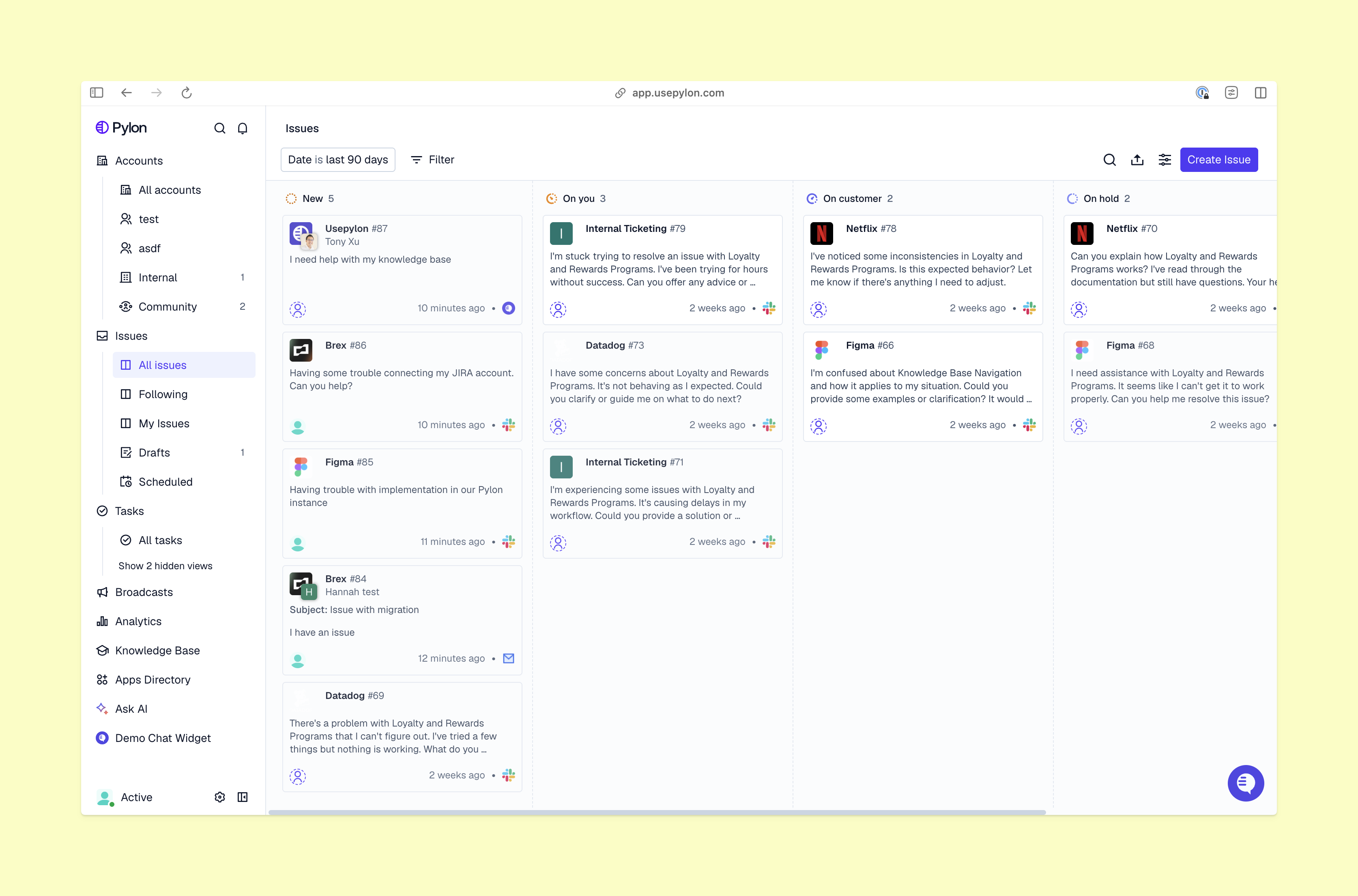
When a customer reaches out, you need to reply fast to confirm receipt and let them know when to expect a full response.
Example template:
Thanks for contacting our support team. This is an automated message to let you know we got your request. We’re working on it, and one of our team members will get back to you within two business hours.
When your team is offline, keep customers updated with an out-of-office email. Tell them you still care about their message and let them know when you’ll respond.
Example template:
Thanks for your email. Our team is currently out of the office for {{holiday name}} and will be back on {{date}}. We’ll respond to your message as soon as we return. If you need immediate help, our knowledge base has answers to common questions.
When things go wrong for lots of customers at once, a proactive auto-response can reduce panic and ticket volume. The goal is to show customers you’re aware of the problem and trying to fix it.
Example template:
We’re currently having an issue with {{feature}}, and we’re looking into it as a high priority. We’ll post all updates in the #status channel. Thanks for your patience while we work to resolve this problem!
Customers sometimes give feedback after support experiences, and it’s important to let them know you care about their thoughts.
Example template:
Thanks for sharing your idea about {{feature}}! We’ve sent it along to our product team. While we can’t promise anything right now, we review every piece of feedback carefully, and we’re always updating our product to better serve your needs.
When an issue is fixed, send a follow-up that confirms the solution and invites the customer to re-open the ticket if they have lingering problems.
Example template:
We fixed the issue you reported about {{issue_summary}}. If everything looks good on your end, no action is needed! If the problem comes back or you have any other questions, just reply to this email and we’ll reopen your ticket right away.
Some support requests need input from another team, which adds time and complexity. Your auto-response should reassure the customer that they aren’t forgotten about and an expert will soon handle their ticket.
Example template:
Thanks for your message! This looks like a question for our {{team_name}} team, so we’re routing it to them now. You’ll hear from a specialist within two hours, and they’ll let you know if they need any more information.
A good auto-reply message is helpful, concise, specific, and true to your brand's tone. When you write a message, remember to:
Pylon’s omnichannel support platform gives you several ways to set up automated replies. Here are a few top options.
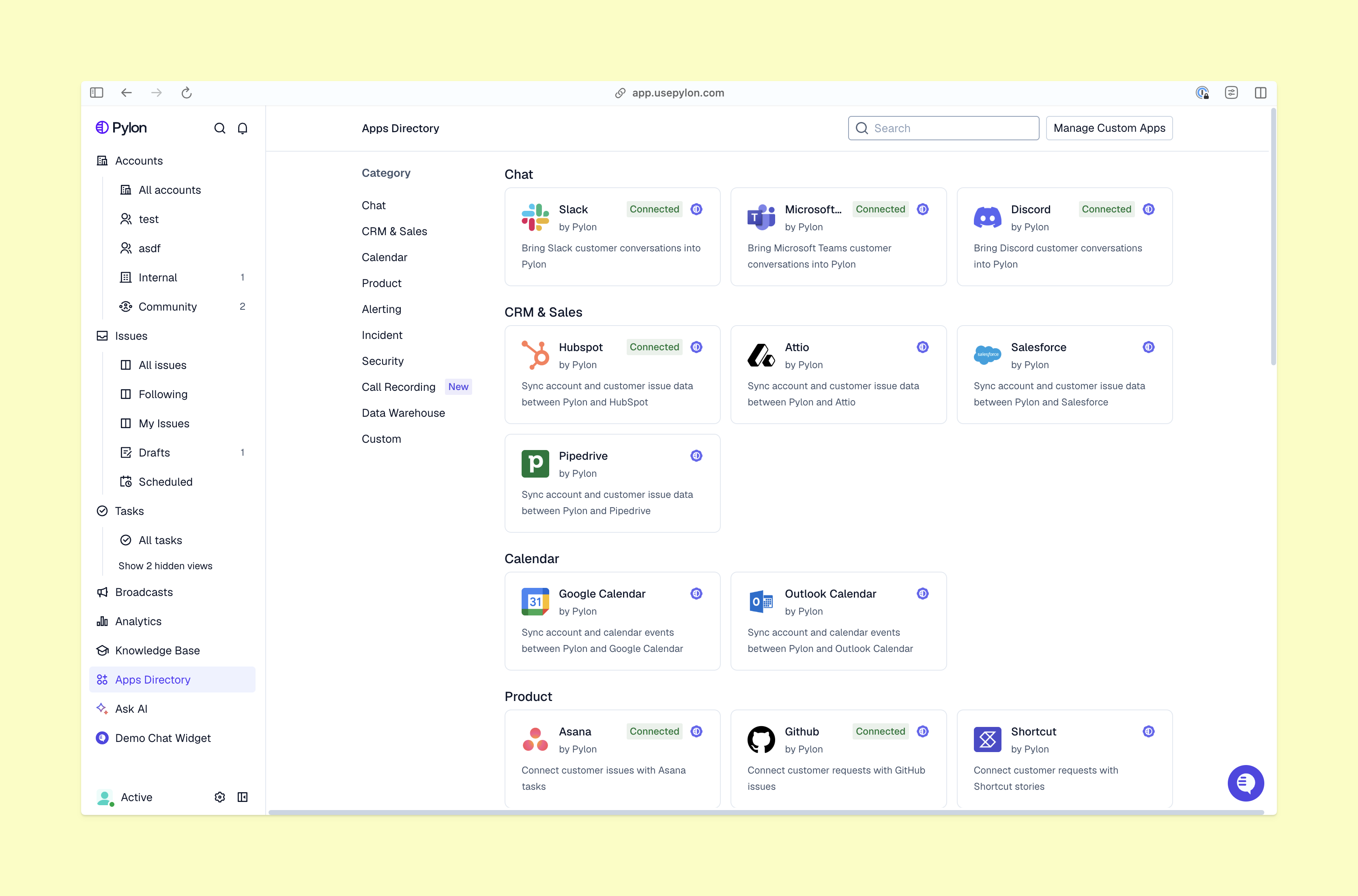
Macros are pre-written templates your support team can send with a single click. These auto-replies are perfect for answering common questions that still need a team member for the first response.
In Pylon, you can create a library of the best quick response messages for your team to use. You can also nest dynamic variables inside macros, like customer names and assigned team members. You can even set macros so they’re only available for specific channels (i.e., Slack versus email) and have them automatically apply tags to help with organization and analytics.
Triggers are rules that fire automatically when specific conditions are met. For example, you could create a trigger that sends an after-hours reply if a new ticket comes in outside your regular support hours.
You can trigger a message based on the customer’s account tier or the presence of certain keywords in their message. Plus, you can chain multiple actions onto a single trigger — when you get a new ticket from an enterprise account, your custom trigger could send a personalized reply, tag the conversation as high priority, and assign the ticket to your senior support team.
By using runbooks, Pylon’s AI agents can carry out multi-step workflows. Your AI agent can understand each customer’s intent and ask clarifying questions, then take actions like fetching data or escalating to the right team.
Let’s say a customer has issues with a specific product feature. The AI agent can use back-end APIs to access data like server logs and account context and find the exact error code. Then it can walk the customer through a fix without involving your team unless it’s necessary. This improves resolution times and frees up your team for tasks that need hands-on support.
Simple, clear auto-response messages manage customer expectations and set the tone for productive support chats. With the right tools and templates, you can use these automated replies to reduce response times and increase customer satisfaction.
Pylon is the modern B2B support platform that offers true omnichannel support across Slack, Teams, email, chat, ticket forms, and more. Our AI Agents and Assistants automate busywork and reduce response times. Plus, with Account Intelligence that unifies scattered customer signals to calculate health scores and identify churn risk, we're built for customer success at scale.
To automate Slack replies, go to Triggers in the Pylon dashboard. Create a rule for “New issue created” or “Issue has a new message” and set the action to “Send issue message” to deliver your automated response to customers.
In Pylon, navigate to Triggers and set up a new rule for Microsoft Teams. Choose the “New issue created” or “Issue has a new message” event and select “Send issue message” to automate your replies within the channel.
Connect Gmail in Integrations, then navigate to Triggers. Set a condition for incoming emails and an action to “Send issue message”, allowing Pylon to reply to customers automatically.
Integrate Outlook in the Settings, then go to Triggers. Create a rule that triggers a “Send issue message” action for new emails, so your customers receive instant, automatic replies.
Pylon Workforce Management is available now. See it in action with a live demo.