
Everyday moments like support handoffs and renewal conversations shape whether a customer feels satisfied or frustrated — and as these moments build up, they affect the customer’s decision to stay or churn.
This guide breaks down what customer happiness looks like and why it matters. We’ll also talk about how your support team can offer a better customer experience.
Customer happiness measures whether customers feel positively about your product and how your team supports them. You’ll track this metric throughout the whole customer journey, from onboarding to ongoing support tickets.
B2B teams rely on long-term relationships with customers, so happiness is often shaped by many interactions over time. Small positives can have ongoing effects — like great step-by-step onboarding that answers common questions and prevents future friction or confusion.
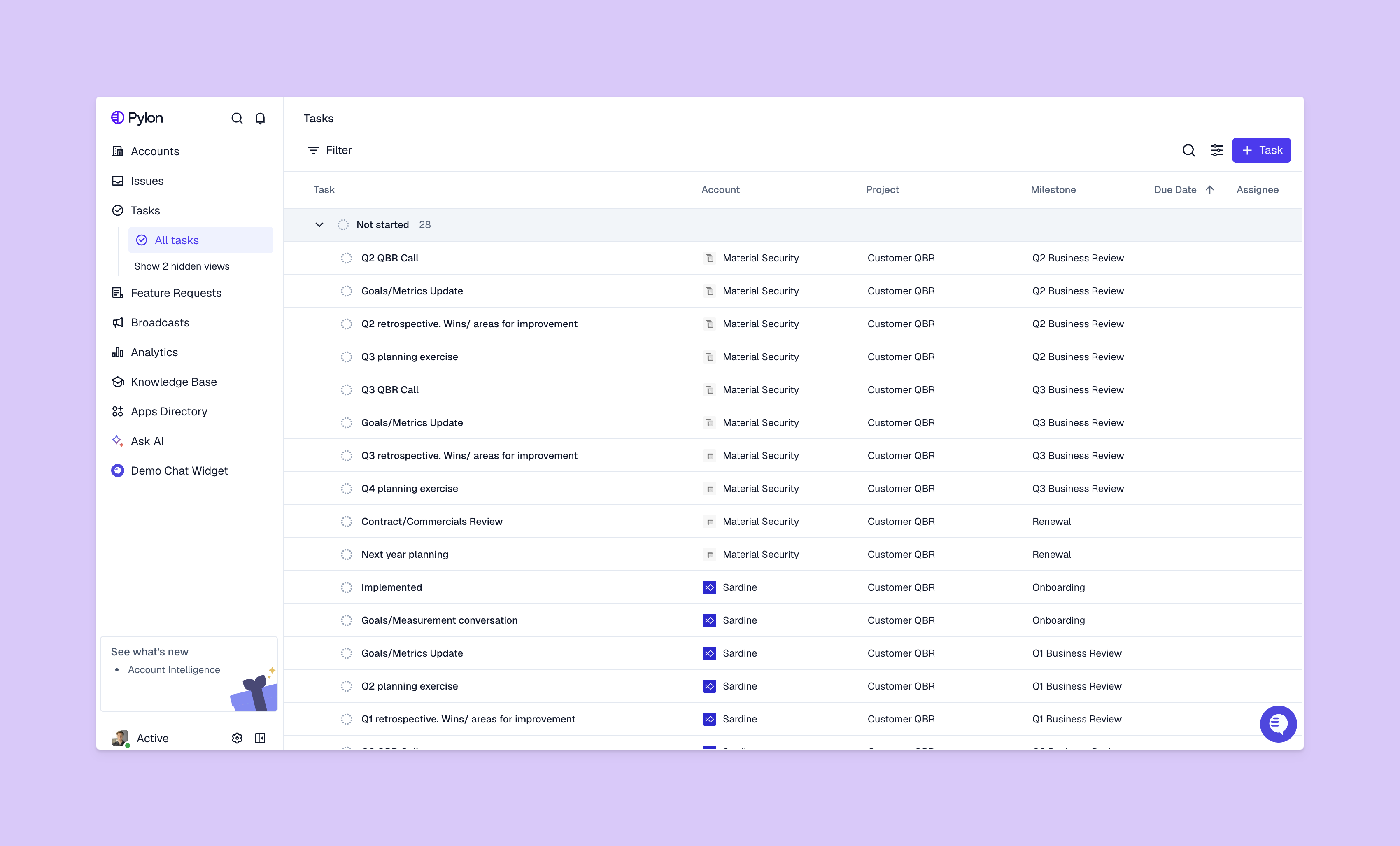
Support teams that learn how to make customers happy can catch issues early and help accounts achieve their goals. To do that, your team needs to be proactive, with regular outreach and communication ahead of renewals to keep customers comfortable and informed.
Customer satisfaction and customer happiness are related metrics that measure different parts of the support experience.
Teams use customer satisfaction to see whether they handle individual requests well. You can send satisfaction surveys to get scores from customers after tickets or live chats close.
Fast responses, clear answers, above-and-beyond support, and accurate help lead to more positive scores. For example, a customer could give a support chat a high score after they get quick help with a technical issue, or they could give a low score if they needed to wait or are still having problems. Either way, support leaders can use these scores to spot training needs and improve day-to-day workflows.
Satisfaction is a useful metric for tracking support performance, but it doesn’t always reflect how customers feel about the relationship overall. Customer happiness shows the way they view your company based on their experiences over time, and you can build it through consistent follow-ups and reliable support.
For example, a customer could get good support on individual tickets, but struggle with repeat issues or a lack of self-service resources. Satisfaction scores can stay fairly high while overall happiness falls. So when your team pays attention to customer happiness, they can better understand long-term sentiment and spot friction that one-off requests don’t show.
Once your team knows how to keep a customer happy, they can drive growth with support that:
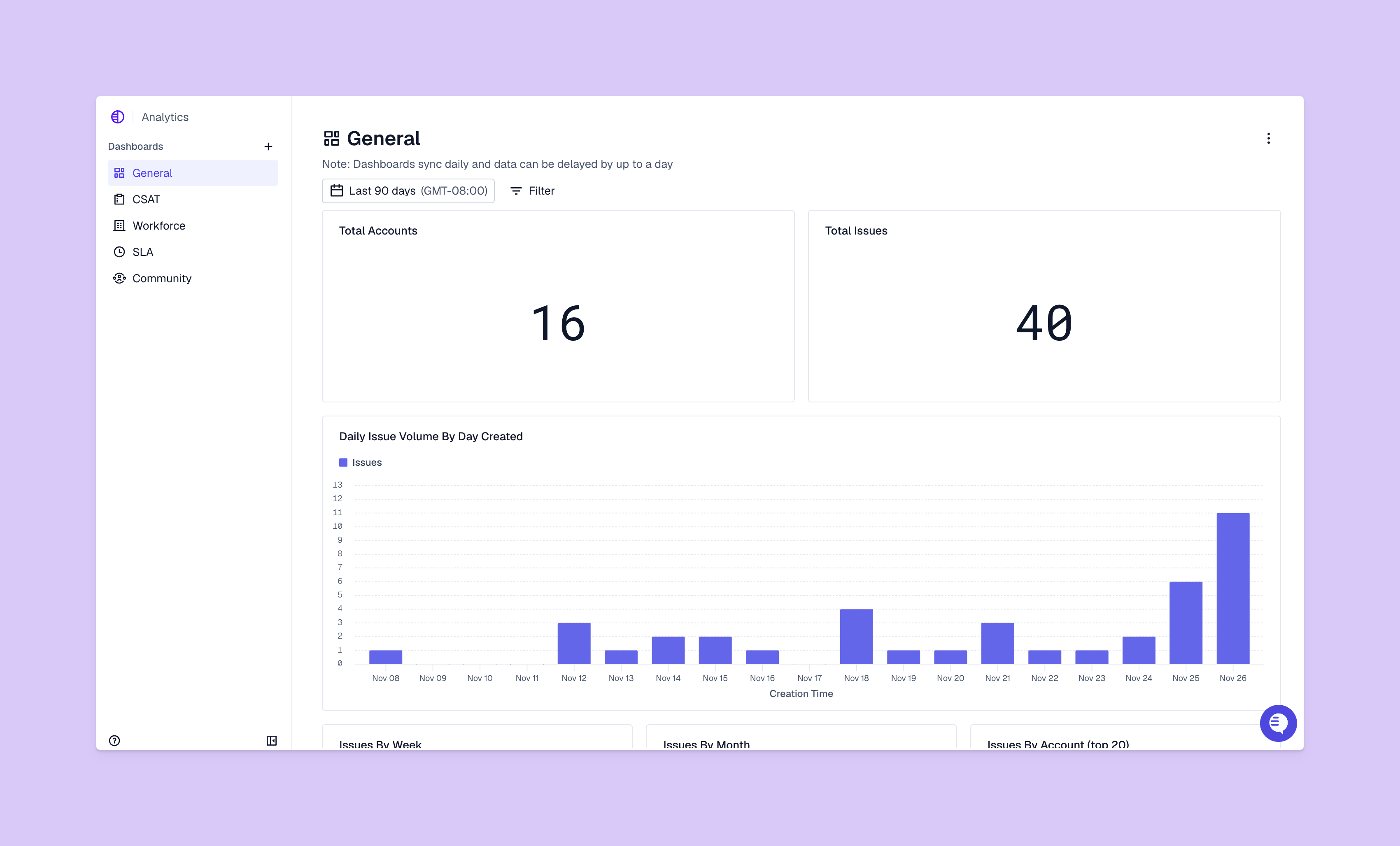
To track happiness, you'll want to look at lots of data for patterns that show when the customer experience improves or slips. Most customer happiness indexes use a few metrics — like satisfaction scores, net promoter scores, repeat contact rates, and support outcomes — to calculate one score that reflects overall sentiment.
Happiness scores are usually put on a 0–100 scale, where higher numbers mean healthier accounts. For example, a customer with high satisfaction and positive feedback could score 80 in a happiness index, while lower satisfaction combined with negative comments could drop that score below 50.
Your team can build customer success and happiness by improving how they respond to and follow through with accounts. Here are five ways to do that.
Customer feedback shows where accounts struggle and what works well for them. Review support interactions and account summaries to spot recurring issues, using this information to plan product updates or new success playbooks.
When your team shows they understand a customer’s goals and challenges, that customer feels more important and supported. Use account context and AI assistants to write personalized messages and give more relevant advice.
Fast response times set good expectations, and consistency tells the customer they’ll always get help when they need it. Rely on tools like AI agents to reply quickly, then follow through and give the customer regular updates until you’re sure they’re happy with your support.
Customers are rarely happy when they don’t think you listen. Thank customers for feedback, even if it’s negative, and let them know when you make changes based on their concerns. And take responsibility for problems — when you acknowledge mistakes and communicate progress, you can build trust even in difficult interactions.
Strong relationships are two-way streets — customers need to know you value them. Recognize long-term customers with early feature access or even simple anniversary emails. Small gestures strengthen connections and encourage engagement.
Customer happiness grows when your team listens closely and gives excellent support at every stage of the account lifecycle. When habits like listening to feedback and showing appreciation become part of your daily work, customers tend to stay around and expand their usage. Of course, you’ll need a way to organize all the data about each account, so you can offer the specific, personalized help they need.
Pylon is the modern B2B support platform that offers true omnichannel support across Slack, Teams, email, chat, ticket forms, and more. Our AI Agents and Assistants automate busywork and reduce response times. Plus, with Account Intelligence that unifies scattered customer signals to calculate health scores and identify churn risk, we're built for customer success at scale.
Customer happiness is a shared responsibility across teams. Support, customer success, product, marketing, and leadership all influence the customer experience.
Regular, meaningful touchpoints matter more than frequency; engagement should feel helpful, relevant, and timely.
Yes. Quick responses, transparency, and sincere accountability often turn negative moments into loyalty-building opportunities.
Pylon Workforce Management is available now. See it in action with a live demo.