
Customer experiences shape how your company earns trust and builds long-term relationships with accounts. To create quality experiences, you need support that customers find easy to reach, empathetic, personalized, and helpful.
In this guide, we’ll explore some great customer experience examples that highlight how to drive growth and stand out in competitive markets.
Customer experience (CX) is made up of all the small interactions with your company, from onboarding and product questions to ongoing support and follow-ups. In B2B customer support, those moments tend to happen via channels like email, Slack, chat, and tickets.
A good customer experience is frictionless and consistent from one touchpoint to the next. Quality customer support means your team:
When interactions are slow or feel disconnected, frustration builds and customers could turn to your competitors. But if you invest heavily in the customer experience, you can create more lasting relationships, build a better brand reputation, and encourage retention.
To offer good experiences, you first have to put yourself in the customer’s shoes — here’s what they want to see.
Customers want to feel understood, not treated like a ticket number. Personalized support tells customers you care about their unique needs and goals.
Support teams that have easy access to account context, including past issues and product usage, can offer more relevant answers. They can add simple touches (for example, mention past chats or give advice based on the customer’s account segment) to build connections and deliver quality customer service.
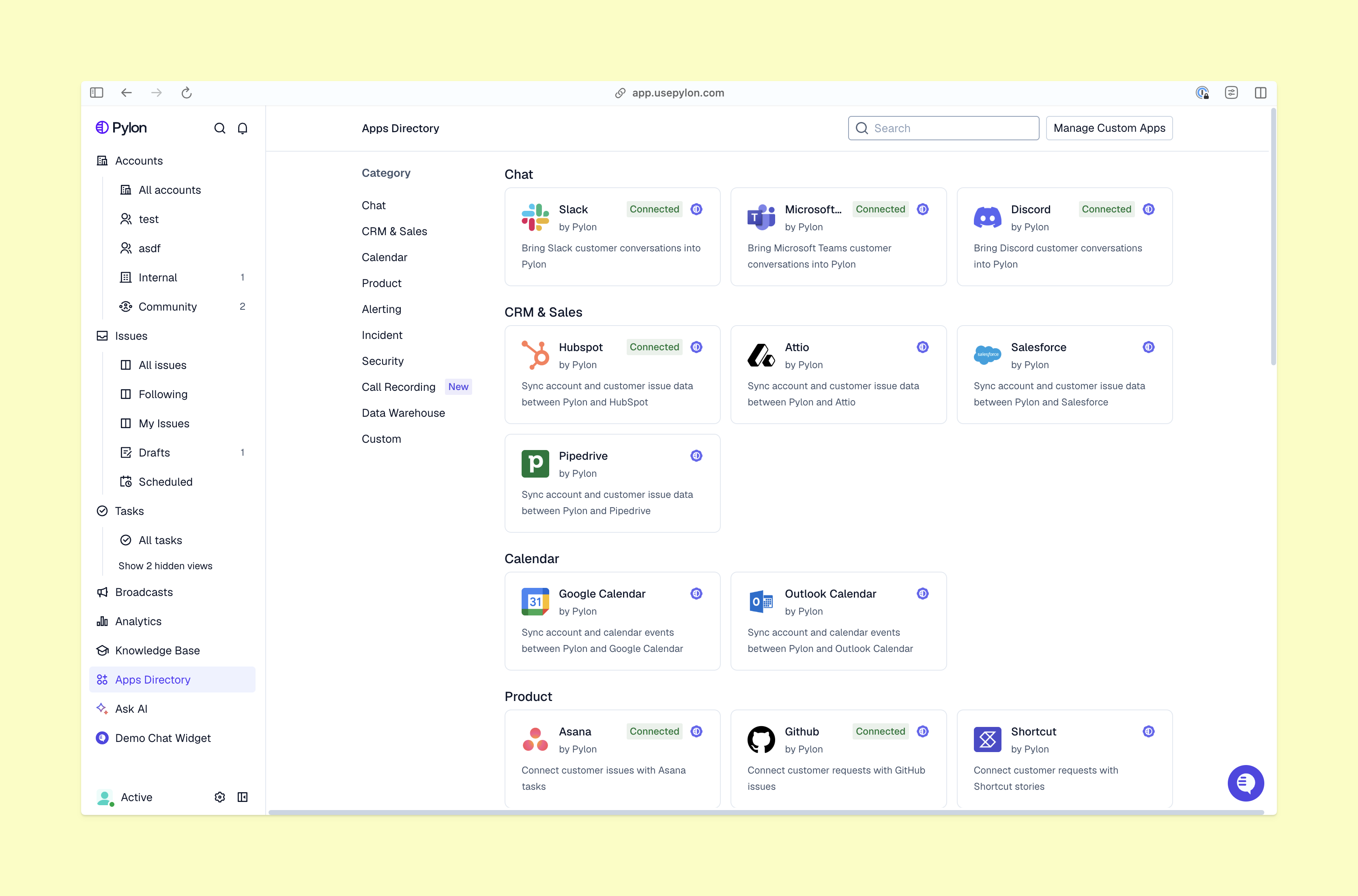
Great experiences save time by meeting customers where they already work, through channels like email, chat, Slack, and Teams. Offer plenty of ways to get in touch, so each customer can use the contact method they’re most comfortable with.
And if you connect all those channels using omnichannel support tools, context stays intact as conversations move between platforms and team members. Customers shouldn’t have to repeat themselves to get help and should get consistent responses every time.
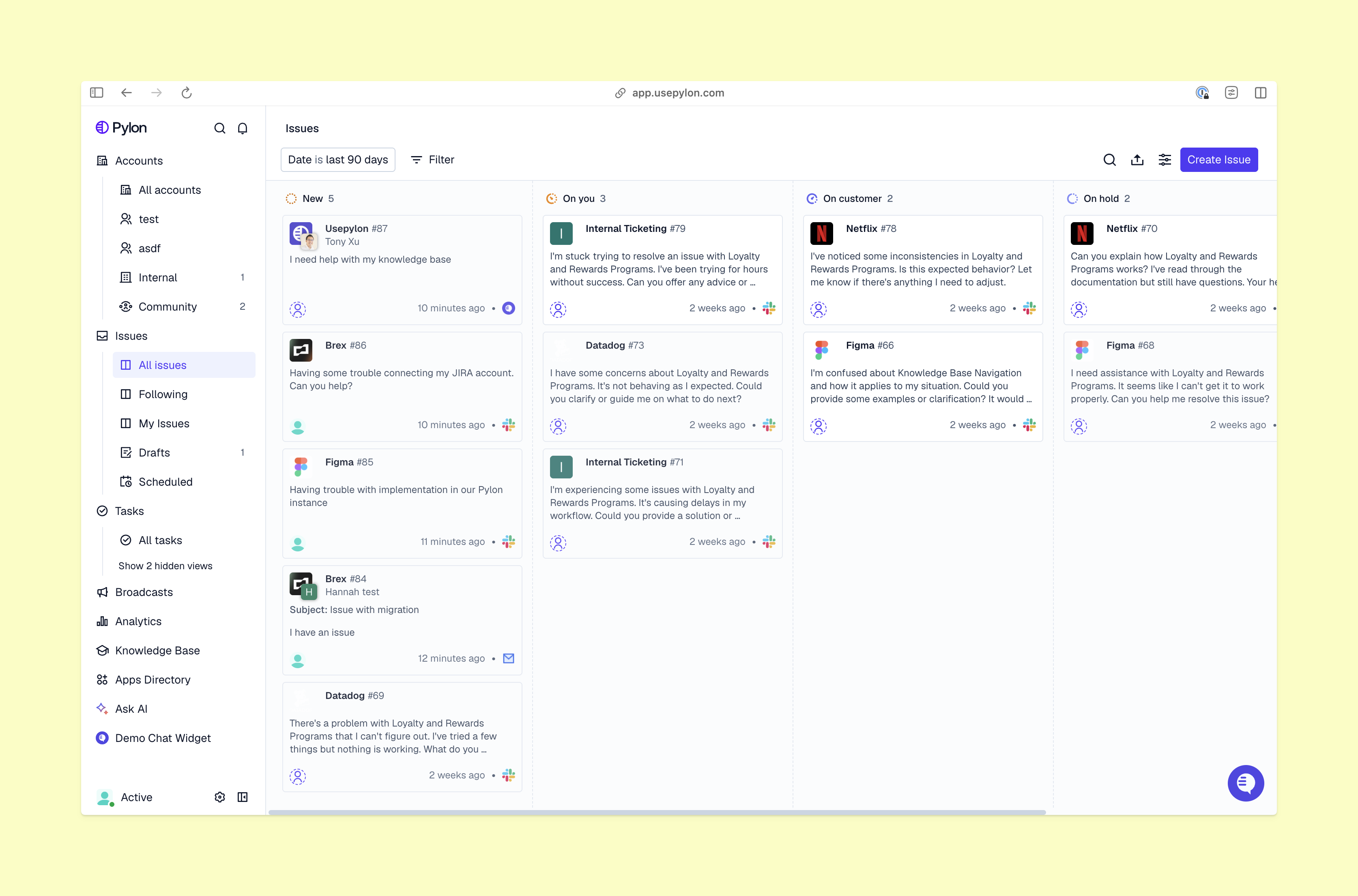
Successful support teams are proactive; they don’t wait around for problems to happen. Your team should track metrics and activity, so they can spot issues early and reach out before customers get frustrated.
Plus, proactive support lets you focus on the customer’s progress with your product. You can offer advice and encourage feature adoption to help customers achieve success, not just reactively fix problems.
These customer experience management examples show how real brands offer quality support at high volumes:
No matter your industry, companies with the best customer experiences share some common traits:
Many companies and products look similar on the surface, and even fill the same market gaps — customer experience over the long term is what sets your B2B company apart. When customers trust your team and get quick results, they tend to expand their usage and recommend your product.
Pylon is the modern B2B support platform that offers true omnichannel support across Slack, Teams, email, chat, ticket forms, and more. Our AI Agents and Assistants automate busywork and reduce response times. Plus, with Account Intelligence that unifies scattered customer signals to calculate health scores and identify churn risk, we're built for customer success at scale.
In the B2B world, CX is defined by first contact resolution (FCR) and time to value. According to industry standards from leaders like Help Scout, a great experience isn’t just about being friendly; it’s about competence and speed. For Pylon customers, this often looks like frictionless support, where a customer can ask a question in Slack and receive a resolution without ever having to log into a separate ticketing portal.
Rather than the reactive “5 Ps,” modern CX leaders focus on context, speed, and proactivity. Intercom’s research shows that the best customer experiences happen when a company anticipates a problem before the user reports it. In a B2B context, this means using account intelligence to monitor health scores, and reaching out in shared channels (like Slack or Teams) when usage patterns dip rather than waiting for a support ticket to be filed.
Modern B2B companies are moving away from treating support as a cost center and toward support-led growth. This approach focuses on turning support interactions into expansion opportunities. According to Gainsight, a great customer experience occurs when the support team has the account context to provide proactive advice rather than just technical troubleshooting. By centralizing customer data where conversations happen (like Slack), support teams can identify power users and drive product adoption naturally.
Pylon Workforce Management is available now. See it in action with a live demo.