Eve’s support team has five people. They cover hundreds of clients, and they want to keep it that way.
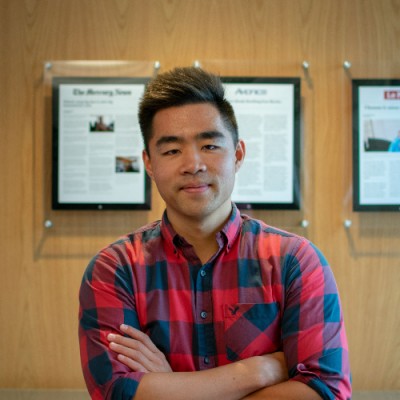
Michael Lauerman is Eve’s principal support technician. When he joined, Eve had no support team at all. Today, his team handles day-to-day questions, sends engineering bug reports that are ready to work, and flags accounts that need attention before anyone asks.
Michael joined Advith Chelikani, Pylon’s CTO and co-founder, to talk through how they built an Agentic Support team that stays lean while taking on more of the work around every customer issue.
Eve builds AI for attorneys. It drafts documents, fills out forms, and works like a paralegal inside a law firm. Before Michael arrived, every customer question went to the client’s CSM, and anything technical went on to engineering. Both teams were doing support on top of their real jobs.
Most of that volume was simple. Michael puts 60 to 70% of Eve’s inbound in the how-to category. The rest is harder, like documents that don't sync over from a firm’s case management software.
He built a support team to take the how-to questions, triage, and escalations off the CSMs and engineers. He kept it small by design.
“The original goal was always to keep the team as small as possible,” he said. “There are fewer moving parts, less that can go wrong."
Michael’s rule for everything the team builds is that the AI is only as good as what it can see. So Eve started by pulling knowledge from every team into its knowledge base and docs, then connecting that information to Pylon.
Now an investigation runs as soon as a ticket comes in. By the time a rep opens it, they can see the customer’s history, whether coworkers at the same firm have hit the same problem, and a short list of what to check next.
In the webinar, Michael explains how that same setup handles messy issues with several possible causes, which came up in an audience question from someone whose support “isn’t very flowchartable.”
Any team with more than one person writing bug reports ends up with reports that all look a little different. Templates help, but someone still has to copy, paste, and fill in every field.
Kenny, one of Michael’s teammates, built a Skill that handles escalations from start to finish. He also did the math on what it saves: 20 to 40 hours a month, depending on volume and whether there's an incident. Advith mentioned that Pylon runs a similar workflow internally, and a report that took several minutes to write now takes 20 or 30 seconds.
When Advith asked about the Skill Eve calls the “sus” check, Michael explained the name first. “I did it because of the kids.”
“Sus” is short for suspicious, and the check looks for signs that an account needs more than a ticket resolved. Support usually hears about trouble first. Michael wanted his team to use that head start.
The check reads account and ticket history and pulls in the right people when something looks off. That could be a CSM, a client education manager, or engineering. If nobody acknowledges the alert, it keeps moving up until someone does.
Michael walks through the specific risks it looks for in the webinar, including one that turns a wave of how-to tickets into a training session.
All that product and account knowledge started in support, but CSMs and SEs need it too. They used to ask a Notion bot whether Eve could do something, then fill out a Slack form whenever a client mentioned a problem in passing.
Now they can mention the Pylon Slack Agent. Before a call, a CSM can ask for a full account recap with open tickets, engineering work, feature requests, and "sus" check flags. If a client mentions a problem, the CSM can turn that conversation into a support ticket right there, with the details already filled in.
Eve’s team keeps one shared list of project ideas. Anyone can add to it, and anyone can claim one at the weekly standup. Right now, Michael owns the Slack Agent, one teammate is expanding what the Skills know, and another is working on a codebase integration. Every quarter, the whole team re-ranks the list.
When client work is handled, the team spends its time on that list. When something new is ready, it goes through one more step before customers see it.
“If I build out something, then I give it to the team and go, ‘Hey, break it.’”
Michael Lauerman, Principal Support Technician at Eve
From the start, Michael’s goal has been to build a team that does more than technical support and operates more like “front-end engineering.”
His team already triages, reproduces, and diagnoses bugs. Next, he wants the team testing and shipping fixes too, which would give engineers more time for new features. That also changes who he hires next, and he explains what he looks for in the webinar.
The recording covers what this post leaves out: how the escalation Skill checks its own work, the three risks behind the “sus” check, where Michael draws the line on what AI should handle, and his advice for teams starting with nothing automated.
If you’re running a lean support team, or trying to keep one lean as you grow, it’s worth the watch.
Pylon Workforce Management is available now. See it in action with a live demo.