Pylon now integrates with Devin, Cognition’s AI software engineer, to help teams investigate and fix customer-reported bugs.
Our AI agents can triage customer issues and pass likely bugs to Devin with the ticket context attached. Devin can dig into the codebase, attempt to reproduce the bug, and open a pull request (PR) for an engineer to review. Updates from the session and PR flow back into Pylon, so support can follow the work without asking engineering for each update.
Why we built it
When a customer reports a bug, a quick response is only the beginning. Support has to gather the details, pass them to engineering, and keep the customer informed while someone investigates. Engineers have to piece together what the customer saw before they can start on a fix.
Support teams have long measured how fast they respond. We want teams to be able to measure, and shorten, how long it takes for a customer-reported bug to get fixed.
This integration cuts down the back-and-forth in between. Engineers get the customer context and an initial investigation to work from. Support can see progress in Pylon.
We think the future of customer work is agents working together across the whole stack. This is a step in that direction: Pylon’s agents handle the customer side, and Devin handles the code.
How it works
Teams can start a Devin session manually from a Pylon issue, add a tag to invoke Devin, or set up an automated workflow that adds the tag for them.
In an automated workflow:
- A customer reports a bug in Pylon.
- Pylon's AI agents triage the issue and add a tag when it includes enough information for Devin to investigate, such as an error message or clear reproduction steps.
- The tag starts a Devin session with the issue context.
- Devin investigates, checks connected logs and monitoring tools, attempts to reproduce the bug, and can open a PR.
- Devin shares its findings in Slack, where engineers can reply to the session in the thread. Customer replies in Pylon also sync into the session.
- Session and PR events flow back into Pylon, where they can trigger an internal note, update the issue's status, or assign it to someone for follow-up.
Engineers still review and merge proposed code changes.
The integration also includes free codebase search in Pylon, with no Devin seat required. Full Devin sessions, which investigate and write code, use your Devin plan.
As part of the partnership, Cognition is offering Devin credits to teams that set up the integration.
What teams can measure
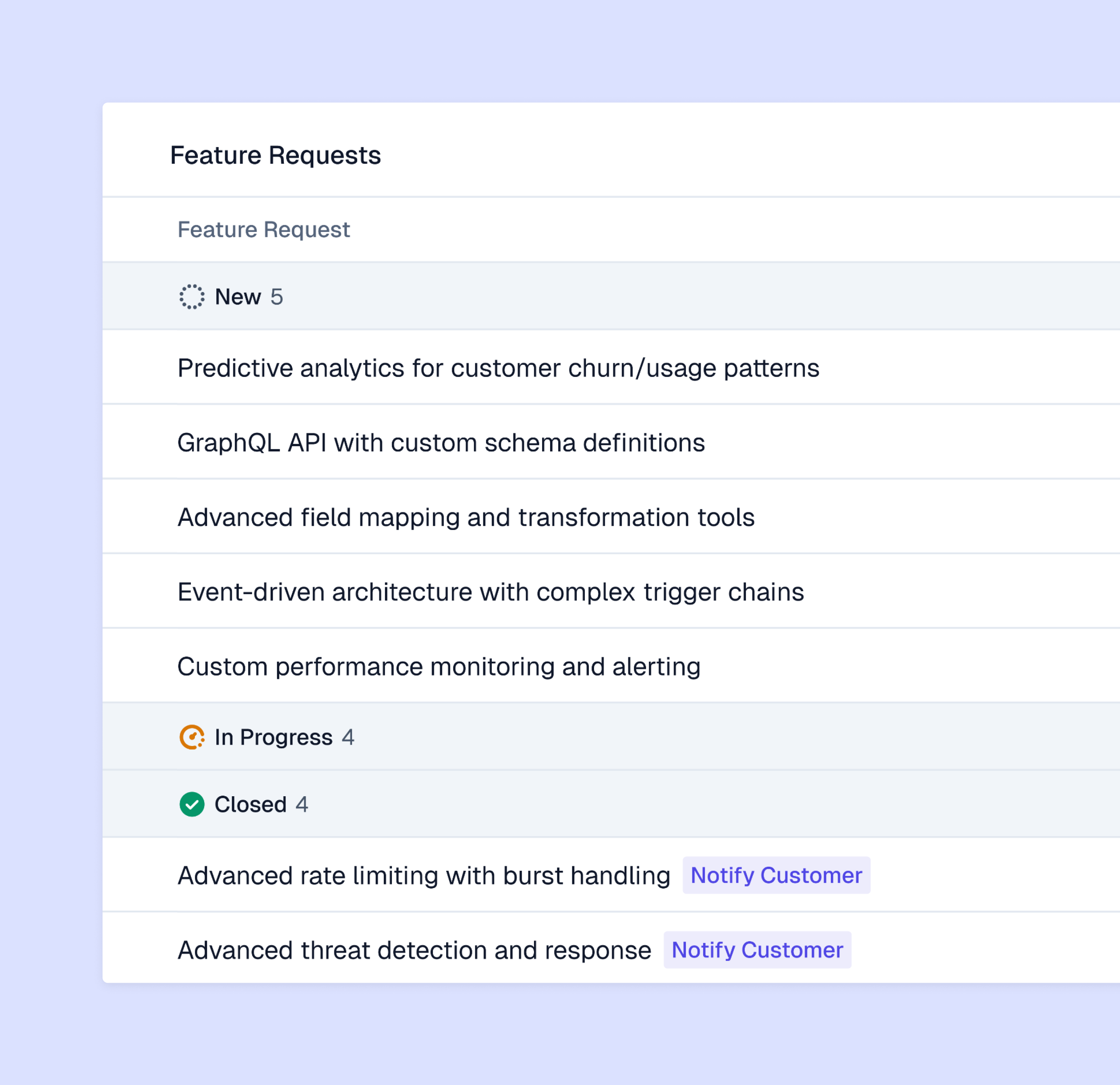
Teams can report on which escalated issues have an associated Devin PR and whether it was opened, merged, or closed. This gives them a way to measure how often Devin's work on escalations leads to a merged PR.
How we use it at Pylon
We've been using the integration on our own bugs daily. When an engineer merges a Devin PR, an internal note appears on the Pylon issue, so support gets the update without anyone posting it separately.
“When I get tagged in bugs daily and merge my PRs, I don't have to say anything. The ticket just shows messages from Devin saying the PR was merged. It closes the loop for me.”
Franz Heller, Solutions Engineer, Pylon
See it in action
See how to start Devin sessions from Pylon and set up workflows around session and PR updates in a walkthrough with our team.