
Intentional customer success management is a way to build personal relationships with each customer, so they reach their goals with your product/service. This strategy helps customers stay engaged with your company and feel supported across the customer lifecycle. And in turn, post-sales teams typically gain long-term loyalty and prevent churn.
This article covers what CSM stands for in business, skills to look for in a customer success manager, and how to carry out an effective customer success management strategy.
CSMs are the team members who directly carry out customer success management strategies. They onboard new customers and regularly check in with them. CSMs help customers get the value they want out of your product or service — so they’re more likely to engage with your platform and recommend you to others.
A good CSM keeps customers engaged, identifies ways to add value for the customer and the company, and addresses any potential problems before they escalate. For example, if a CSM notices user activity has decreased in the last month, they can reach out to offer support before the customer reports any concerns. This proactive approach can resolve small problems before they snowball into customer churn.
Customer success and customer support teams are both important for maintaining customer satisfaction, but their daily roles are different:
CSMs’ and account managers’ roles look very similar, but focus on different parts of the customer experience:

A CSM’s main responsibility is to help your customers achieve their goals with your product, which leads to more lifetime value and a lower chance of customer churn.
Here are a few key responsibilities of a customer success manager.
A report by Gainsight showed that 63% of customers compare the strength of your customer success team during onboarding to their other experiences — and your competition — as they move through the funnel. This can affect their purchasing decisions and renewal chances later.
CSMs help customers overcome usage barriers and draw new benefits from your product, like ways your omnichannel support software could also improve their customer relationships. Churn happens when users don’t find value in your product, so regular conversations with your CSM can be the difference between a renewal and a cancellation.
CSMs work with account managers to upsell and cross-sell new features and products to existing customers by keeping an eye on their business goals. Customers generally feel understood when a CSM recommends something new that actually helps them. This builds trust and an even better relationship.
CSMs often have the most facetime with your customers, which means they’re more likely to receive honest feedback. A good CSM tracks how customers are actually using your product, identifies potential issues, and gathers new feature ideas that could improve customer satisfaction.
An important part of any growth strategy is to keep the customers you already have. Strong customer relationships help accounts see more value in your company. It can also lead to a better reputation when they share their positive experiences with prospects.
CSMs regularly meet with customers to make sure they're happy with your services. An effective CSM monitors accounts to identify potential issues before they become support tickets and looks for ways to improve customer ROI.
Monitoring customer renewal cycles and long-term loyalty scores can help CSMs catch red flags quickly. Your customer success team should keep close track of contract expiration dates and follow up early for successful renewals.
Here are 6 skills CSMs need to succeed.
The better the CSM understands your product, features, and target user, the better equipped they are to onboard customers and guide their success.
Part of a CSM’s job is tracking customer metrics to find friction points, whether or not the customer reported it. If a customer’s product usage begins to slow or they stop logging into the platform, an effective CSM will reach out to offer support, training, and an empathetic ear.
A lot of the time, strong critical thinking and problem-solving skills can solve the issues that lead to weak customer success metrics. To problem-solve well, CSMs need to actively listen to customers, identify feedback for technical teams, and suggest solutions that actually benefit the account.
Evaluate potential new CSMs on how they communicate both with customers and across your company. Since CSMs are customer-facing, they should be able to speak and write well enough to build customer trust. Poor communication can lead to misunderstandings, frustration, and lower satisfaction rates.
An effective CSM will listen openly to customer concerns without getting defensive, work in tandem with other teams to find a resolution, and gather customer feedback to keep the same thing from happening again. They also advocate for customer needs within your company, so they need to bring empathy and emotional intelligence to your business goals, too.
CSMs’ collaboration skills have a big impact on how feedback is shared and acted on. For example, since CSMs gather direct feedback from your customers, they can help engineering teams prioritize features that will actually impact customer retention.
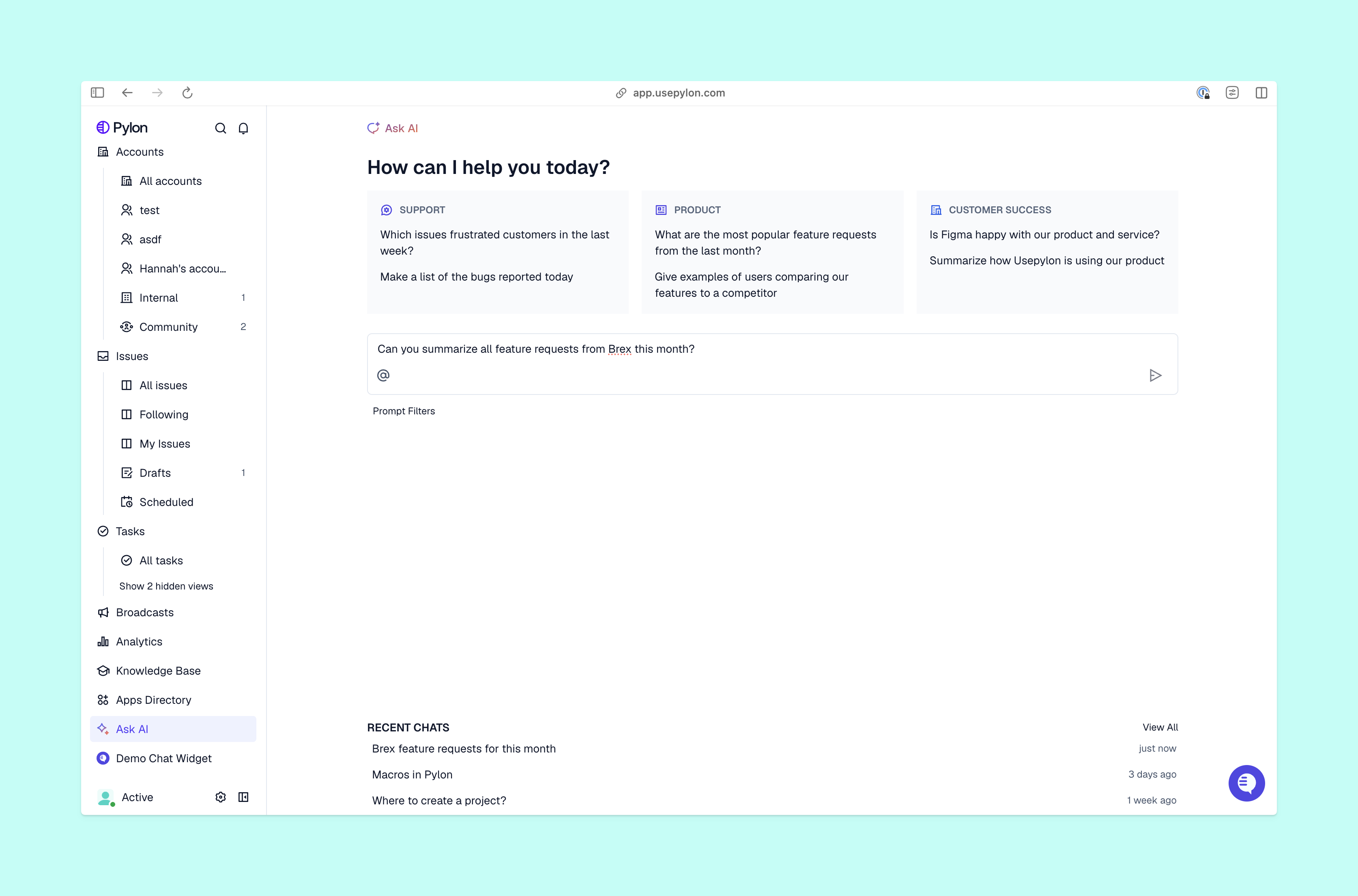
Here are a few ways to improve customer satisfaction and reduce churn through your customer success management strategy.
As you onboard each customer, find out what success means to them, how they plan to use your service, and how you can help them achieve their goals.
Identify important touchpoints throughout the customer journey, like contract signing or first product use. Then make a note of any challenges customers could run into, and plan how your team will address them. Each of these intentional moments of connection with the customer builds trust and is an opportunity to offer guidance and education. This applies both to new customers and accounts you’ve been working with for years.
Pay attention to key customer success metrics like health scores, net promoter scores (NPSs), and customer satisfaction scores (CSATs) to catch issues before they escalate.
Keep critical customer feedback from getting lost by building feedback loops throughout your company. Make sure customer feedback — both positive and negative — is accessible in your customer support software so everyone stays on the same page.
Regular communication from customer success is the best way to keep customers engaged. Check in with customers often to educate them on new features, identify upsell opportunities, and help them problem-solve before they submit tickets.
Take work off your support team’s plate by adding AI to your workflows. Conversational AI agents give automated responses to common questions and status updates, while AI assistants can reduce manual work by suggesting relevant resources from your knowledge base. Automations can also detect downward trends in customer satisfaction that tell your CSM it’s time to check in.
Companies that prioritize customer satisfaction are more likely to have higher customer success scores, according to a 2022 report by Gartner. Regularly talk to your accounts, listen to customer feedback, and train your team members in skills like communication and emotional intelligence, so everyone works toward the same goal — a great user experience.
Customer success management is an essential part of keeping your customers happy. Pylon’s AI Agents and Assistants can help your support team quickly route issues, fill knowledge gaps, and draft customer replies, then give your CSMs insights on account health.
Pylon is the modern B2B support platform that offers true omnichannel support across Slack, Teams, email, chat, ticket forms, and more. Our AI Agents and Assistants automate busywork and reduce response times. Plus, with Account Intelligence that unifies scattered customer signals to calculate health scores and identify churn risk, we're built for customer success at scale.
A good CSM is proactive and empathetic, has strong communication and customer data analysis skills, and is focused on driving long-term customer value.
Most CSMs enter the role through experience in customer support, account management, onboarding, sales, or operations. Developing strong communication, product knowledge, and customer relationship skills is key.
CSMs focus on long-term value, product adoption, and retention, while account managers typically handle contracts and other commercial conversations. There’s often overlap between the roles, so many CSMs also drive renewals and support revenue expansion efforts.
Customer support is reactive, responding to issues as they arise. Customer success is proactive to prevent problems, drive adoption, and make sure customers achieve their goals.
Pylon Workforce Management is available now. See it in action with a live demo.