
Customer support teams play an important role in building long-term partnerships. Research shows that 76% of customers would go out of their way to switch to a company known for outstanding customer support.
Building a customer support team means creating a scalable structure, hiring the right people, and equipping them with the best tools and systems for their jobs. This guide will break down how to plan a good customer support team for a SaaS company so you can set a foundation for happy customers and a strong reputation.
Your team should be built around a SaaS customer support strategy that’s tailored to your company’s long-term strategy. If you already have goals to become an enterprise known for its horizontal software and large customer base, you’ll need a support team structure with more flexibility than a niche startup. Consider how quickly you’ll need to grow to meet those goals, then pick a structure that can scale accordingly.
A scalable structure for a startup focused on close customer relationships might have two entry-level support team members who interact with customers first, a mid-tier support team member they report to, and a customer support manager who oversees the whole team. Then, as you scale, pair entry-level and mid-tier support members in small groups for easier management and mentorship.
Next, decide where you’ll offer customer support, like via email, an online chat widget, and Slack, based on the channels your prospects prefer. An omnichannel support system can help your team keep track of everything in one place, which will be important as you grow.
Plan a customer onboarding process, and think about the types of support they’ll need at different stages of the customer lifecycle. Will they need more help getting all their employees registered, or are they migrating a large knowledge base you’ll need other tools to automate?
Set clear expectations in your service level agreements (SLAs), like how quickly you aim to respond to queries and resolve issues, and the customer support KPIs you’ll track to measure success. These goals align your team on what’s expected of managers and customers.
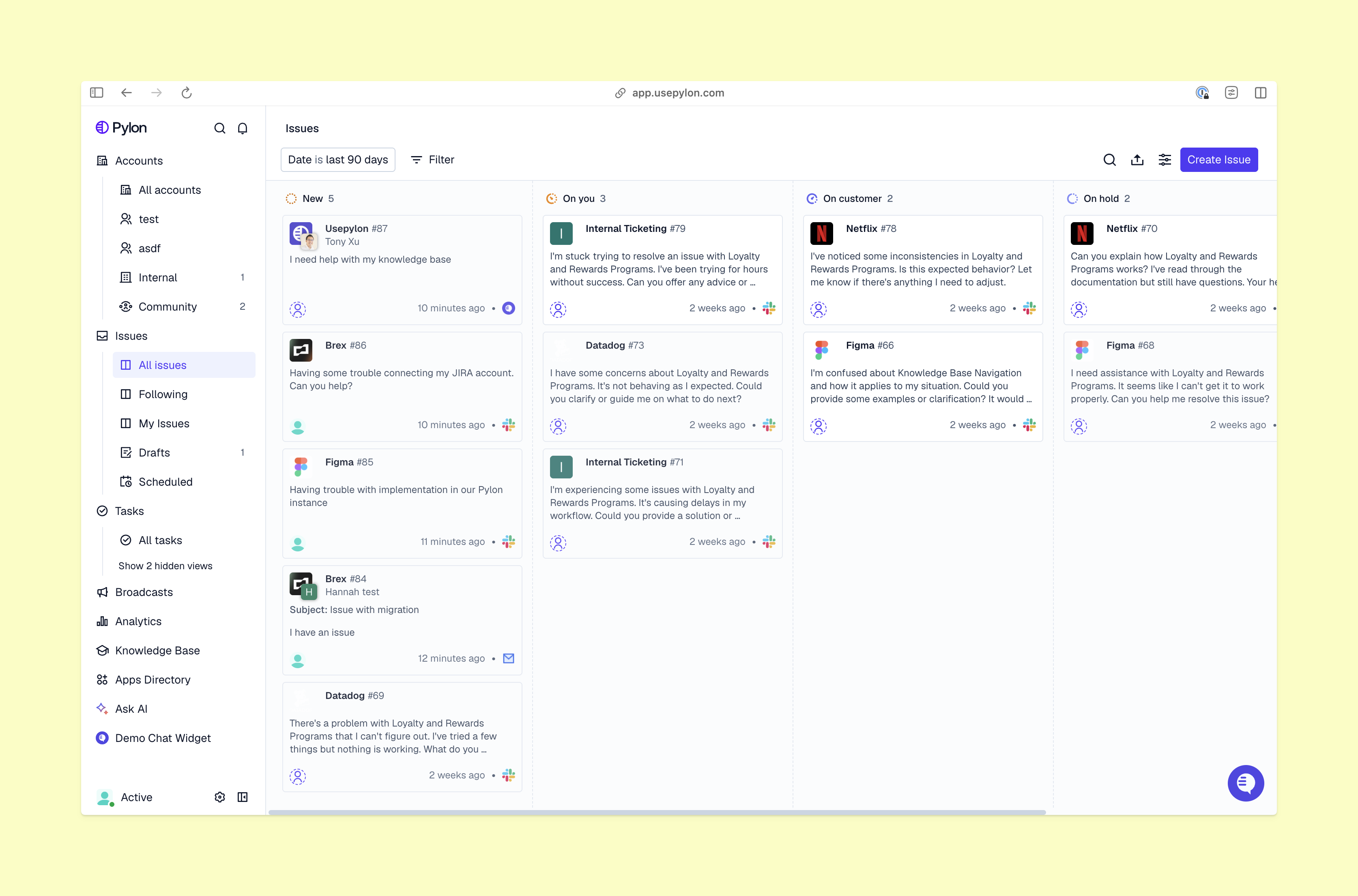
You need a support team that can handle the demands of a growing B2B company. Choosing the right team structure from the start can help you avoid an inconvenient restructuring process in a few years.
Here are some common support team structures you could use:
Each team structure has pros and cons, so make your choice based on your company’s individual situation. The goal is to use a structure that best supports your customers’ needs and allows you to scale efficiently.
Whichever structure you choose, make sure you clearly define roles and responsibilities within your support team. Think about all the different types of support your customers will need, and define who will be responsible for each one. Your team should operate from a logical playbook so it’s clear what tasks belong to which team members. When you get a technical question about automating knowledge base migration, for example, a team member who’s familiar with that workflow should handle it.
It’s important to hire people who are ready to grow with your SaaS company and train them in the right skills to succeed in their roles.
If you’ve set your strategy and created a well-defined team structure with precise responsibilities, then you’ll have a clear idea of the roles you need to fill.
A B2B SaaS company’s needs are very different from a B2C’s. Instead of handling high volumes of simple, repetitive queries, B2B support team members need to build relationships with a core set of customers while guiding them toward successfully and independently using sophisticated software.
Look for candidates with strong customer support skills, even if they’ve worked in different roles in the past. For example, someone with technical engineering experience and excellent communication skills might be a better fit than someone who’s worked a customer support role in a consumer call center. The second candidate will have to learn the intricacies of SaaS as well as customer care over long interactions, but you’ll only have to teach role-specific skills to the first candidate.
B2B companies rely on building long-term partnerships for long-term success, so you need team members who can help you develop those relationships. Consider candidates with backgrounds in areas like customer success, where they’ve learned excellent communication and customer satisfaction skills.
To find the best team members, structure your interviews around common customer support scenarios for your company. Ask your candidates how they would handle these situations, and assess their responses against the list of skills they need for the role.
Your onboarding process should set clear expectations about the way you want your team to communicate with customers and teammates. Provide tools like a customer care policy, an internal knowledge base, and KPIs they can reference as they settle into the role.
When you have the right people in place, give them comprehensive training to further develop their skills. Review your team’s customer support metrics to identify skill gaps and arrange regular training to fill them and build other specialized customer support skills.
Talent development is also about more than training. Make sure that customer support managers regularly share feedback with their team, highlighting what they’re doing well and what they need to work on. Pair experienced and high-performing team members with newer ones, so they can pass on best practices and supplement formal training with mentorship.
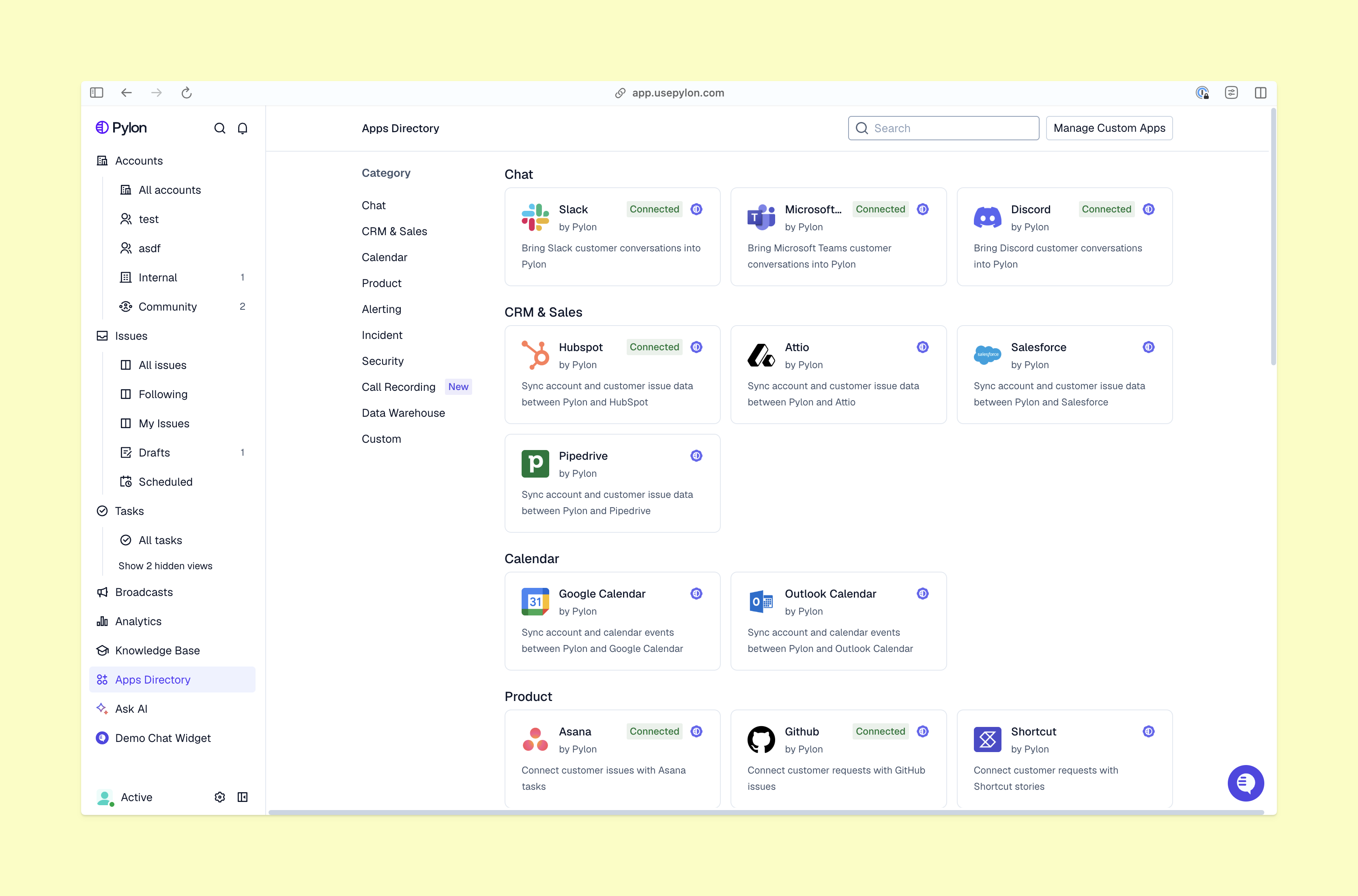
Here are some of the tools you can give your SaaS customer support team to help them communicate well and stay organized:
Choose your support tools wishlist, then find a platform that hits as many boxes as possible so you don’t have to constantly juggle several tools.
A great customer support team for a SaaS company starts with a well-defined strategy. Knowing what you need means you can hire a team of talented people and organize them in the right structure for your goals. That also means knowing what your team needs to do their job well. Make sure support team members have the right tools to build strong long-term customer relationships and scale well.
Pylon is the modern B2B support platform that offers true omnichannel support across Slack, Teams, email, chat, ticket forms, and more. Our AI Agents and Assistants automate busywork and reduce response times. Plus, with Account Intelligence that unifies scattered customer signals to calculate health scores and identify churn risk, we're built for customer success at scale.
There’s no fixed number. It depends on customer complexity, volume, and service model. Many SaaS companies start with smaller, highly skilled teams and scale based on account needs rather than ticket volume alone.
They should remain distinct but tightly aligned. Support focuses on resolving issues efficiently, while customer success focuses on long-term outcomes. Clear collaboration between both is critical for enterprise retention.
Typically, when customer volume increases, deal sizes grow, or support complexity rises. Specialization becomes valuable once generalists can no longer handle the depth or breadth of enterprise needs effectively.
Pylon Workforce Management is available now. See it in action with a live demo.