In B2B markets, customer service is more than just a support function; it’s a strategic driver of growth, loyalty, and long-term success. When businesses invest in exceptional service, they strengthen client relationships, reduce churn, and create opportunities for upselling and referrals.
B2B customer support teams face unique challenges. From supporting large contracts to navigating multiple stakeholders, the demands are high, and so are the expectations. As digital channels evolve, companies must deliver faster, more personalized, and scalable support experiences.
This article goes over actionable best practices for B2B customer service success and shows you how to build a support strategy that drives retention. We’ll also break down the key metrics every company should monitor.
B2B customer service refers to the support and relationship management a business provides to other businesses that purchase its products or services.
Unlike B2C, where service often focuses on high-volume, one-time transactions, B2B support is built around long-term, high-value partnerships. It often involves complex onboarding, in-depth technical assistance, and contract-specific service levels.
B2B customer service is more than just support tickets. It must meet the needs of multiple stakeholders, from end users to procurement and executive sponsors, and often requires customized solutions, faster issue resolution, and a consultative approach.
Strong B2B customer service drives long-term business value in several key ways:
Implementing B2B customer service best practices is essential for building strong client relationships, delivering consistent value, and scaling your support operations. These practices help reduce churn, create expansion opportunities, and strengthen your overall customer experience.
B2B relationships often involve multiple users and decision-makers with different priorities. Understanding each stakeholder's role, pain points, and communication preferences enables your team to deliver more relevant, helpful support.
Connect your CRM and help desk, use account profiles and past interaction history to tailor your approach. Personalized service builds trust and makes customers feel understood, not just supported.
Tips for personalization:
Fast responses matter, but thorough, effective answers are more valuable in B2B settings. Customers often have urgent or complex issues that require more than a quick reply.
Train your team to prioritize first-contact resolution and to take the time to understand the problem before offering a solution. High-quality service builds long-term confidence in your team’s expertise.
How to emphasize quality:
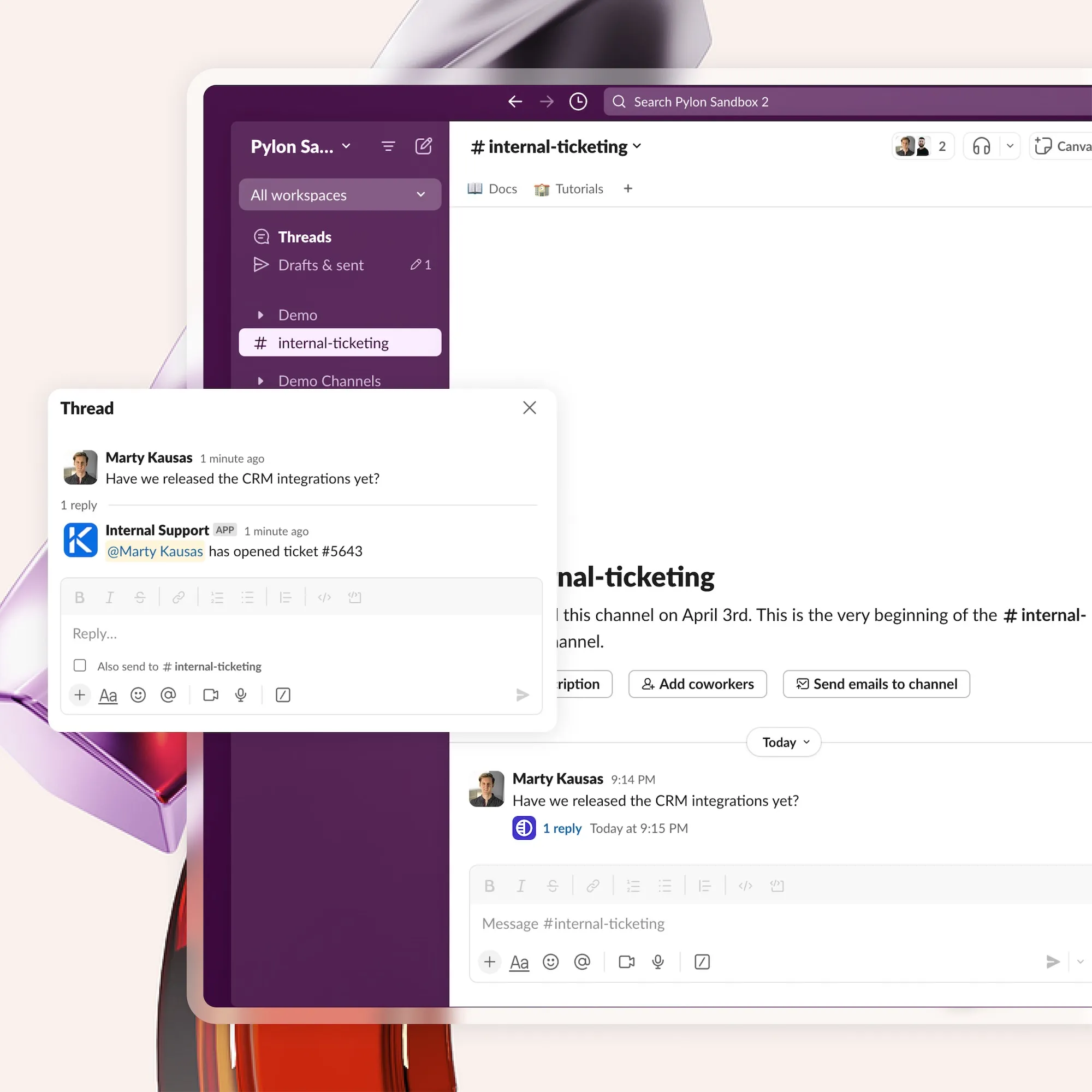
Today’s B2B customers expect support wherever they work, whether that’s via Slack, Microsoft Teams, email, chat, or phone. An omnichannel customer support strategy makes it easier for customers to reach you on their terms.
Using a unified platform, like Pylon, ensures that no messages fall through the cracks and that agents can respond consistently across channels.
Support channels to consider:
Not every customer question needs to go through a support agent. A well-organized knowledge base empowers customers to solve problems themselves, reducing ticket volume and improving satisfaction.

Create searchable, structured content for your most common questions and workflows. Tools like Pylon’s knowledge base let support teams publish and update content with ease, right from the same place they manage tickets.
To make knowledge base articles effective for self-service:
Don’t wait for customers to complain. Reach out with check-ins, product updates, or success tips that anticipate their needs. Being proactive shows you’re invested in their long-term success.
When customers do share feedback, take it seriously and follow up. Closing the loop builds trust and helps turn complaints into opportunities.
Ways to close the loop:
Agents can’t deliver great service without the tools, context, and authority to act. Equip them with internal documentation, cross-functional visibility, and workflows that support autonomy.
B2B service also requires alignment between sales, product, and support. Make sure handoffs are smooth and that account context is accessible.
Empowerment strategies:
AI customer support tools can streamline ticket routing, surface relevant documentation, and even draft responses. They reduce the manual load on your team and speed up service without sacrificing quality.
Solutions like Pylon’s AI Agents assist agents by suggesting articles, detecting intent, and automating tagging, helping teams scale faster while maintaining accuracy.
AI use cases:
Building a successful B2B customer support strategy takes more than implementing tools; it requires thoughtful planning around your customers’ needs, internal resources, and long-term growth. Each step in this process contributes to a scalable, responsive service model that keeps customers loyal, drives renewals, and improves internal efficiency.
A strong strategy combines proactive service, cross-functional collaboration, and clear accountability. By following the steps below, companies can build a support foundation that aligns with the complexity of B2B relationships and evolves with customer expectations.
The first step in designing a B2B support strategy is deeply understanding who your customers are and what they need.
Unlike B2C, B2B customers often consist of multiple stakeholders with different roles and goals, such as admins, end users, and decision-makers. Understanding the full organizational structure and how each stakeholder interacts with your product is key to delivering personalized support.
Segmentation helps make this manageable. Group customers by size, industry, business model, or maturity level to tailor your messaging and prioritize your efforts. Analyze product usage and ticket trends to identify common support needs. Do your customers prefer Slack for quick answers, or do they want structured email updates and regular check-ins?
Ways to understand customer needs:
With customer understanding in place, the next step is setting clear, measurable support goals. These should align with broader business objectives, such as increasing retention, boosting customer satisfaction, or expanding revenue through better service.
Establish a few core KPIs that reflect both speed and quality. Quantitative metrics like First Response Time (FRT) and Service Level Agreements (SLA) adherence ensure responsiveness, while qualitative metrics like Customer Satisfaction (CSAT) and Customer Effort Score (CES) measure the user experience. It’s important to report on these KPIs regularly, share results with the team, and iterate your processes based on findings.
Sample KPIs to track:
Today’s B2B buyers expect support across multiple channels, and they want it wherever they already work. Offering omnichannel support is no longer a nice-to-have; it’s essential for responsiveness and engagement. That means embracing real-time messaging platforms like Slack or Microsoft Teams, alongside traditional options like email, chat, or phone.
However, channel selection should be intentional. Not every business needs a phone line, and not every conversation belongs in Slack. Consider your team’s capacity, your customers’ preferences, and the complexity of your product.
How to choose service channels:
Not every customer requires the same level of attention, and trying to treat all accounts equally can overwhelm your team. A tiered support model helps allocate resources based on customer value, product complexity, or service contract terms. It also makes it easier to scale support as you grow.
Tiers can include different response time expectations, access to dedicated support managers, or even support hours. SLAs (service-level agreements) can help formalize these commitments. Define escalation paths for high-priority issues and make sure every agent understands the rules.
Support tier components:
Even the best strategy will fail without empowered agents behind it. Support teams need more than tools; they need context, autonomy, and confidence to resolve issues independently. This means giving them full access to customer history, product documentation, and internal subject-matter experts.
Training and onboarding should cover both technical and soft skills. Encourage agents to take ownership of the customer experience, not just ticket resolution. Internal collaboration tools, like Pylon’s shared inbox and internal notes, help agents work cross-functionally without switching systems.
Empowerment tactics:
A robust knowledge base is one of the most effective ways to scale B2B support. It reduces repetitive tickets and gives customers the autonomy to solve problems on their own. The key is to create a searchable, structured system that evolves with your product and customer needs.
Start with high-impact content like “how-to” guides, troubleshooting steps, and onboarding flows. Assign ownership of each article to someone on your team and schedule regular reviews to keep everything current. Use tools like Pylon to track article views, identify gaps, and collect user feedback.
Knowledge base tips:
Listening to customers is essential, but acting on their feedback is what sets great teams apart. Feedback loops should be built into your support workflow, from post-interaction surveys to quarterly account reviews. But it doesn’t stop there; closing the loop means sharing outcomes and showing customers that their input matters.
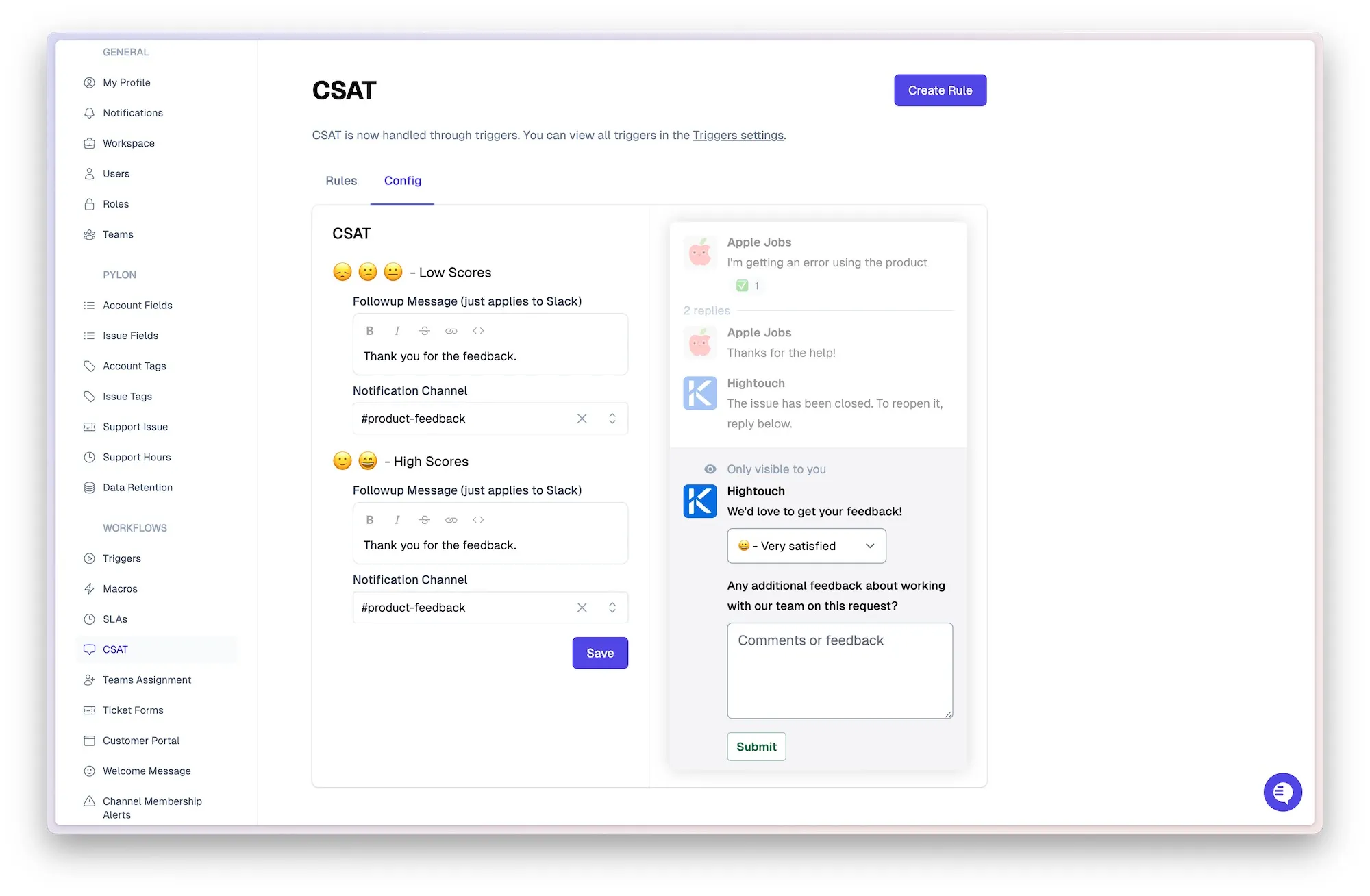
Use survey tools (CSAT, NPS) and open-text feedback from tickets to identify recurring issues or friction points. Then, escalate this feedback to the product, design, and leadership teams. Share updates with customers when their suggestions lead to product or process changes.
Ways to close the loop:
Your customer support strategy is only as effective as the tools you use to implement it. B2B teams need platforms that can centralize communication, automate workflows, and provide real-time insights. Whether you’re handling dozens or thousands of accounts, choosing scalable, flexible software is essential.
Look for platforms that support omnichannel conversations, integrate with your CRM, and provide a powerful knowledge base. Tools like Pylon are designed specifically for B2B service teams, combining conversational support, AI automation, documentation, and reporting into one cohesive workspace.
What to look for in support software:
Features to prioritize:
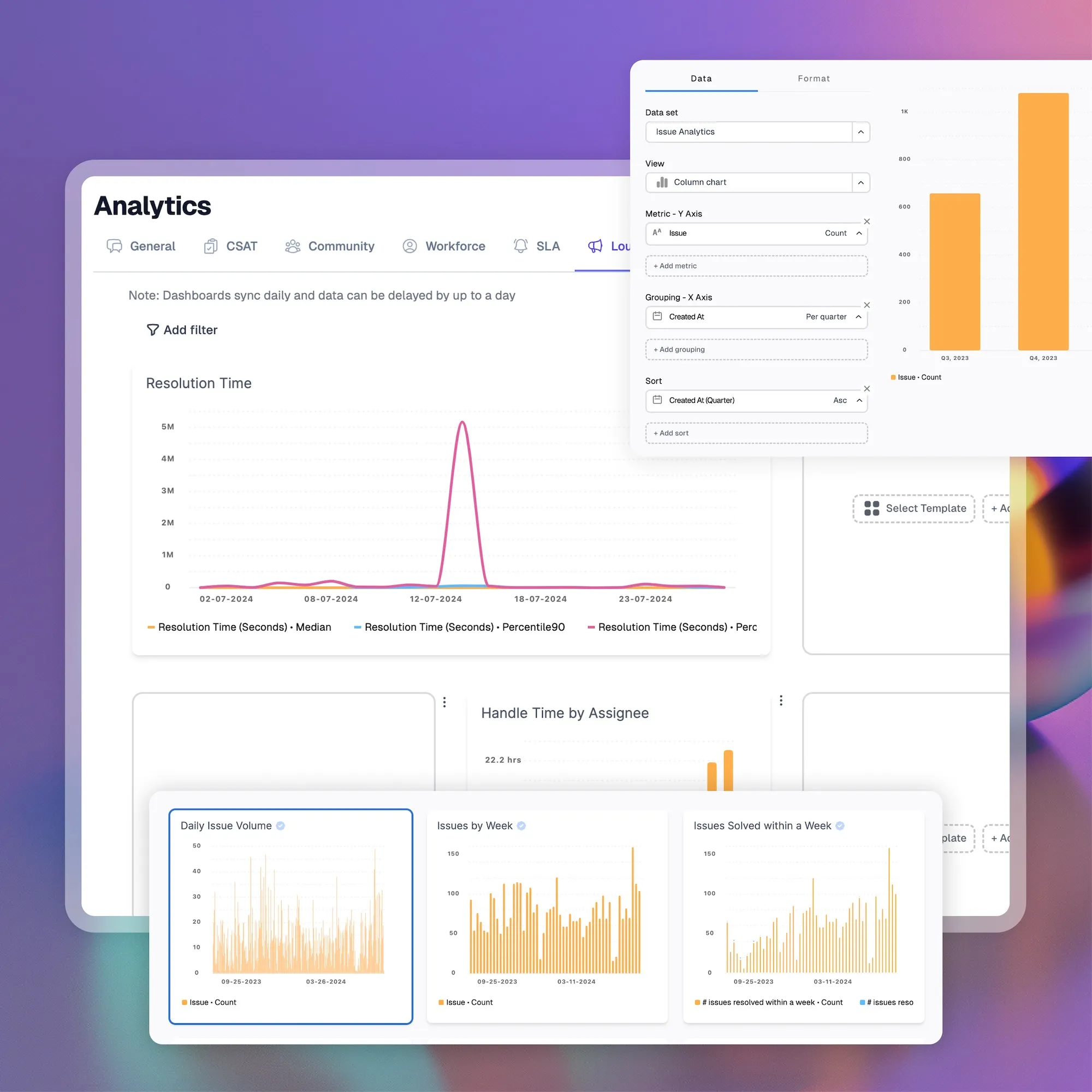
Measuring your B2B support strategy is critical to understanding what’s working, where improvements are needed, and how service impacts the overall customer relationship. By tracking key performance indicators (KPIs), you can identify bottlenecks, assess team performance, and tie support outcomes to revenue and retention goals.
Here are the essential metrics to monitor:
Support metrics should be reviewed regularly, segmented by customer tier or channel, and shared across teams, especially sales, customer success, and product. Tools like Pylon’s analytics dashboard help B2B teams surface trends quickly and adjust their strategy in real time.
Pylon is built specifically for modern B2B teams that need to deliver high-quality, scalable support across multiple channels and stakeholders. Its platform brings together conversational ticketing, a powerful knowledge base, and automation, making it easier for teams to collaborate and for customers to get the help they need.
Here’s how Pylon enables great B2B customer service:

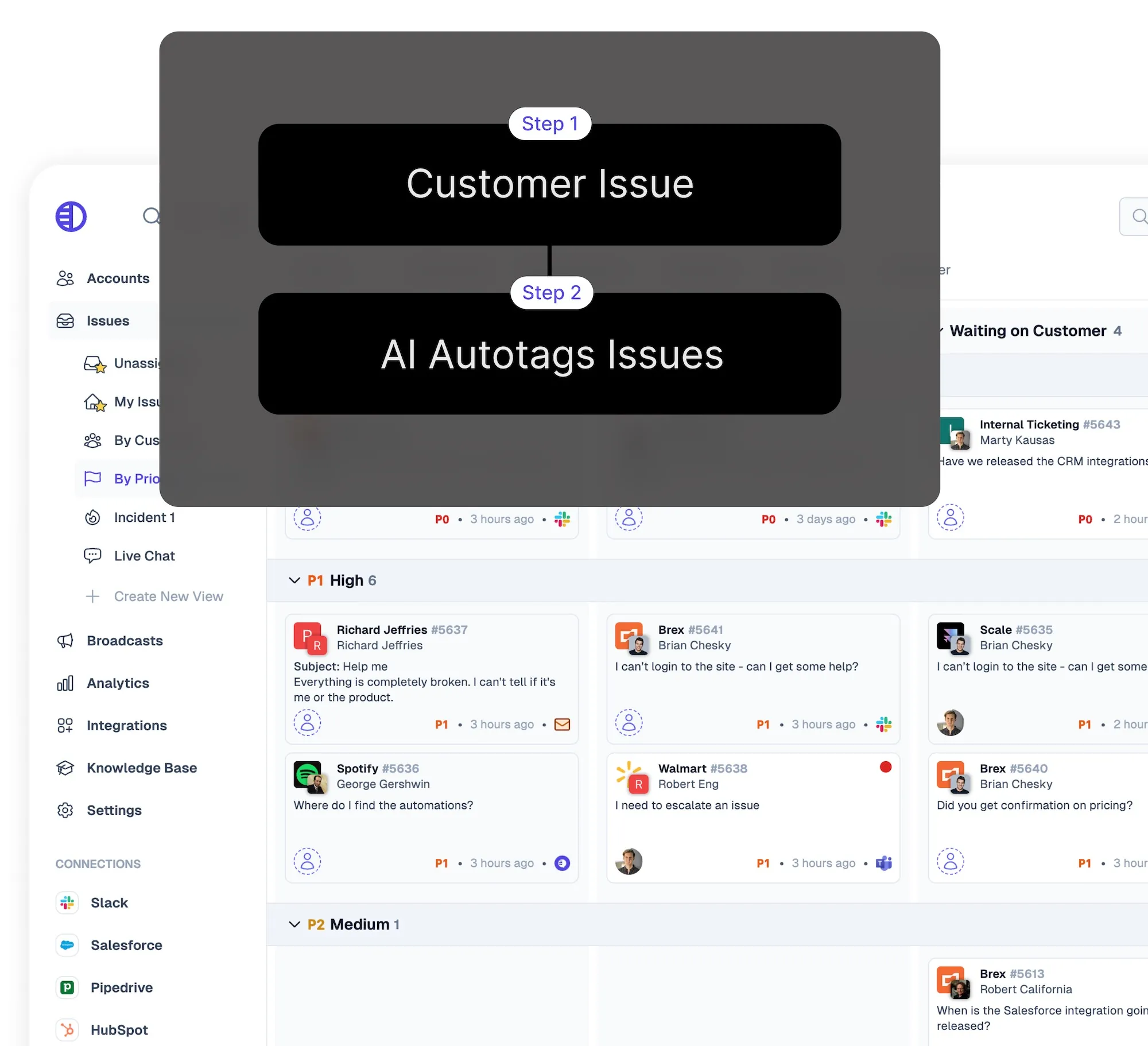
With Pylon, B2B companies can support complex customer relationships at scale, without sacrificing the quality or personalization that today’s buyers expect.
Pylon Workforce Management is available now. See it in action with a live demo.