
As ticket volume grows and your team expands across more channels, it gets harder to keep everyone aligned. Individual team members start to optimize for different outcomes. Daily workflows drift. And customers get inconsistent experiences based on who picks up their ticket. The fastest way to fix these problems is to set clear customer support goals.
This article provides a practical blueprint to help you set goals that stick, plus concrete examples of customer support goals you can implement this quarter.
Customer support goals are specific, measurable objectives that turn broad CX ambitions into actionable targets with clear owners and timeframes. Think of them as the guardrails that keep day-to-day ticket management aligned with business outcomes across every touchpoint your team manages, whether that’s email, chat, or a shared inbox.
The main distinction here is between the purpose of support and the goals you set to get there. The purpose is directional: keep customers happy, build long-term relationships, and reduce churn. Goals are the measurable levers you pull to move the needle in that direction.
This matters because without measurable goals, you’re left with guesswork. “Be more helpful” is too vague to act on. But “get CSAT score from 78% to 85% by the end of the quarter” gives clear direction.
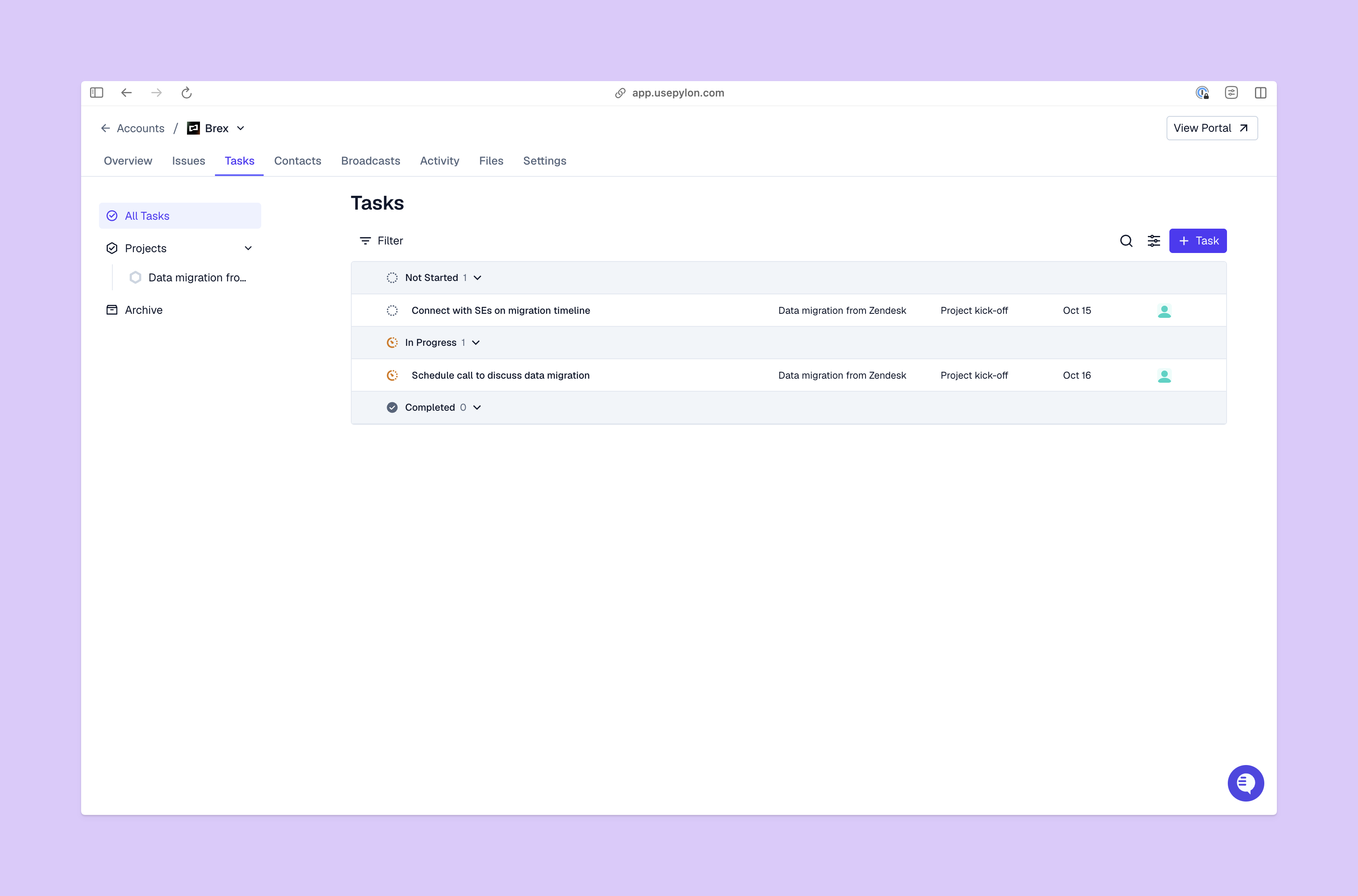
Here’s a scenario that plays out in most B2B support teams as they scale: One subgroup optimizes for speed, closing tickets fast to hit response time targets. Another subgroup optimizes for thoroughness, spending extra time on each issue to make sure it’s fully resolved. Both approaches have merit. But without shared goals, customers receive inconsistent experiences.
As ticket volume rises, new hires join, and channels multiply, that inconsistency compounds. Clear targets give everyone the same direction and solve the problem at the root.
Here’s what goals give you at scale:
Individual goals also complement team goals. When personal development targets connect to the team’s broader objectives, progress becomes easier to measure and coach.
This is why examples of customer support goals for performance reviews often include measurable KPIs. They show how individual improvements support team direction. A goal to cut FRT from 4.2 to 2.8 helps the team hit its shared speed target and gives a team member a clear path to stronger performance and growth.
SMART objectives for customer support turn broad CX intentions into clear goals teams can execute. They prevent vague expectations that no one can act on and avoid aggressive targets that burn teams out.
Here’s how each element of the SMART acronym applies to support operations:
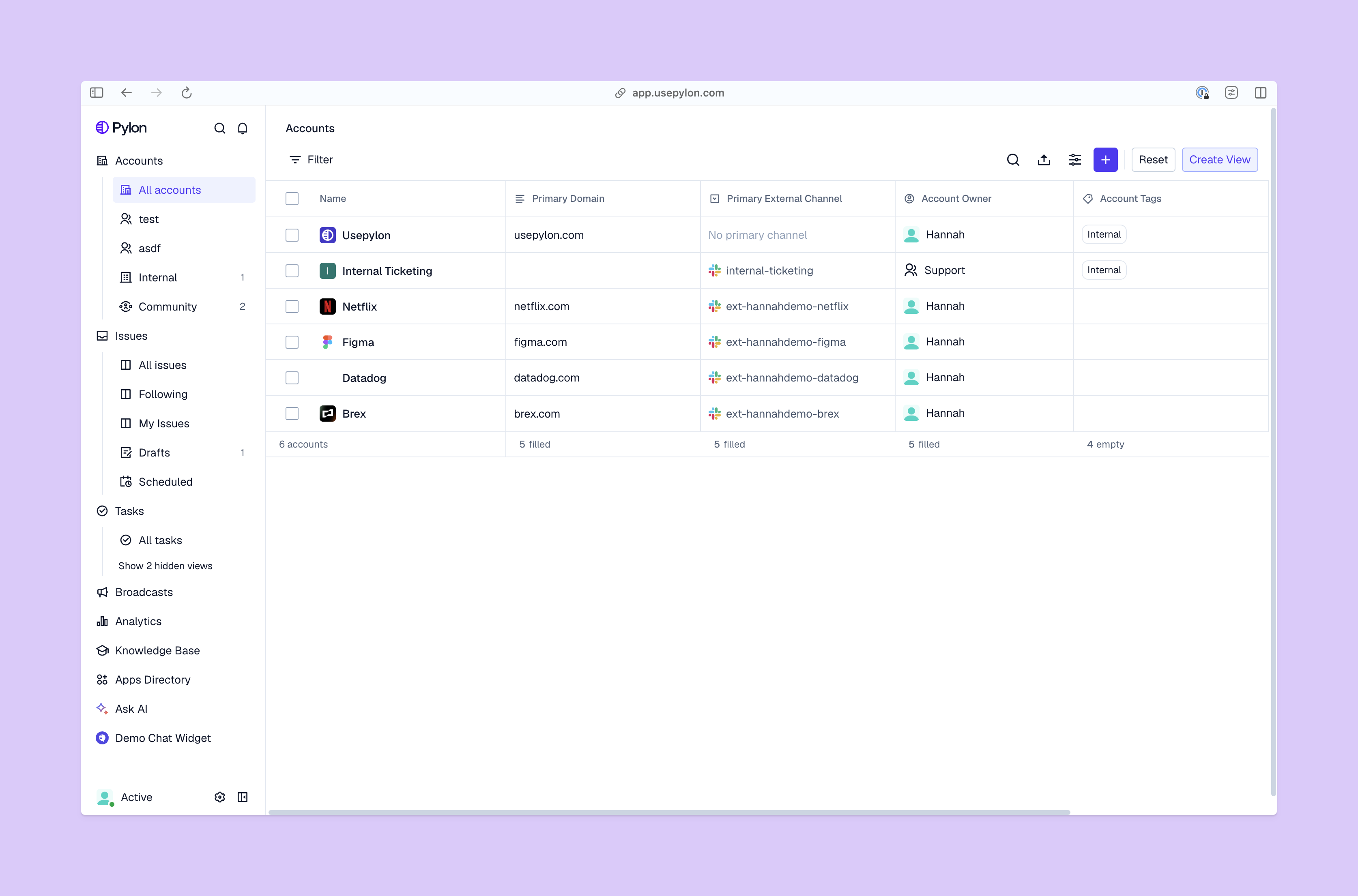
The strategy is to set goals. To execute this across multiple channels is the operational challenge. The right tools reduce the “swivel-chair” work that happens when you switch between platforms. They also prevent duplicate replies and improve queue hygiene as volume grows.
When you evaluate tools, anchor your decision to the customer support KPIs you want to improve. Here’s a framework to help assess key capability areas:
| Capability | What it is | Why it matters at scale | KPIs it moves | Implementation notes |
|---|---|---|---|---|
| Unified inbox across channels | A single view of tickets from Slack, email, chat, and ticket forms | Prevents missed messages and duplicate replies as channel volume grows | FRT, backlog age vs. SLA | Choose tools that unify data, not just display |
| Account context in the conversation | Customer health, history, and tier shown in the ticket view | Prioritizes and personalizes without switching tabs | CSAT, FCR, AHT | Look for tools that surface account data from your CRM without manual input |
| Workflow automation and routing | Rules that categorize, tag, and assign tickets based on content, channel, and account tier | Eliminates manual sorting and ensures the right expert gets the right ticket | FRT, AHT, SLA compliance | Automate your highest-volume ticket types first |
| Knowledge base and response templates | A searchable internal library of approved answers | Reduces handle time and improves consistency | AHT, FCR, quality variance | Keep content updated to avoid confusion |
| Reporting dashboard for KPIs | Real-time and historical metric views | Gives managers data for proactive coaching | All core KPIs | Prioritize dashboards that let you filter by channel and account tier |
| Feedback collection loop | Automated CSAT or NPS surveys triggered after interaction | Shows how customers experienced the interaction | CSAT, NPS | Set up surveys at the right moment. |
The right platform ties all of these capabilities together so teams execute their goals across every channel without friction. When your systems enable clean handoffs, accurate data, and consistent workflows, it becomes more realistic for teams to hit operational targets. Review your customer success practices alongside your tool choices to ensure everything supports the broader retention outcomes leadership cares about.
Once you set goals, you need to build the operational infrastructure to hit them consistently across every channel, team member, and account tier. That’s where the right platform makes the difference between goals that stick and goals that get abandoned by week three.
A customer care policy sets the standard. The customer success playbook defines the plays. And your support platform is what makes both executable at scale.
Pylon is the modern B2B support platform that offers true omnichannel support across Slack, Teams, email, chat, ticket forms, and more. Our AI Agents and Assistants automate busywork and reduce response times. Plus, with Account Intelligence that unifies scattered customer signals to calculate health scores and identify churn risk, we're built for customer success at scale.
The goal of customer support is to assist customers when they contact you and resolve any problems as quickly as possible.
In B2B support, common goals include a reduction in response times, improvement in resolution rates, and increase in customer satisfaction.
Key skills to resolve complex B2B issues efficiently include: communication, problem-solving, empathy, product knowledge, adaptability, time management, and cross-team collaboration.
Core KPIs include first response time, resolution time, CSAT, ticket volume, and backlog. These help B2B teams measure efficiency and scale operations with better visibility.
B2B customers want fast responses, personalized support, and consistent communication. They also expect seamless omnichannel experiences across tools like chat, email, and Slack.
Pylon Workforce Management is available now. See it in action with a live demo.