Updated January 7, 2025 | 9 min read
In 2023, over 100,000 companies were using Slack Connect for external conversations — so B2B teams are increasingly offering Slack support to meet customers where they are.
But without structured tools or processes, it's nearly impossible to scale. If you're planning to support dozens or hundreds of customers over Slack, you need a ticketing system.
Slack ticketing systems turn your Slack conversations into trackable support tickets, so your team can manage customer requests without jumping between tools. We'll walk through how Slack ticketing works, which features you need to scale, and how to set up a system that grows with your support volume.
A Slack ticketing system turns Slack conversations into trackable tickets that sync to your support platform. When a customer sends a message in Slack, it becomes an issue with status, priority, and assignment — just like traditional emails or ticket forms.
This means instead of jumping between Slack and a separate help desk, or manually monitoring customer channels, teams can track all conversations directly in their support platform.
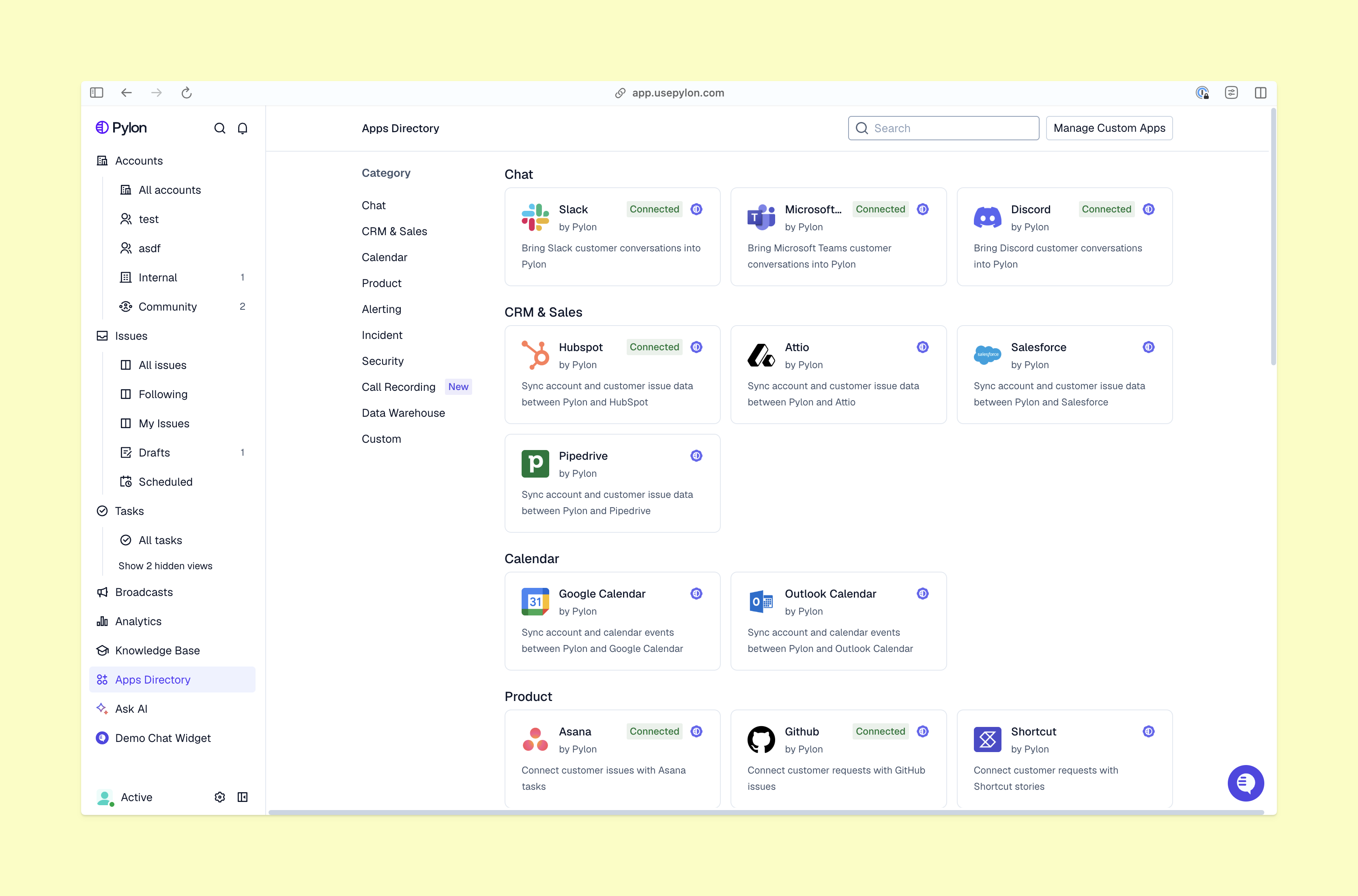
At a basic level, ticketing systems sync incoming Slack messages from customers, turn them into support issues, assign them to a team member, then track them until resolution. All conversations sync bidirectionally between your support platform and Slack.
Here are some of the other workflows you can set up to manage Slack support.
Most systems automatically create tickets when customers post in designated support channels. Some also let you manually convert any Slack message into a ticket, using slash commands like /create-ticket or an emoji reaction like 🎫.
Each ticket includes the original message, gets tied to the right account, and syncs messages from the rest of the conversation thread.
Once there's a ticket, you can set up routing rules to assign it to team members. For example in Pylon, you can create triggers to automatically assign Slack tickets based on account tier, issue type, or severity.
Slack messages from enterprise customers might go to senior support team members, or messages about platform issues go straight to technical support. This way, messages get to teams with the right expertise.
Platforms with native Slack support also track how long each ticket stays open, and you can typically set up automated notifications to alert you to SLA breaches. They'll also automatically track metrics like first response time and total resolution time for tickets from Slack.
If you're planning to grow your Slack support, there are a few steps you can take to plan. Here's our suggested framework.
First, pick a platform that integrates natively with Slack. You'll want a solution where messages sync both ways between Slack and the support system — so you won't miss any customer conversations.
Make sure to choose a tool that works with your other customer channels, too. If you also offer B2B support over email, live chat, Telegram, and more, you'll want an omnichannel platform that brings everything into a single view.
Create dedicated Slack Connect channels for customers to reach you. Many teams have specific naming systems to track all their accounts, like #ext-company or #customer-company.
Decide whether you'll make these channel public for your whole organization, or private for select customer-facing team members. Public channels will let your entire team learn from customer interactions, but private channels protect confidential customer information.
In your support platform, define rules for triage, routing, and tagging — and configure automations for these workflows. Which team members should get assigned to different Slack tickets based on customer tier, issue category, or current workload? How should your support platform categorize messages that come in from Slack?
You can also set up escalation alerts for Slack issues that your team hasn't responded to within a certain timeframe.
Walk your team through the Slack support workflow. Show them how to claim unassigned tickets, update issue status, and use Slack threads to collaborate.
Make sure everyone understands your channel structure and routing rules, so they know where to track and find tickets from Slack.
As your ticket volume grows (from Slack or other channels), you'll want a support platform that can keep up. Here are a few key features to look out for.
It's likely that not all your customers use Slack. Some might prefer emails, others use your chat widget, and some are used to submitting tickets through a support form.
Modern omnichannel systems bring all these channels together so every customer conversation flows into a single interface. Customers can reach out however they'd like, but your team manages those interactions from one place.
With Pylon, you can natively support customers across Slack, Teams, email, chat, ticket forms, and more.
AI agents handle repetitive tasks so your team can focus on providing white-glove support and troubleshooting the most complex issues. AI automatically tags tickets by category, suggests responses based on previous support interactions, and routes issues to the right team members.
Every support conversations contains critical signals about customer satisfaction, sentiment, and health. When a customer repeatedly reports a bug or mentions cancelling their contract, those are early warnings for your customer success team to act on.
If you connect your support data to your customer success strategy, you can step in before customers actually churn. Pylon's Account Intelligence unifies scattered customer signals from support tickets, usage data, and live customer call recordings to calculate health scores and monitor churn risk. This helps you proactively reach out to at-risk accounts instead of reacting after they've already decided to leave.
You'll want visibility into ticket volume trends, response time averages, resolution rates, and individual team performance — across Slack issues and your other channels. This data helps you identify bottlenecks in your support process.
Look for systems that let you filter analytics by customer segment, issue type, or time period. This shows you exactly where your team is doing well and where you can improve.
As your customer base expands and you support more customers over Slack, you'll want to set up processes to keep it sustainable for your team. Here are a few best practices for scaling Slack support.
Define exactly when and how tickets get escalated to senior team members or specialists. Clear escalation workflows prevent important issues from getting stuck with someone who doesn't have the expertise to resolve them.
You might escalate based on customer tier, severity, or issue type. When a ticket meets your escalation criteria, it should automatically get reassigned and flagged for urgent attention — you can configure automated workflows in your support system to do this for Slack issues.
Make sure ticket statuses and tags are accurate. Good ticket hygiene makes your reporting reliable and prevents your team from wasting time on outdated information.
Set up automated reminders for tickets that are still open, but haven't been active for a while. These nudges help your team follow up on issues that might have fallen through the cracks.
Integrate your Slack ticketing system with your CRM, data warehouse, and product management tools. This creates a shared system of record where support tickets inform your retention strategy and customer conversations inform how you provide personalized support.
When your entire post-sales org shares one platform, your support team's insights about customer pain points can directly influence how customer success managers prioritize accounts. Meanwhile, customer success context helps support provide more relevant, personalized help to each account.

B2B customers increasingly expect support where they already work — for many teams, that's Slack. But as your customer base expands, you need a structured platform to manage and scale Slack support.
Pylon is the modern B2B support platform that offers true omnichannel support across Slack, Teams, email, chat, ticket forms, and more. Our AI Agents & Assistants automate busywork and reduce response times. Plus, with Account Intelligence that unifies scattered customer signals to calculate health scores and identify churn risk, we're built for customer success at scale.
Slack ticketing systems use automation, routing rules, and AI to distribute tickets efficiently across your team. Features like bulk actions, ticket queues, and automatic prioritization help teams manage volume without getting overwhelmed or missing urgent issues.
Omnichannel support platforms let you manage tickets from Slack, email, chat, and other channels in a unified view. Your team handles all customer conversations from one place, so nothing falls through the cracks.
Most support platforms that integrate with Slack also offer built-in dashboards and custom analytics. You can track metrics like first response time, resolution time, ticket volume, and customer satisfaction — directly from Slack conversations with customers.
Pylon Workforce Management is available now. See it in action with a live demo.