
SaaS customer success starts the moment a contract is signed. These teams use steady, proactive communication to help customers adopt your software, keep using it, and see results that mean they’ll stick with your company for years.
In this guide, we’ll highlight how SaaS teams run customer success, including what a customer success manager does, the strategies that scale, and the customer success metrics that help you stay ahead of churn.
Customer success for SaaS is similar to customer success for other kinds of companies: the goal is to help accounts get the most out of your service throughout the customer lifecycle. Success teams proactively monitor product usage and reach out when engagement changes — not just when the account reports an issue. Adoption, activity, and account outcomes all tell the team where they should focus their next steps.
Customer success is a bit different from other customer-facing roles. Customer success strategies involve looking at the full account history and working ahead of renewal to mentor and guide customers, improving long-term growth and retention. Customer support, on the other hand, answers more immediate questions and problems, while customer onboarding focuses on initial setup and helping customers find value in your software early.
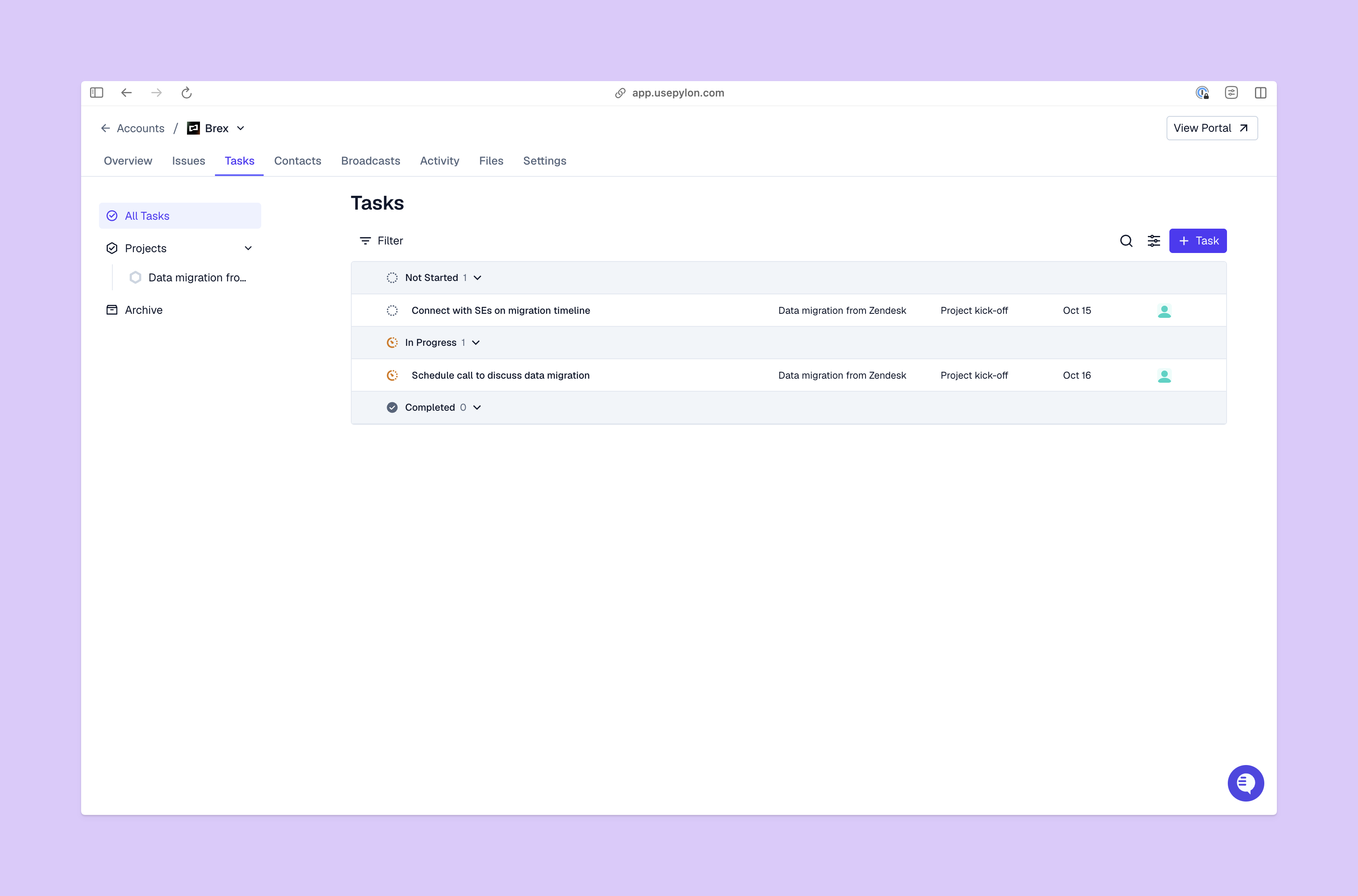
Customer success is important for SaaS companies for a few reasons:
Customer success teams usually include a small set of roles focused on different parts of the account lifecycle.
Customer success leaders look at the big picture and guide daily operations. They segment accounts, set engagement models, and decide where automation makes sense.
Leadership also makes sure teams track the right signals, focusing on long-term measurements like upsells and lifetime value instead of surface-level metrics like call counts or email volume. SaaS leaders also look at specific SaaS KPIs (like customer lifetime value and customer acquisition cost) and align customer success teams with those goals.
Customer success managers (CSMs) care for an account relationship after onboarding. CSMs help customers align your service with their goals, track usage, and coordinate customer care across post-sales teams.
Day-to-day, a CSM’s tasks might include reviewing activity trends, talking with customer support team members about recurring setup errors or confusion around new features, or flagging signs of customer churn risk and planning how to address it with the rest of the customer success team.
Onboarding and implementation specialists focus on helping customers use your service effectively from the beginning. They guide service setup, clarify expectations, and work directly with the account to remove obstacles early so they don’t stall in their first few weeks.
Once onboarding ends, these specialists’ clear milestones and simple documentation help customers stay involved and use your software. A structured handoff to CSMs keeps customer momentum going.
Account management leads commercial conversations, customer success prioritizes lifetime value and account health, and support responds to questions and concerns.
When teams share account information, customers don’t have to repeat themselves as often. Clear handoffs and software that collects account information in one place means it’s less likely they’ll receive conflicting (and confusing) information from different sources.

While every team operates differently, customer success best practices set patterns worth following.
A strong onboarding process allows customers to start using your service quickly. Once they’re onboarded, specific checkpoints keep customers moving and reduce early drop-off. Pay attention to the workflows they need most, walk them through setup, and clearly outline what happens next.
Customer needs shift as their teams grow, responsibilities change, and new features roll out. Ongoing education gives accounts a way to adapt your software to their changing workflows without having to start from scratch.
Regular, brief touchpoints like follow-up emails, omnichannel check-ins, and timely explanations work better than large training sessions. And sharing information through a knowledge base lets customers self-serve and stay on top of small questions.
Usage changes, unanswered messages, and missed milestones often signal risk before renewal conversations begin. Segmenting accounts helps you decide where to step in directly and where automation can field routine follow-ups.
When customers share where they’re stuck or confused — for example, during setup or after a UI update — that feedback helps post-sales teams respond with clearer guidance before small issues pile up and lead to a cancelled contract.
Customer success should stay closely connected to product development, like when teams grow into international markets that need multilingual customer support. Passing along usage details, account priorities, and renewal timing keeps expansion grounded in real use.
A scalable customer success program relies on consistent practices, shared information, and the right software. Customer success teams should engage deeply and often with their accounts so your customers can get the most out of your software, even as your company expands.
Pylon is the modern B2B support platform that offers true omnichannel support across Slack, Teams, email, chat, ticket forms, and more. Our AI Agents and Assistants automate busywork and reduce response times. Plus, with Account Intelligence that unifies scattered customer signals to calculate health scores and identify churn risk, we're built for customer success at scale.
As soon as a company moves beyond early customers, investing in customer success helps standardize onboarding, reduce churn, and support scalable growth.
No. Customer success is valuable for SaaS companies of all sizes, especially those with recurring revenue models and long-term customer relationships.
Customer success helps product-led growth by guiding adoption, educating users, and proactively addressing friction that could limit usage or retention.
Pylon Workforce Management is available now. See it in action with a live demo.