
In B2B customer support, a service level agreement (SLA) is more than just a legal document. It’s a strategic tool to build customer trust and reduce churn.
An SLA for customer service is a commitment you make to your customers. When you follow through on those commitments and achieve top-tier response times and resolution quality, you show you’re a reliable operational partner. Consistent SLA alignment increases the chance of contract renewals and long-term relationships — it also builds up your reputation for future transactions.
In this guide, discover how to structure, measure, and scale SLA standards in a modern B2B environment.
An SLA for support teams usually starts with a description of what service you provide, which channels you’ll use, and what hours your team is available. It also lists performance commitments and the metrics you’ll use to measure them. These documents also typically include the responsibilities of each party and the penalties for SLA breaches, such as service credits or the right to terminate.
While SLAs are usually an agreement between companies and customers, some organizations use them internally to determine standards for cross-team collaboration.
Here are some examples of SLAs that customer support teams use, and advice on when to choose each one:
Here are a few key performance indicators (KPIs) support teams use in SLAs:
While SLAs are often a requirement in B2B customer relationships, they also offer significant benefits to your team.
An SLA motivates your team and maintains high company standards. Everyone works toward transparent measurable targets, and there are clear consequences for SLA breaches, which creates strong accountability. This clarity encourages support managers to keep operations lean and efficient. They need to balance workloads and reduce workflow bottlenecks to ensure teams meet their targets.
When you define the same service levels across channels, you create a level of consistency that customers appreciate. People can use whichever channel is most convenient for them and receive the same courtesy, dedication, and speed. This builds greater trust, as customers know you’ll treat issues equally, whether they send it via email or Slack.
SLAs define what a good customer experience looks like with measurable indicators. Customers know what service levels you offer, which removes ambiguity and reduces the risk of unrealistic expectations. When you establish standards up front, teams can build stronger, long-term account relationships.
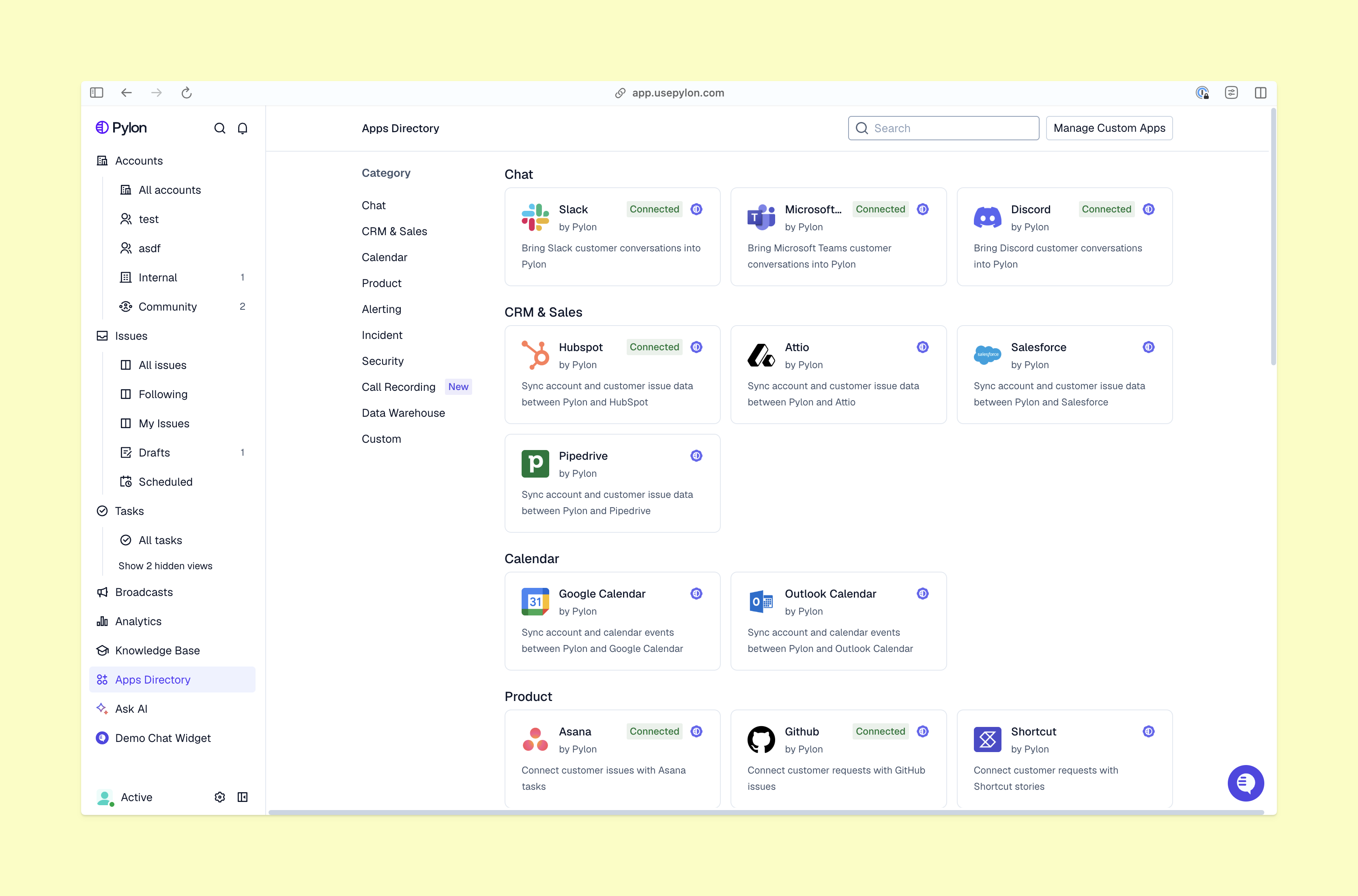
SLAs establish clear standards for customers, and they also clarify when you could miss those standards. For example, Pylon’s Account Intelligence flags when high-priority accounts near an SLA breach. This lets you take targeted, proactive steps to meet customer needs, meet targets, and avoid churn.
Not all SLAs are the same. The right best practices let you maintain high support standards and continuously improve over time. Here are a few service level agreement guidelines to hone your approach.
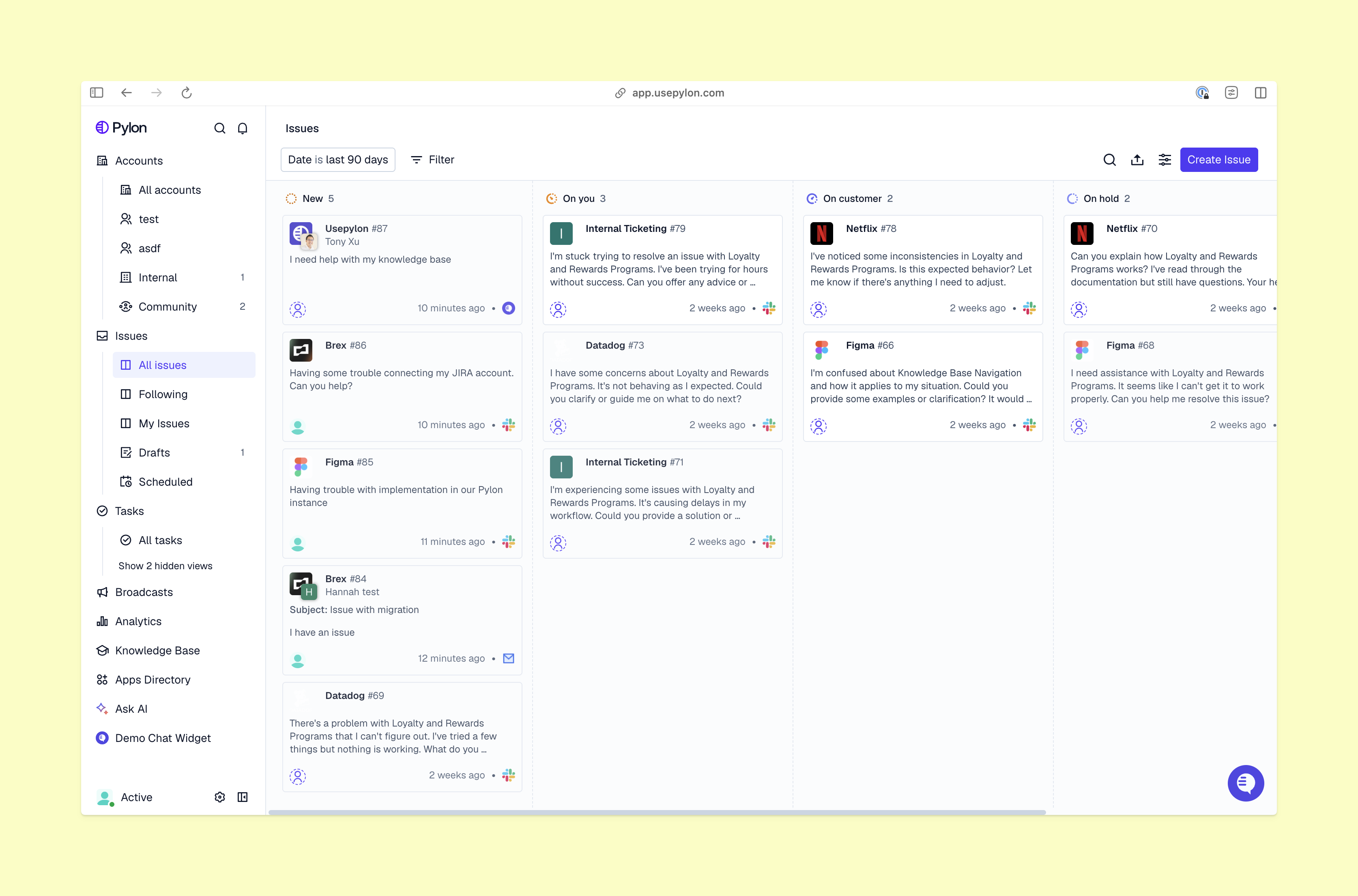
You need reliable analytics to confirm you meet SLA targets. Live dashboards let you track performance in real time, both for individual customers and across all accounts at once.
Establish your baseline for KPIs like response time and resolution time, and then keep an eye on metrics to ensure they’re steady. Identify accounts where performance is weaker, and take action to strengthen it. For instance, you could assign more team members to that account, which can help boost response time.
When an SLA is a static document stored in a folder, it isn’t top of mind, so teams could lose sight of targets. The SLA commitments need to be part of daily work. When everyone can see what current performance levels are and how they measure against targets, team members can take action to avoid SLA breaches and maintain customer satisfaction.
Inconsistent escalation is a big SLA risk. TTR lengthens when teams route tickets to the wrong person and end up in a back-and-forth triage. Define clear rules for when tickets are automatically escalated, who owns each task, and what expected response times are for each escalation level.
It’s also a good idea to set up escalation paths for SLA risks themselves. Decide who to notify when an account nears an SLA breach and who should bring service levels back within specified targets.
Beyond the specific SLA metrics, keep an eye on related analytics to see potential problems before they happen. For example, a full ticket backlog may not affect SLAs directly, but it leads to slower resolution and response times if you don’t address it quickly. Ask your team to learn which issues affect their performance and speed so you can manage the entire customer experience.
Treat every SLA as a dynamic entity. The commitments you make should evolve with product complexity and customer growth. If you consistently exceed expectations, you can set more ambitious targets. If you nearly miss them time after time, it may be time to adjust targets or invest in stronger operations.
It’s hard to track SLA compliance manually, especially as teams scale. Use a customer success platform to monitor team performance. These tools typically offer dashboards, automatic escalations, and notifications when you’re at risk of breaches.
SLAs are a key to the long-term health of your company. When you deliver reliable support and consistently meet your SLA targets, you build valuable trust with customers. This relationship contributes to stronger retention, less churn, and more predictable revenue.
Pylon is the modern B2B support platform that offers true omnichannel support across Slack, Teams, email, chat, ticket forms, and more. Our AI Agents and Assistants automate busywork and reduce response times. Plus, with Account Intelligence that unifies scattered customer signals to calculate health scores and identify churn risk, we're built for customer success at scale.
An SLA is an agreement with the customer, which includes commitments to quality and speed. On the other hand, a service level objective (SLO) is a specific target within that agreement, such as 99.9% uptime or a two-hour response window.
Breaches are usually managed through service credits or financial penalties defined in the contract. Internally, a breach should trigger an immediate escalation to prioritize the resolution and prevent churn.
Yes. Internal SLAs between departments, such as engineering and support, ensure customer-facing teams get the technical fixes they need to meet their external customer commitments.
Business hour SLAs only count time during your team's active shift (e.g., 9 to 5), whereas calendar hour SLAs track time 24/7 regardless of holidays, weekends, or office hours.
Pylon Workforce Management is available now. See it in action with a live demo.