
All Articles
Guides

SLA Best Practices: How to Set and Manage Customer Expectations

Explore SLA best practices designed for B2B support leaders. Learn how to create service level agreements that set expectations, and manage them at scale.

Yoona Kim
December 5, 2025

Service level agreements (SLAs) set expectations that keep support running smoothly. Clear SLAs build trust with your customers and help your team deliver great service, even at scale.

Read on to learn what these agreements are, explore SLA best practices, and find out how to monitor the results.

What Are SLAs?

An SLA is an agreement between you and your customers that clearly spells out the services you offer and what accounts can expect from support. SLAs define response and resolution times, and they lay out what happens when expectations aren’t met.

SLAs are a safety net for everyone. They tell your team exactly what to do and when to do it. A strong SLA keeps your company and customers on the same page, so you can avoid unpleasant surprises and strengthen relationships.

B2B SaaS teams often use SLAs to:

  • Set predictable standards
  • Create accountability
  • Track support quality
  • Manage the customer experience
  • Improve company performance

Types of SLAs

Here are the main types of SLAs your team should know:
  • Customer-based SLA. This is an agreement between your support team and one account. These are common for enterprise customers that need strict standards and customized contracts.
  • Service-based SLA. This type of SLA applies the same standards to every customer using a specific product or service, so your team stays consistent at scale. For example, all customers could get a standard response time target or guaranteed uptime percentage.
  • Multilevel SLA. This lets you offer different service level agreement levels or tiers, like one SLA for all customers and an extra layer for premium plans or enterprise accounts.
  • Internal SLA. This sets expectations within your company instead of with customers. For example, your support team could depend on engineering to review issues within a set timeframe. Internal SLAs help your team manage handoffs and improve workflows.

Key Parts of a Strong SLA

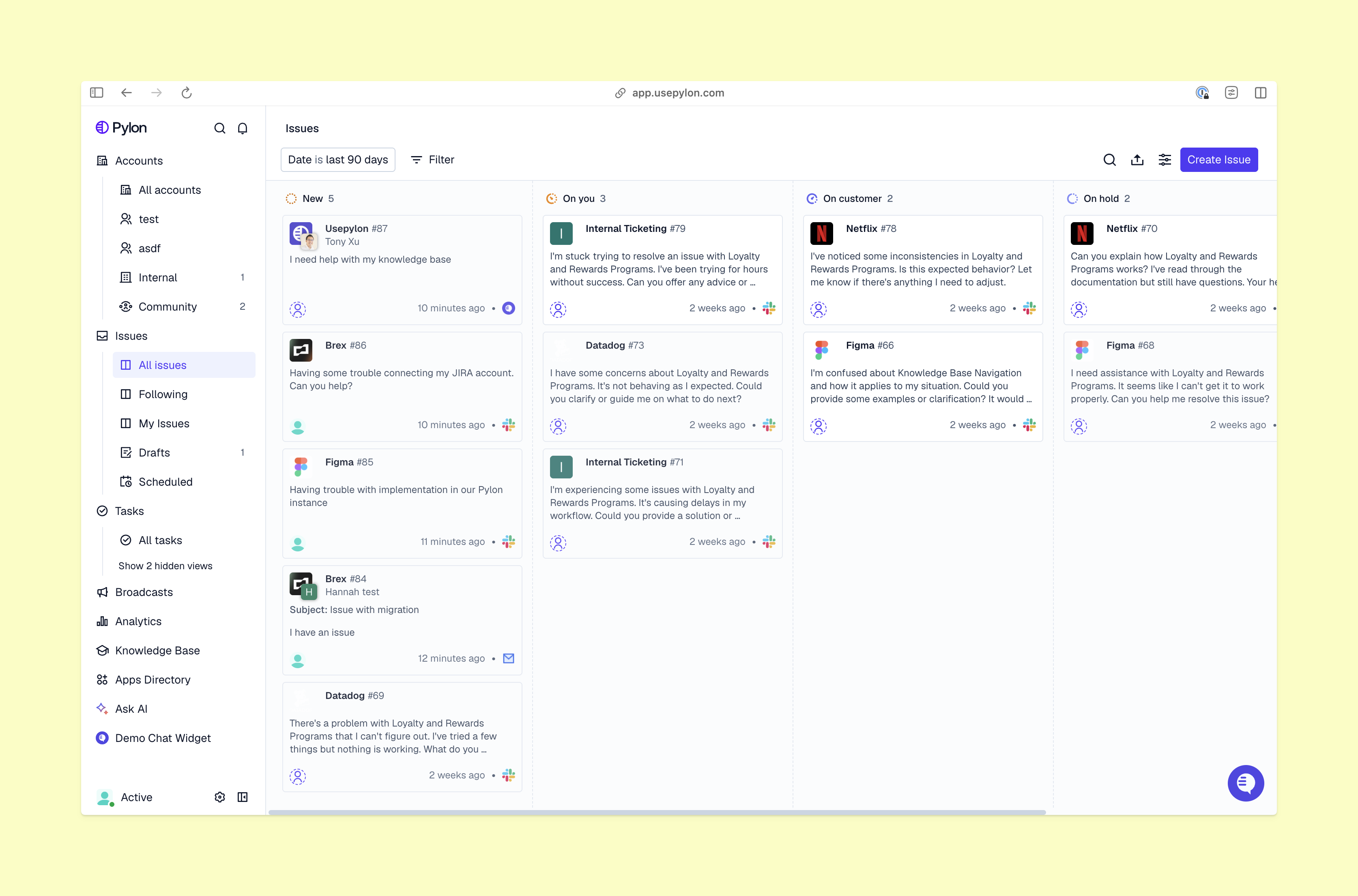
Issues view on Pylon’s Omnichannel Support
Issues View on Pylon’s Omnichannel Support

The best SLAs strike a balance — specific enough to guide your team and flexible enough to adjust as your company grows. Here’s what to include:

  • Service scope. Lay out exactly what your support team needs to deliver and how. This could include details about support channels like Slack, hours of operation, self-service options like knowledge bases, tiers of service, and what counts as in-scope requests.
  • Performance metrics. Clarify the support KPIs your team aims for, like first response times, average time to resolution, customer satisfaction scores, and uptime commitments.
  • Customer responsibilities. Explain what customers need to do to keep the agreement valid, like giving correct contact details or using official support channels.
  • Penalties and remedies. Include information about what happens if your team breaks an SLA. In SaaS, you could offer service credits or additional check-ins with your customer success team.
  • Reviews and updates. You need clear expectations for how often you’ll review metrics, how you’ll report on results, and when you’ll update SLAs.

How to Create an SLA: 4 Steps

Here’s a simple step-by-step process to write an SLA for support.

1. Define Service Levels

Start by outlining definitions and promises, like:

  • What qualifies as a support issue
  • How you categorize priority levels
  • How quickly your team responds
  • How fast your team aims to fix each type of issue

2. Set Targets and Choose Tracking Tools

You need a clear way to track whether your team meets SLA targets, to create accountability and transparency. You can use:

  • Ticketing tools
  • SLA timers
  • Automated alerts
  • Reports to leadership and customer success teams

3. Outline Penalties and Remedies

Decide what you’ll offer customers when service level agreement compliance fails, like:

  • Service credits
  • Additional support check-ins
  • Priority help
  • Follow-ups with success teams

4. Share Resolution Options

Even with the best agreements, misunderstandings happen. So create a simple process for settling disagreements, like outlining how customers can report SLA breaches and what the escalation steps look like.

SLA Best Practices for B2B SaaS Customer Support

Your team can follow these SLA best practices to give helpful B2B support at scale.

Set SLAs You Can Actually Hit

It’s tempting to promise super-fast response times, but unrealistic SLAs create more risk for your team and can frustrate customers. Start with targets you can meet consistently, adjusting expectations as your team grows.

Regularly Review Your SLAs

Plan regular review cycles to:

  • Reassess service levels
  • Mine customer feedback for potential improvements
  • Adjust expectations with customers

Offer Transparent Communication

Your customers should always know what they can expect from your team and what they’re responsible for. To build trust, your SLAs should be easy to find and understand, and you should be upfront about any changes or issues.

Use SLA Monitoring Tools

Modern customer support platforms help you track SLAs without adding manual work, thanks to:
Managing and Improving Your SLAs Over Time

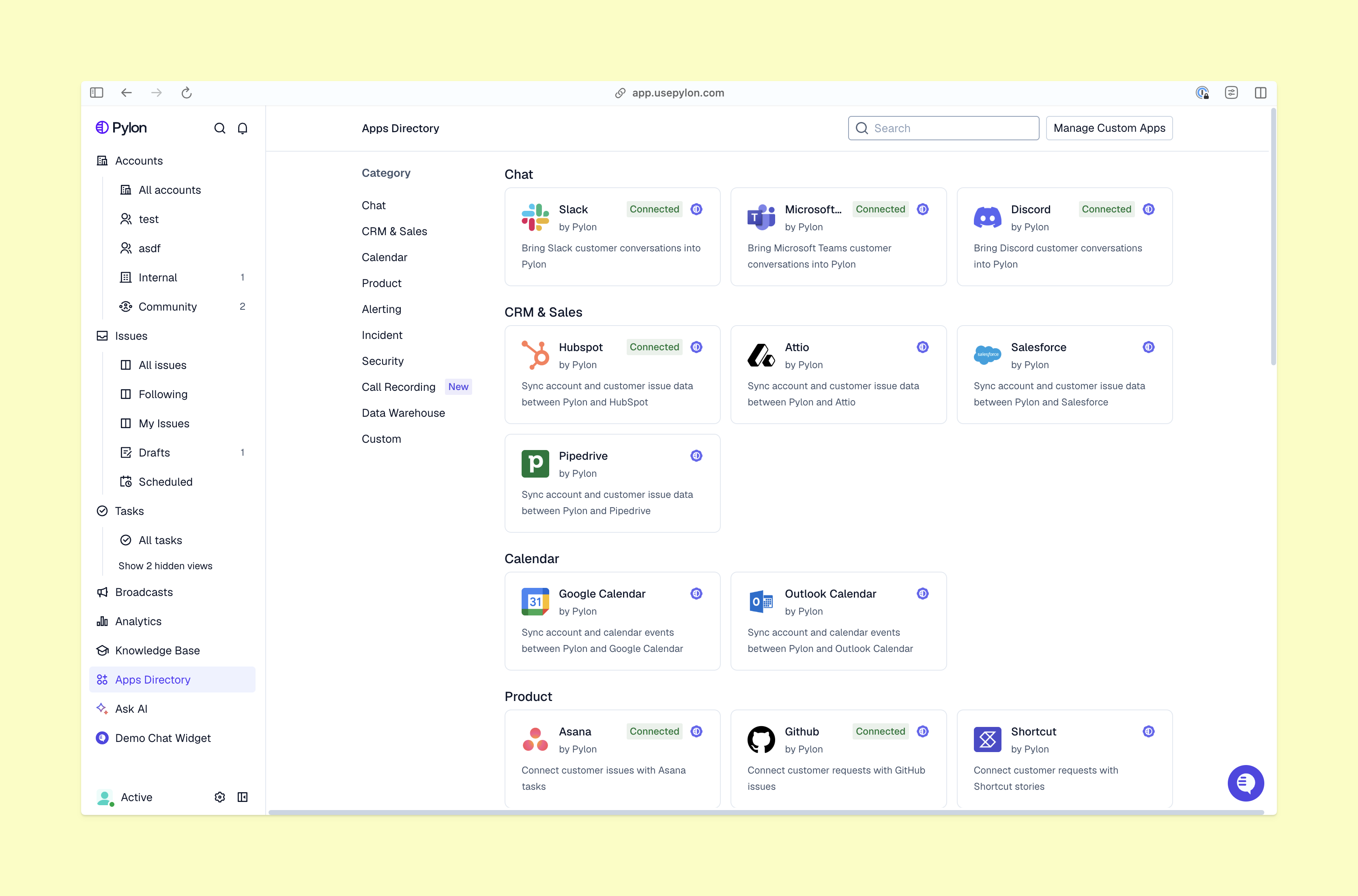
Chat integrations on Pylon’s Omnichannel Support
Chat Integrations on Pylon’s Omnichannel Support

SLAs are an important part of long-term support operations, so you need a plan to maintain and improve them. Here are the best ways to manage your SLAs.

Keep Track of Important Metrics

Review your performance data often, and look for:

  • Trends in response times
  • Changes in resolution times
  • Issues that slow down certain teams
  • Customer opinions about support speed
  • Repeated failure points

This shows where your team needs more resources or better workflows.

Update Your SLAs as Needed

It’s a good idea to update your SLAs when:

  • Ticket volumes grow
  • You add new product lines or support channels
  • Customer needs change
  • Priorities shift across your accounts

Bring Everyone to the Table for Reviews

SLAs affect more than just support — you’ll often involve other teams in escalations or fixes. A shared review process offers new perspectives and keeps everyone on the same page.

Automate SLA Tracking

Pylon makes it easy to track SLAs automatically, giving your team more time to support customers. You can create SLAs to track specific issues, and use triggers to notify your team when action is needed.

Common SLA Examples

To help you get started, here are some common SLA examples and how you could use them.

Response Time SLAs

This type of SLA defines how fast your team should send a first reply after a ticket comes in. It sets clear, measurable expectations that are easy to track.

Example: In SaaS, you could define separate response times for standard and enterprise plans, and include details about your hours of operation and self-service options.

Resolution Time SLAs

In a resolution time SLA, you’ll explain how long your team has to fully resolve an issue. This means focusing on outcomes that matter to customers, not just first replies.

Example: In software service level agreements, your team could set different resolution targets for feature bugs, usability issues, and outages.

Uptime SLAs

An uptime SLA offers customers a service guarantee, usually stated as a percentage (like 99.99%). This sets clear expectations and gives customers confidence in your reliability.

Example: Platform companies can commit to uptime across all environments, while service providers could set uptime for different network segments.

Why Strong SLAs Help You Scale Support

SLAs help you deliver consistent support, set clear expectations, and keep customers happy. Whether you're new to creating SLAs or improving your process, you can use Pylon to make automating SLA compliance and tracking key metrics easier.

Pylon is the modern B2B support platform that offers true omnichannel support across Slack, Teams, email, chat, ticket forms, and more. Our AI Agents and Assistants automate busywork and reduce response times. Plus, with Account Intelligence that unifies scattered customer signals to calculate health scores and identify churn risk, we're built for customer success at scale.

Book a demo

Explore more

Industry

Customer Success Software Comparison: Finding a Platform for Your Team

Pylon Team
December 5, 2025
start free trial
Industry

AI Support Systems Explained: Features, Benefits, and Best Practices

Pylon Team
December 4, 2025
start free trial
Industry

Customer Success Platforms That Leverage Support Data: Your Complete Guide

Pylon Team
December 3, 2025
start free trial

Explore more

Team

Caleb Siu, Software Engineer

Advith Chelikani
October 21, 2024
start free trial
Team

Anna Clink, Customer Success Manager

Advith Chelikani
March 17, 2025
start free trial
Industry

Key Features of Pylon's AI Knowledge Base Software

Marty Kausas
June 24, 2025
start free trial
Industry

Omnichannel Chat: Definition, Benefits, & Best Practices

Robert Eng
June 23, 2025
start free trial
Releases

Product Launch: API

Advith Chelikani
January 12, 2024
start free trial
Spotlights

Spotlight: Terrance Godfrey II @ Nooks

Marty Kausas
October 21, 2024
start free trial
Releases

Product Launch: Conversational Ticketing

Advith Chelikani
December 3, 2023
start free trial
Industry

How to Choose a B2B Support Platform | Complete Guide for 2025

Pylon Team
October 10, 2025
start free trial
Team

Audrey Li, Founding Engineer

Advith Chelikani
March 13, 2024
start free trial