
Help desks and support desks sound similar, but they serve different roles and can have very different features. When you understand what each offers, you can pick a platform that fits your team’s work style and helps them create great customer experiences.
Here’s a guide to the key differences between help desks and support desks, so you know which fits your needs.
Help desks give support teams easy ways to field incoming questions. Many of them start as IT help desks that help internal teams handle password resets and access issues. After adding tools like AI ticketing systems and AI agents to reduce manual work, some teams also use help desks for customer support. They’re useful when you need a dependable setup that handles lots of routine requests.
Support desks go beyond ticket management. They help your team handle complex conversations and customer interactions in multiple channels. They often include tools that record account histories, highlight patterns across messages, and flag to your team when a customer needs extra support or outreach.
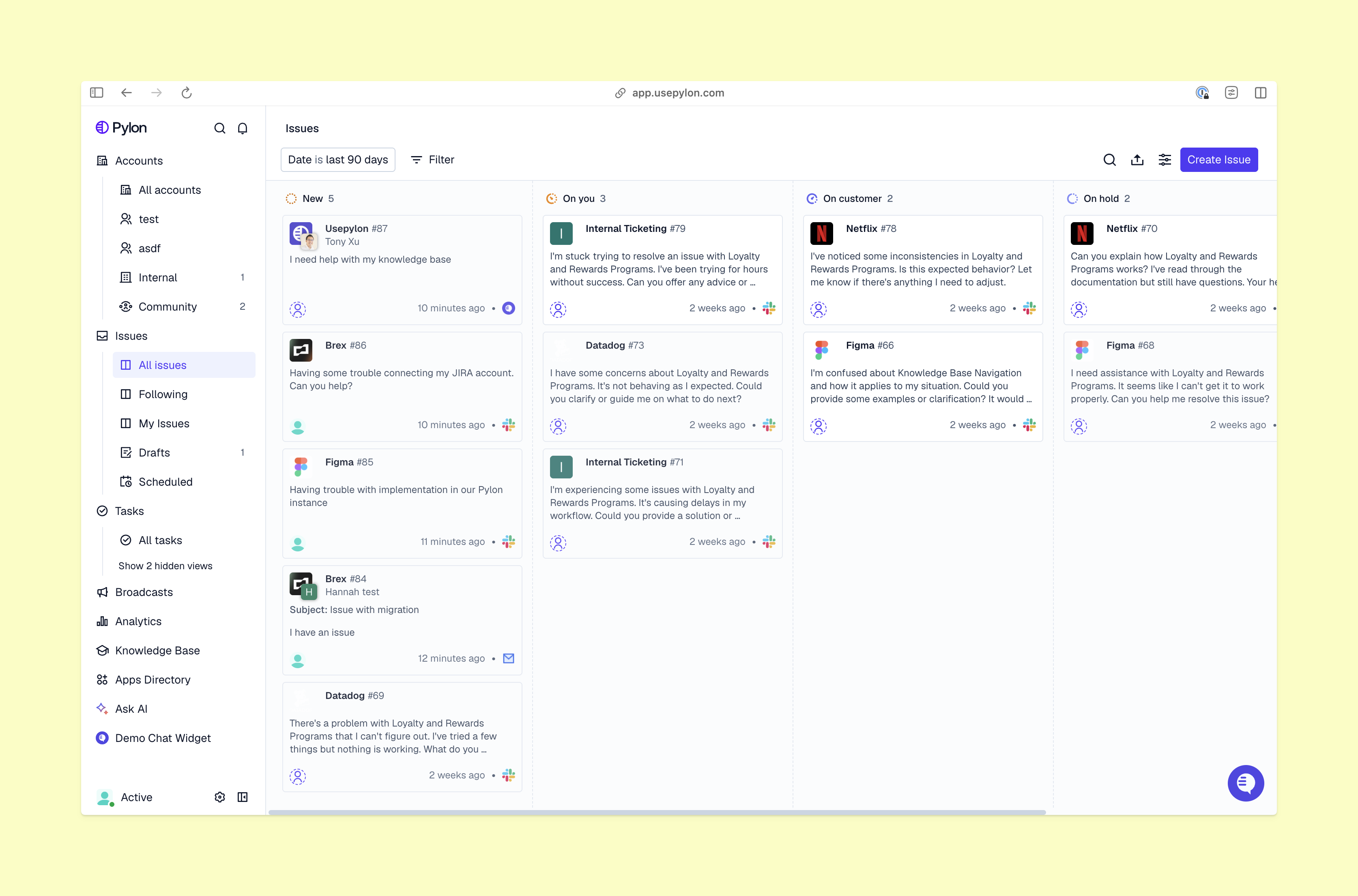
The biggest difference between these tools is their scope. Help desks usually focus on issue-based tickets with clear, often scripted fixes. Support desks let you help customers in more ways, and give you a complete picture of their goals and behaviors.
Today’s help desk software works well when your main need is accurate routing or quick fixes to common problems. Support desks have more flexibility, and make it easier to manage customer conversations from multiple channels like Slack, Teams, email, and chat.
You can also see more customer context in a support desk, like the account’s recent interactions, open conversations, satisfaction scores, and support trends that point to wider problems. This information helps you prioritize work and decide when to follow up before issues happen.
Companies with heavy IT needs often rely on help desks, because they give you:
But support desks offer these benefits too, and you also get:
Lots of B2B teams use support desks for long-term account management. Others use a combination of help desk tools for internal requests and support desk features for customer communication.
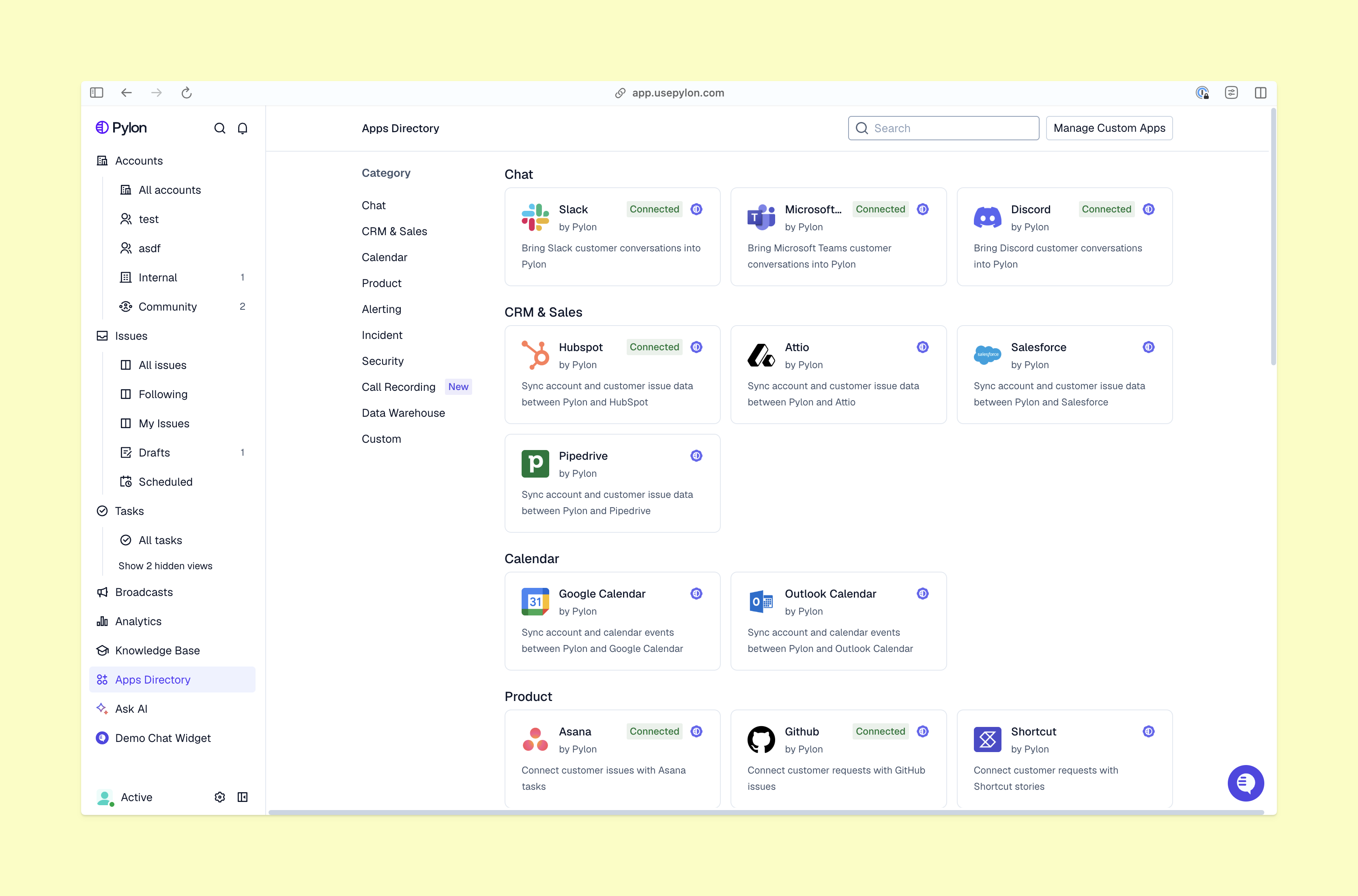
To pick between these tools, you can:
Help desks and support desks both give your team structure, but a help desk works best for common, high-volume requests with simple resolution paths. A support desk helps you manage complex conversations easily, and it gives you more context so your team can personalize support and build long-term relationships.
Pylon is the modern B2B support platform that offers true omnichannel support across Slack, Teams, email, chat, ticket forms, and more. Our AI Agents and Assistants automate busywork and reduce response times. Plus, with Account Intelligence that unifies scattered customer signals to calculate health scores and identify churn risk, we're built for customer success at scale.
No, help desks are tools that help teams manage support tickets and customer issues. Customer support is the practice of helping customers troubleshoot issues with your product/service and get value out of it.
“Service desk” is often used. In some cases, teams refer to "support platforms", "support systems," or "ticketing systems."
The three common levels are Level 1 (basic user issues), Level 2 (more complex problems escalated from Level 1), and Level 3 (advanced technical support for high-complexity issues).
Customer support (CS) refers to direct, reactive assistance when a customer has a problem or question. Customer experience (CX) is the full journey — all interactions and feelings a customer has with a brand before, during, and after the sale.
Pylon Workforce Management is available now. See it in action with a live demo.