
Today’s support teams field questions from multiple platforms: Slack, email, chat widgets, and more. As those channels grow, it can get harder to keep the customer experience consistent and personal. But consistency across channels supports broader customer relationship management goals, since each interaction shapes how accounts perceive your company.
Customer connection gives you a way to handle that pressure and develop trust, which directly influences your long-term relationships with accounts.
This guide covers what you should know about customer connection, how to connect with customers in support conversations, and workflows to help you build it at scale.
Customer connection reflects the relationship between your team and an account. It’s built from positive experiences and reflective or understanding responses to questions and concerns. Strong connections often lead to higher satisfaction and a lower chance of customer churn.
This approach to account relationships blends emotional connection with functionality. Providing empathetic guidance with predictable processes, accurate answers, and consistent support can lead to stronger customer connections.
When accounts feel understood, they share more details and ask for help sooner. And when your processes are reliable, customers trust your guidance and depend on your product more deeply.
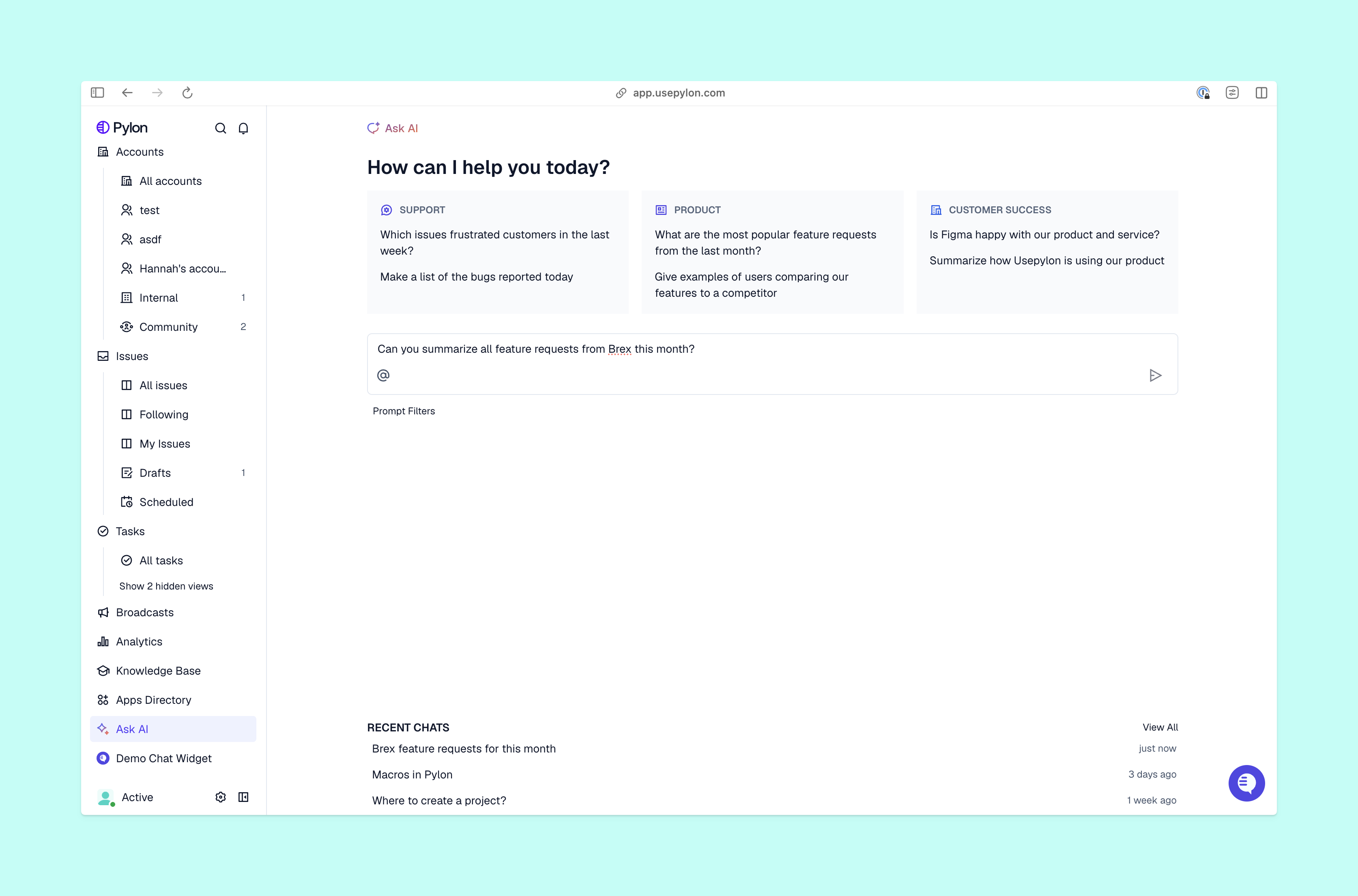
Even teams with well-built workflows run into challenges when it comes to connecting with customers. Request volume increases as your capacity grows, and expectations change fast.
These pressures make connection difficult in a few ways:
Connection grows through small, consistent actions. Your team can use effective support principles and strategies like the ones below to make steady workflow improvements and integrate customer connection into your daily routine.
Personalization starts with understanding the patterns behind a customer’s questions. When you know what they’ve already tried or where they often get stuck, your guidance becomes more accurate and thoughtful for their specific situation. Customers feel understood, which builds their trust in your company. This also makes resolutions faster.
Customize conversations by referencing past discussions, linking to earlier troubleshooting threads, or offering next steps based on their product usage. These little actions show that you understand their experience, which builds rapport and minimizes friction.
Shared visibility across your team also improves handoffs. When every team member can see the same account context and recent interactions, customers avoid having to explain themselves multiple times.
Connection depends on how easily customers can get answers. Searching through complicated web pages for a resolution or waiting too long for instructions can cause unnecessary frustration. You can reduce that friction by simplifying your support paths and offering multiple ways to contact your team.
A smooth experience also includes eliminating repetitive tasks, like asking customers to re-explain an issue when the information already exists in your system. When you can reference a solution to a customer’s earlier problem, for example, customers feel like they matter.
Trust develops through small moments, not just at major milestones. Even a link to a helpful resource can go a long way to signal that your team is paying attention.
Trust-building appears most often at stressful times, like when an integration isn’t working as expected. When your team communicates calmly and empathetically and checks in afterward, customers remember the experience. They’ll also be more likely to rely on your guidance when problems happen in the future.
SaaS customer support best practices emphasize giving your team quick access to past messages and basic account details. Context scattered across Slack threads, chat widgets, and email chains makes it harder for your team to know the whole story, and you’re more likely to miss details that would’ve built customer connection.
When all of that information lives in one place, it becomes easier to offer consistent guidance. Centralizing conversations and context helps support teams respond accurately and reduces the chance of giving the same answers across channels.
AI agents for customer support deliver real results. They can reduce response times by 97% by using information from previous interactions to automatically draft responses, which your team can review and refine before hitting “Send.”
AI and other automated tools can also find relevant past answers when customers have technical issues. Instead of taking an hour to search through archived messages, your team can instead review and tweak related guidance in minutes. This helps you build personal responses without taking on more work.
A loaded knowledge base gives customers direct paths to answers. Create articles in response to real questions from accounts, and explain each step thoroughly to save time for everyone in the long run.
Pay attention to customer feedback to see where accounts are getting stuck. You may also begin to pick up on customer support trends that aren’t obvious in your usual interactions. These can help you improve the rest of the post-sales experience.
For example, if you notice there’s a specific point when your onboarding process slows down, it might reveal unclear information in your documentation that needs an update.
You can gather information through things like in-app surveys, follow-up messages, and comments from support tickets.

Here are a few metrics to track how well your support processes match what accounts need:
Customer connection grows through consistent everyday actions that show accounts you understand their goals. When you pair effective workflows with tools that centralize information and quicken response times, it’s more manageable to build trust at scale. Pylon brings these pieces together so your support experience stays personal and reliable while aligning with your growing customer base’s needs.
Pylon is the modern B2B support platform that offers true omnichannel support across Slack, Teams, email, chat, ticket forms, and more. Our AI Agents and Assistants automate busywork and reduce response times. Plus, with Account Intelligence that unifies scattered customer signals to calculate health scores and identify churn risk, we're built for customer success at scale.
Customer engagement is interaction-focused, while customer connection is sentiment-focused.
Customers who feel emotionally connected to your team are more trusting, buy more, and advocate more strongly for you.
Yes. Consistency, personalization, and fast responses matter more than spend.
Strong connection increases trust, which directly reduces churn over time.
Email, live chat, and personalized email sequences often work best. Slack, Discord, and Teams are also useful for customers who already work there.
Pylon Workforce Management is available now. See it in action with a live demo.