
Your customers tell you how they feel every day through support tickets, chat messages, reviews, and product feedback. Customer sentiment analysis turns that feedback into insights your team can use to improve CX and increase retention.
Let’s break down what customer sentiment analysis is and how you can use it to understand customer experiences at scale.
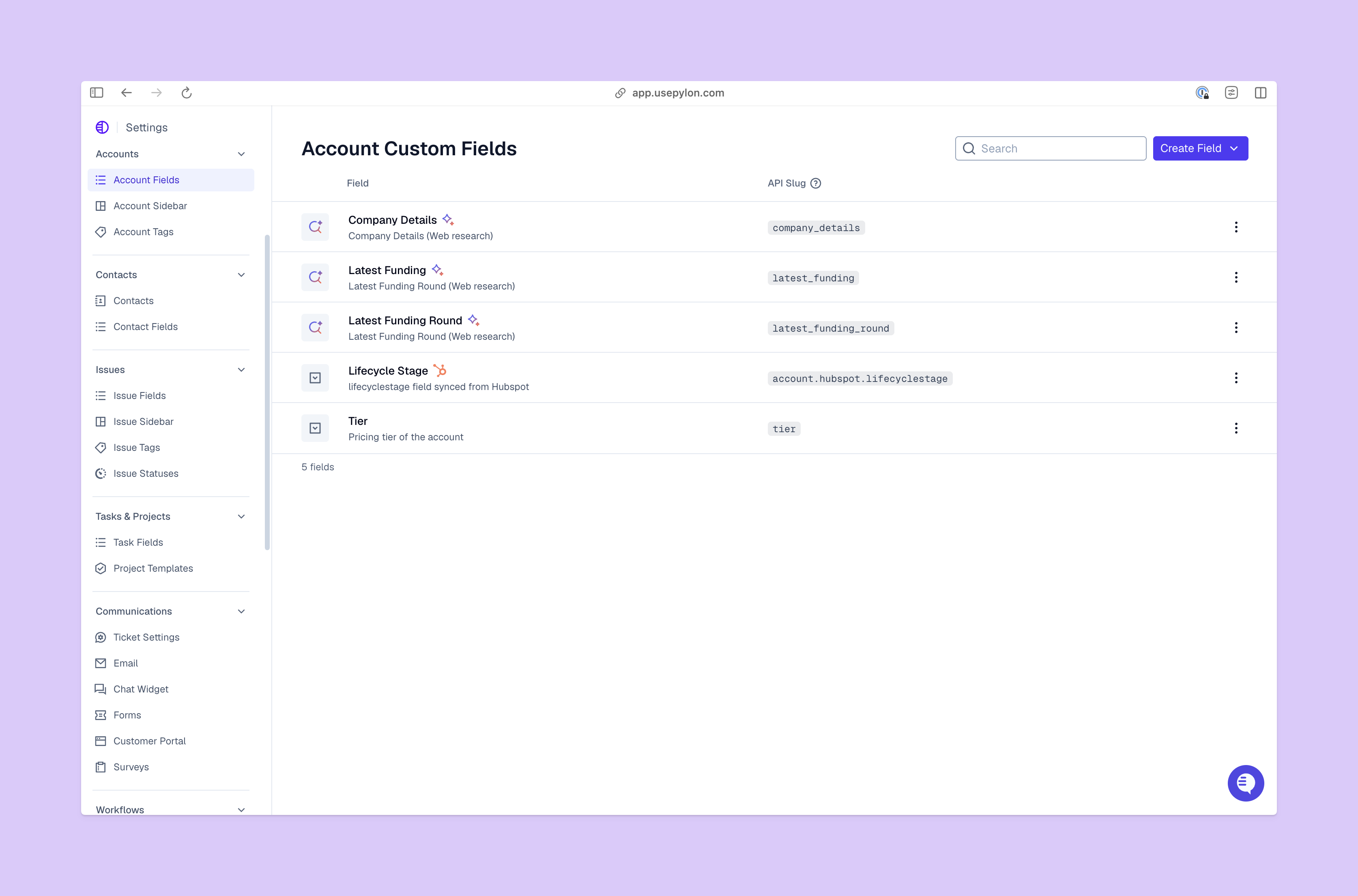
Customer sentiment is the emotions and opinions customers have about your product and support. Understanding customer sentiment is important because it shows whether accounts are feeling satisfied or frustrated with your product or service.
You’ll usually collect customer sentiment data through:
Customer sentiment analysis means using automation and AI to gather and review how your customers feel across interactions. Instead of guessing how your accounts are doing, customer sentiment analytics platforms turn tone and language into useful data.
Here’s how that works:
Here are the main benefits of exploring customer sentiment.
Sentiment analysis helps you understand what customers actually need instead of relying on assumptions. By reviewing tickets and messages, sentiment tools show you what customers expect, where they feel friction, and how they prioritize features.
Negative sentiment often appears before a customer cancels, and real-time sentiment trackers flag those signs so you can reach out early. This helps your team improve customer success playbooks and keep accounts from churning.
Sentiment patterns show where current customers struggle, so your dev team can make fixes for new customers who trial the product. And applying insights from sentiment to customer service practices signals that you’re in tune with account needs and expectations.
By identifying frustration early and responding faster, your support and success teams create more positive experiences that build trust and long-term satisfaction.
Customer sentiment analysis gives managers a clear way to coach support and success teams. You’ll see which responses work well and where conversations break down, so you can refine your customer success strategy and teach teams to give more consistent, useful support.
When measuring customer sentiment, you’ll want to use a combination of hard data and subjective feedback. Here are three useful methods.
AI-powered platforms analyze language patterns and score sentiment automatically, so you get instant insights from emails, tickets, chat logs, and call recordings. AI tools can track patterns in language and understand emotional intensity, giving you valuable, detailed information about customer sentiments.
Customer satisfaction surveys, net promoter scores, and open-ended conversations are great ways to hear from accounts directly. Choosing a few easy ways to collect structured and unstructured feedback lets you track customer sentiment over time and in depth.
Support interactions show customer feelings that are tied to specific moments and issues, unlike more general feedback channels. Tracking emotions across chat, Slack, Teams, and email helps you understand how customers feel during important touchpoints.

Let’s look at common ways to apply what you learn from customer sentiment analysis:
Even with good tools, sentiment analysis still comes with challenges like:
Sentiment analysis helps your company understand customer emotions and build experiences that drive growth and retention. But a lot of teams that collect this data don’t use it well, because it’s scattered across channels and hard to understand. Pylon brings everything you need together, and gives you tools like AI Notebooks and AI Fields for easy sentiment tracking.
Pylon is the modern B2B support platform that offers true omnichannel support across Slack, Teams, email, chat, ticket forms, and more. Our AI Agents and Assistants automate busywork and reduce response times. Plus, with Account Intelligence that unifies scattered customer signals to calculate health scores and identify churn risk, we're built for customer success at scale.
Pylon Workforce Management is available now. See it in action with a live demo.