
There’s a lot to customer success — you have to guide accounts toward the unique outcomes they want while monitoring for early signs of customer churn. But with the right customer success best practices, you’ll help customers make progress sooner, keep accounts in good shape, and show your teams where to focus their efforts.
Read on to learn about the customer success process, and find out how you can build a program that grows with your company.
Customer success involves guiding customers toward the results they want from your product. While customer support focuses on questions and urgent issues, and account management builds trust on an individual level, customer success looks ahead to avoid problems and meet support needs over the long term.
The best customer success strategies increase renewals, because they keep customers growing with your company. These strategies also help SaaS and B2B companies scale, because they give you repeatable playbooks to follow instead of one-off solutions.
A customer success manager supports customers’ progress after onboarding. They watch account goals, monitor activity, and work with post-sales teams to move customers in the right direction.
The typical customer success manager’s week includes product usage reviews, check-ins with accounts that show slower activity, answering questions from customers and support teams, and preparing for renewals. These leaders are often first to notice when customers have trouble, so your team can respond right away.
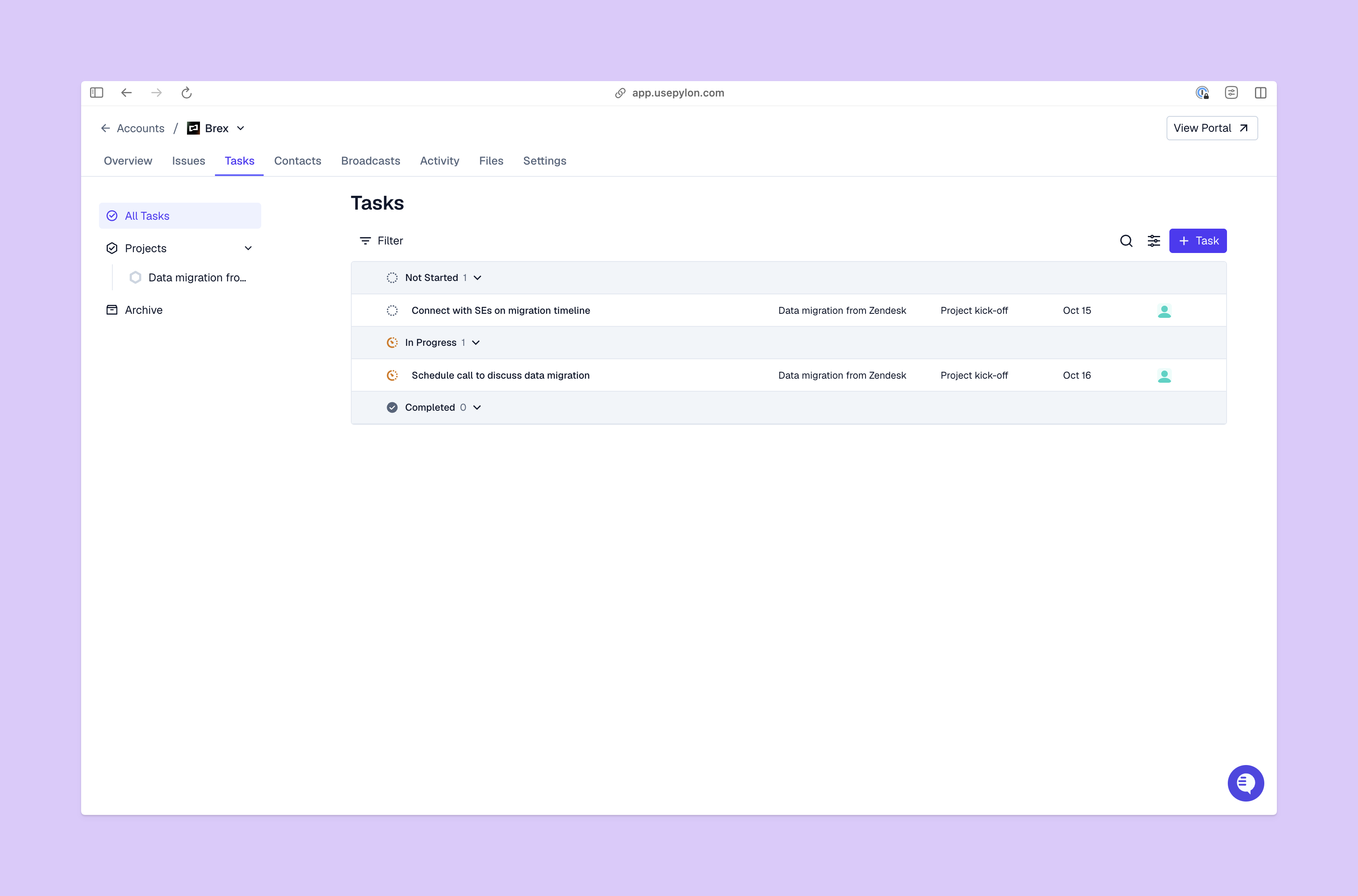
A quality customer success program starts with:
Here are a few common ways success teams keep customers happy.
Personalization makes customers feel listened to and valued, and it helps you give them the right kind of support. Pay attention to customer types and goals, and make sure each account gets information and messages that are very relevant to their specific needs.
As your product evolves, you’ll need to inform customers about new features and introduce workflows that help them get the most out of your product. They’ll need resources that match their skill and experience levels, like knowledge base articles that walk through basic features and then jump into complex use cases.
Customer health scores give your team a quick snapshot of account health. You’ll look at open tickets, renewal timelines, feature adoption, and direct feedback, then use that information to spot issues early and support accounts that need more attention.
Feedback shows your team what customers need and where they struggle. For example, customer surveys and satisfaction scores can tell you how well your product and support meet expectations. Make sure these insights reach the right people fast, so teams can plan improvements and updates.
If your product brings value and your support is reliable, customers are more likely to expand their contracts and use new features. Treat upsells as a natural way to help customers reach their goals — when you position new products as ways to reach outcomes faster or more often, growth often follows naturally.
Automation can complete common, simple tasks and give your team more time for relationship-focused work. Tools like AI assistants and automated routing create more reliable workflows and reduce manual steps.
When combined with success playbooks that show your team exactly how to deal with common issues, you can cut out a lot of wasted time and unnecessary back-and-forths.
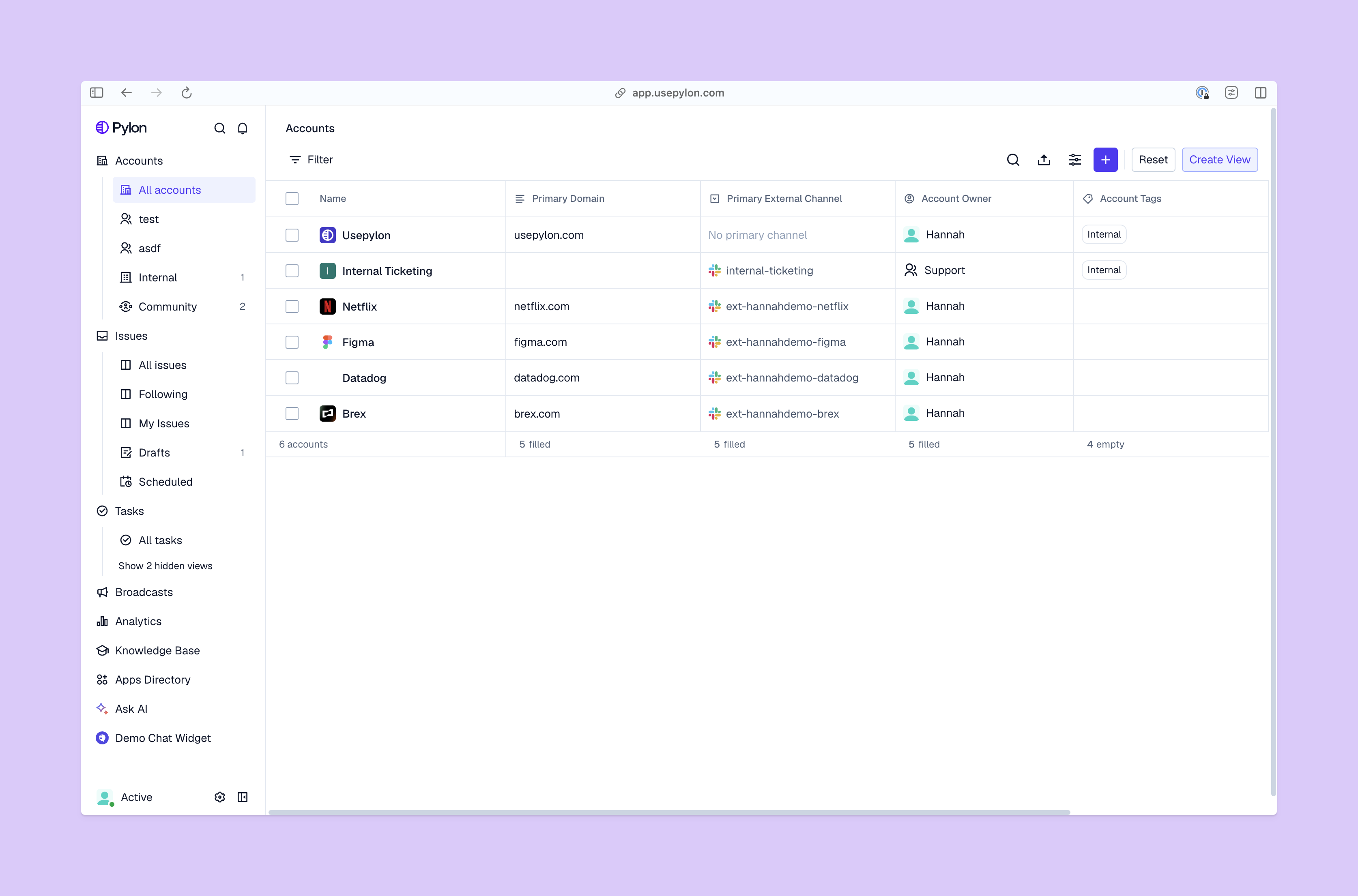
Tracking a few important customer success metrics can let you see if your program works and where you can improve. Those metrics include:
Segmentation makes it easier to understand these metrics. You can look at accounts based on size, industry, or goal to see which need more attention and which groups respond well to different support strategies. Over time, these insights help you improve your customer success plan and let your team make decisions easily.
You’ll also need a tool to help your team track and review metrics. Pylon gives you a single platform to review customer activity and Account Intelligence that shows you important signals, like which features customers use most and how often they’re reaching out with questions.
Here are some problems you could face while you build a customer success strategy, and how to deal with them:
Top customer success teams rely on clear data and consistent workflows. Pylon brings all this together in a complete customer 360, so you get a shared view of conversations from support channels, customer signals that hint at issues before they grow, and automated workflows that help your team lead customers toward their goals.
Pylon is the modern B2B support platform that offers true omnichannel support across Slack, Teams, email, chat, ticket forms, and more. Our AI Agents and Assistants automate busywork and reduce response times. Plus, with Account Intelligence that unifies scattered customer signals to calculate health scores and identify churn risk, we're built for customer success at scale.
Pylon Workforce Management is available now. See it in action with a live demo.