Customer Success Strategies: Your Guide to Driving Growth and Retention
Learn how to build customer success strategies that boost retention and reduce churn, and discover tools that make the process easier.
Dan Guo
December 12, 2025
Strong relationships are built through careful steps that guide your customers toward their goals. Those steps make up your customer success strategy — a proactive plan to perfect key moments in the customer journey.
This customer success guide shows how to build a plan based on proven customer success methodology.
What’s a Customer Success Strategy?
A customer success strategy is a plan that helps customers use your product and get the outcomes they want. It’s often based around a clear onboarding process, regular communication, and aligned goals — important actions that should lead to success for both your company and customers.
Customer success is often mistaken for customer support or account management, but each has different goals:
Customer support answers questions and reacts to problems as they happen.
Account management nurtures customer relationships and identifies growth opportunities, to increase renewals and upsells.
Customer success predicts account needs to spot issues early and shape customer experiences proactively.
Why Does Your Team Need a Customer Success Strategy?
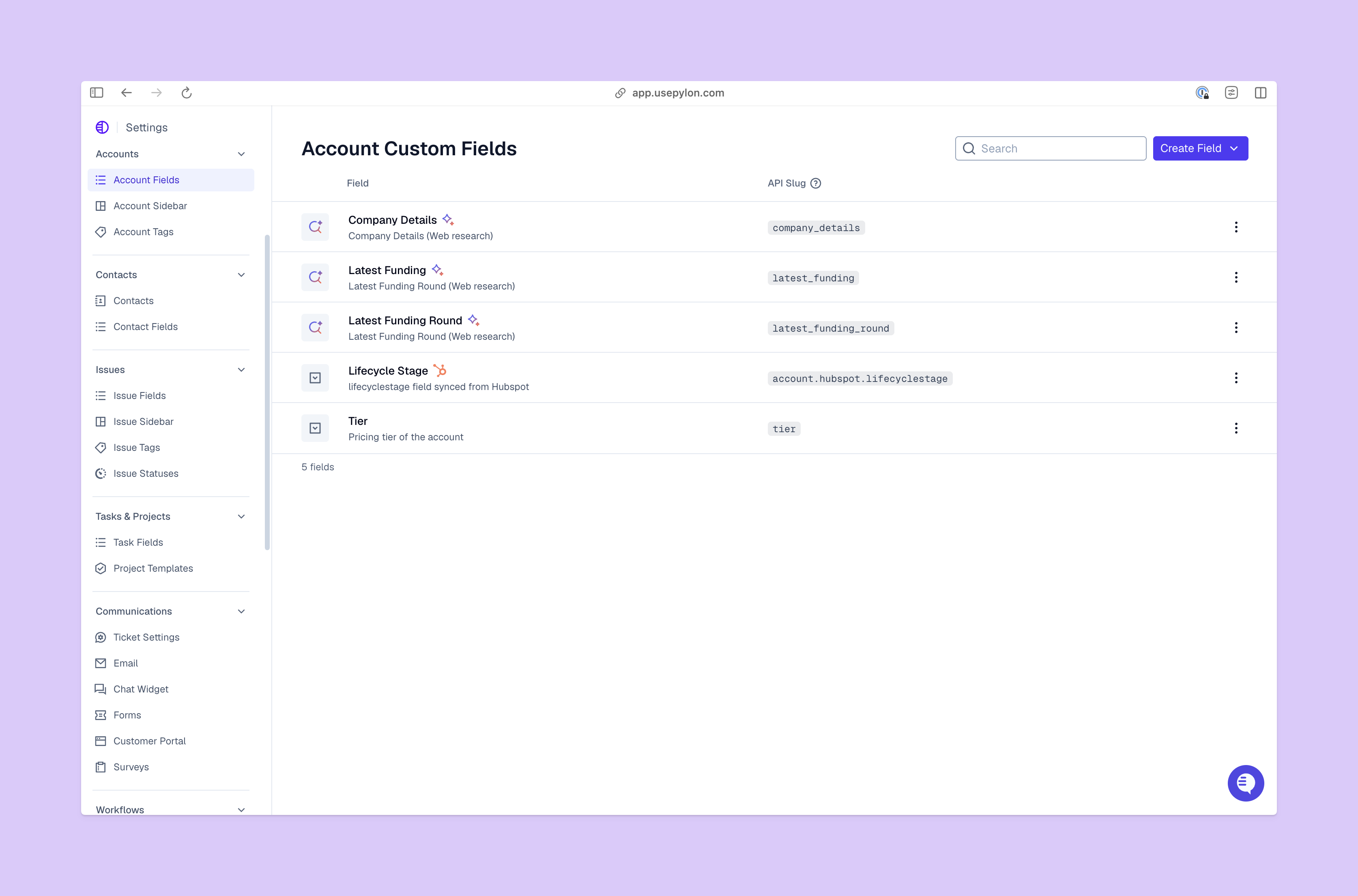
Account Custom View from Pylon Platform
To understand the customer journey, you have to know the key moments that get people to stay. A customer success plan makes the most of those moments, and can lead to:
Increased customer satisfaction. Positive experiences often turn customers into advocates, who renew contracts and create organic growth through referrals.
Improved retention. Satisfied customers create steady revenue, and teams can grow relationships and expand accounts.
Reduced churn. Customer success managers spot red flags early and step in before issues escalate to build trust.
More long-term revenue growth. When your customers succeed, renewals and upsells happen naturally. If you continue to meet customer needs even as they change, you encourage those customers to invest more in your product, and you create sustainable growth.
Stronger competitive edge. A strong customer success strategy helps your company deliver on all the promises made at the sales stage. This builds trust in your brand and sets you apart from competitors.
Key Parts of a Great Customer Success Strategy
Here are the important parts of any strong customer success plan:
Easy onboarding. A smooth handoff from sales to setup sets the tone for everything that comes next. Clear instructions, personalized tutorials, and ongoing B2B support show customers they can meet their goals.
Lots of communication. To understand what customers need and catch small problems before they balloon, your team should check in often to address questions and ask for feedback.
Customer education. Regular training and support, paired with resources like knowledge base articles, helps customers solve their own problems and make progress with your product.
Data-driven decisions. Data shows you what works and what doesn’t, so you can deliver great results and change your strategy when needed. Some customer success platforms pull support and success data into a shared view, so you can track behaviors and trends.
Team training. Your customer success team can’t act on a strategy without the right playbooks and tools. Give them the knowledge they need, and your customers should feel the difference.
How to Build a Customer Success Strategy: 5 Steps
Now, let’s see how you can create a customer success playbook that drives growth and improves relationships.
1. Define Success Stages and Goals
First, map the milestones you’d like customers to reach and set goals for each. This lines up your success strategy with what customers want and expect. Include all the key steps in your customers’ typical journeys, from onboarding and adoption to renewal and expansion.
2. Organize Customers into Categories
Collect support data you can use to categorize accounts based on needs, company sizes, industries, and usage patterns. Then you can tailor your strategy for each common profile, so your touchpoints don’t feel generic. This approach also lets you suggest more relevant upgrades and send emails that are actually useful.
3. Pay Special Attention to Onboarding and Adoption
A lot of customers churn soon after they sign up, so it’s important to get them to their first “aha” moments fast. To do that, you’ll want to shape their first impressions carefully with smooth onboarding and helpful resources.
4. Create Outreach and Feedback Loops
Your team should touch base with customers often, and review their data to anticipate needs and frustrations. A proactive approach lets your team give top-quality service, and tells customers that you always care about their experiences.
5. Measure Performance and Make Improvements
To know whether your strategy works, you’ll need to track key metrics like retention and revenue. Watch the numbers to see which changes drive results and understand the main causes of customer churn, then shift your strategy based on those findings.
Success Across the Customer Journey
Account Notebook Editing View from Pylon Platform
Customer success is an ongoing process — here’s what it looks like across the customer journey:
Acquisition and onboarding. Work with sales to create a smooth start that builds momentum and prevents customers from churning early.
Adoption and value. Guide customers through the learning curve to their first wins, to keep them engaged and build trust in your product.
Renewal and expansion. Once customers realize your product’s value, you can upsell or cross-sell products and features that solve remaining pain points.
Offboarding. Accept customer feedback at every touchpoint, even when they choose to churn. Exit interviews let customer success managers learn from less successful experiences and apply those insights for future wins.
How to Measure Customer Success
These metrics can help you define what customer success looks like for your company:
Net promoter scores: How likely customers are to recommend your brand or product.
Customer effort scores: How much effort it takes for customers to make a purchase, get an issue resolved, or have a question answered.
Customer health scores: How well you understand and serve customers based on details like usage data, support records, and feature adoption.
Customer retention rates: The percentage of customers your company keeps over a specific period.
Churn rate: The percentage of customers who abandon your product or service over a specific period.
Expansion revenue: Extra revenue from existing customers thanks to upgrades and add-ons.
It’s important to combine metrics with subjective feedback for a more complete picture, but that can be difficult without the right tools. Pylon’s Account Intelligence gathers all your customer information into a complete customer 360 for easier reviews, and gives you triggers to automate data collection and organization so nothing gets missed.
Customer Success Strategy Best Practices
Here are some best practices for customer success managers:
Personalized onboarding. Tailor account setup and training to each customer type, so they see right away how your product makes their lives better.
Guided in-app teaching. Use walkthroughs or in-app tutorials to speed up the learning process. This reduces support tickets because it lets customers learn independently, which frees up your team for more strategic work.
Data-driven renewal strategies. Use metrics to identify which accounts are due to renew, candidates for upgrades, or at risk of churn. Perform outreach that’s tailored for the customer and lifecycle stage, to nurture customers at critical moments and get involved before problems escalate.
Collaboration between customer success and pre-sales teams. Customer success should be everyone’s responsibility. Pre and post-sales teams that work together deliver better, more reliable customer experiences.
Help Customers Succeed With Pylon
A strong customer success strategy relies on lots of data and powerful tools. You need easy ways to collect customer information and feedback, track important KPIs, keep tabs on customer health, and put your strategies into action.
Pylon is the modern B2B support platform that offers true omnichannel support across Slack, Teams, email, chat, ticket forms, and more. Our AI Agents and Assistants automate busywork and reduce response times. Plus, with Account Intelligence that unifies scattered customer signals to calculate health scores and identify churn risk, we're built for customer success at scale.