
For customer support teams that handle long-term, high-volume relationships, client success management means helping these accounts effectively use your product or service. It follows a defined structure: You track adoption, respond when product use drops, and stay connected as customer needs change.
The following guide explains what a client success manager is, how client success management plays out in practice, and the habits teams use to apply it consistently over time.
Client success management focuses on supporting a smaller set of accounts that need close involvement throughout the customer lifecycle. Frequent conversations and hands-on coordination help them stay engaged with your product or service.
Client success managers spend most of their time in direct contact with individual, high-impact customers and handle ongoing questions as well as the account’s day-to-day needs. A customer success manager (CSM) does what the rest of the accounts need: They focus on long-term follow-through for the general customer base, oversee a larger portfolio of accounts, and use health metrics and renewal signals to identify risk and guide outreach.
Customer success management emphasizes monitoring account health and coordinating interventions at scale as opposed to handling ongoing account activity directly. Typically, in business, CSM stands for customer success manager. Client success managers are more common in service-oriented or high-touch environments where a smaller number of accounts need close attention.
A client success manager’s work includes:
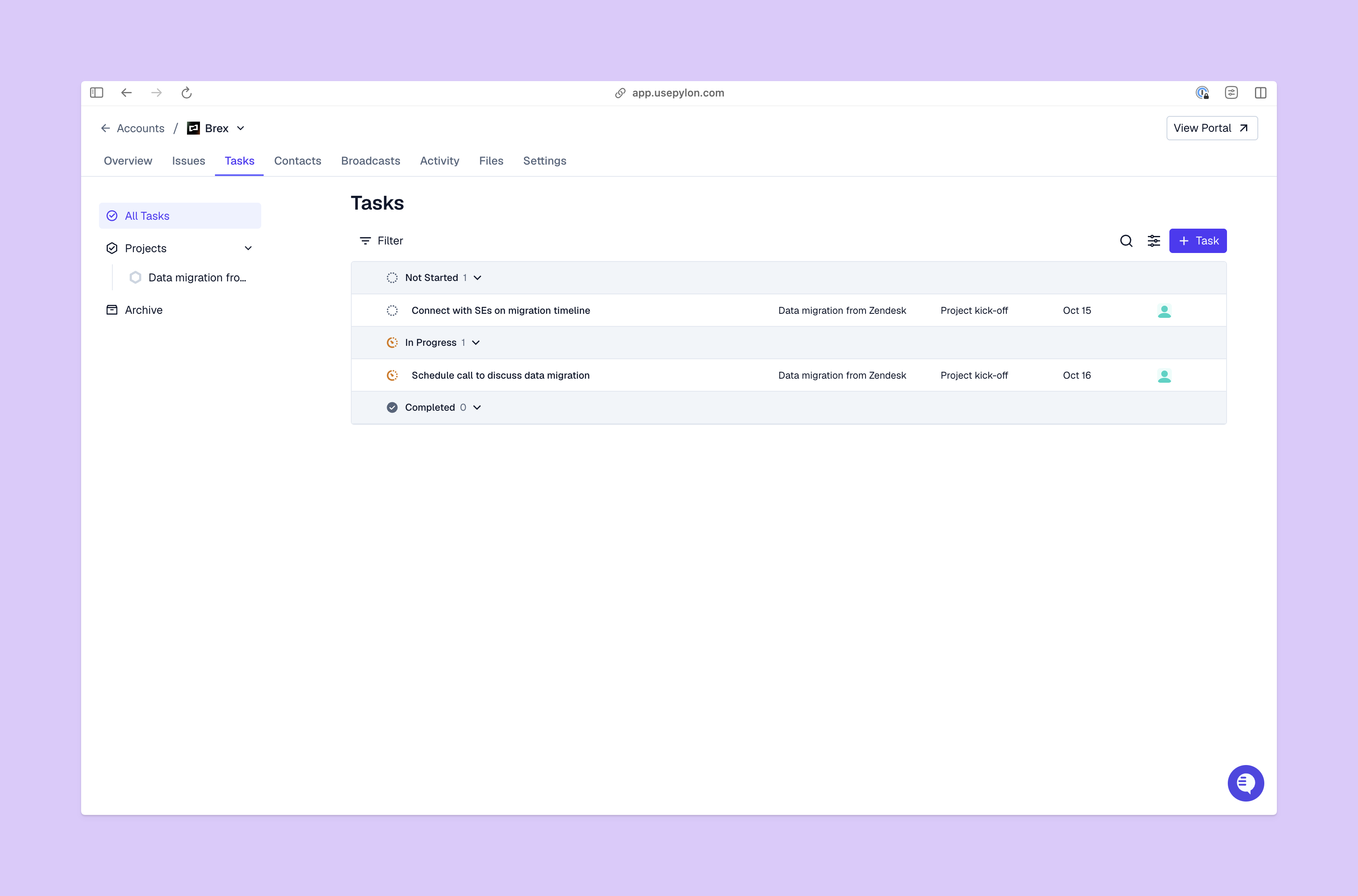
Most problems build gradually. Product usage varies, questions go unanswered, and priorities change. Without clear ownership, these signals go unnoticed until renewal conversations begin.
Client success management lets teams stay close to important accounts while there’s still time to respond. Usage visibility gives teams more time to adjust support or involve others to keep customers active and happy.
When customers get regular follow-through and timely support, they’re more likely to keep using your product or service. Clear communication minimizes the risk of last-minute renewal pressure and keeps everyone aligned.
Regularly giving customers direction helps them understand how to use your offering in their daily processes. As adoption increases, customers tend to get more from the product or service than they would from setup alone.
It’s easier to identify churn risk when you’re regularly reviewing activity patterns. This gives teams time to connect with the account and address problems before they lead to cancellations.
Strong client success management depends on a small set of customer success strategies and best practices. Here’s how teams work closely with accounts for encouragement and to help them achieve their goals.
Client success managers need to communicate clearly and often. That means setting expectations, following up on open and resolved problems, and keeping conversations compassionate and grounded in the account’s goals.
Support history and activity patterns help client success managers decide where to focus their time. Many teams rely on customer success software to pull this information together and review patterns more efficiently.
Issues can build up before customers ask for assistance. Pay attention to questions, delays, or changes in behavior to address problems before they grow.
Regular outreach keeps accounts from going quiet between milestones. You can also gather feedback and share it with internal teams to boost how the product and support experiences evolve.
These check-ins are also good opportunities for client success managers to build stronger relationships. For example, you can follow up with customers a week after the support team resolves their ticket to see how things are going and if there's anything else you can do for them. This connection tells them you think about their wellbeing outside of your interactions, which builds trust in your company.
.png)
Client success management works best as a steady part of account support. Clear points of contact, consistent follow-up, and attention to how customers are actually using your offering helps them reach their goals and trust your company. A strong customer support software makes it easier to take care of customers with a high lifetime value by keeping your account text and interactions all in one place.
Pylon is the modern B2B support platform that offers true omnichannel support across Slack, Teams, email, chat, ticket forms, and more. Our AI Agents and Assistants automate busywork and reduce response times. Plus, with Account Intelligence that unifies scattered customer signals to calculate health scores and identify churn risk, we're built for customer success at scale.
They’re closely related, but client success management is often used in high-touch or service-driven environments where relationships are more personalized.
Companies typically adopt client success management when retention, renewals, or long-term client value become critical growth priorities.
Yes. Client success management is common in professional services, agencies, and B2B organizations with ongoing client relationships.
Pylon Workforce Management is available now. See it in action with a live demo.