Register for our upcoming webinar → How Haus Analytics rebuilt its support automation



When your customer support team reliably helps customers meet their needs, those accounts become more satisfied with your company over time. Any time they need a problem solved, they know they can count on your support team to fix it quickly. Over time, this trust builds a stronger relationship between the account and your company — and leads to more contract renewals.
Whether you’re building a new customer support team or looking for growth areas, these 10 customer support skills will help your team provide the best services possible.
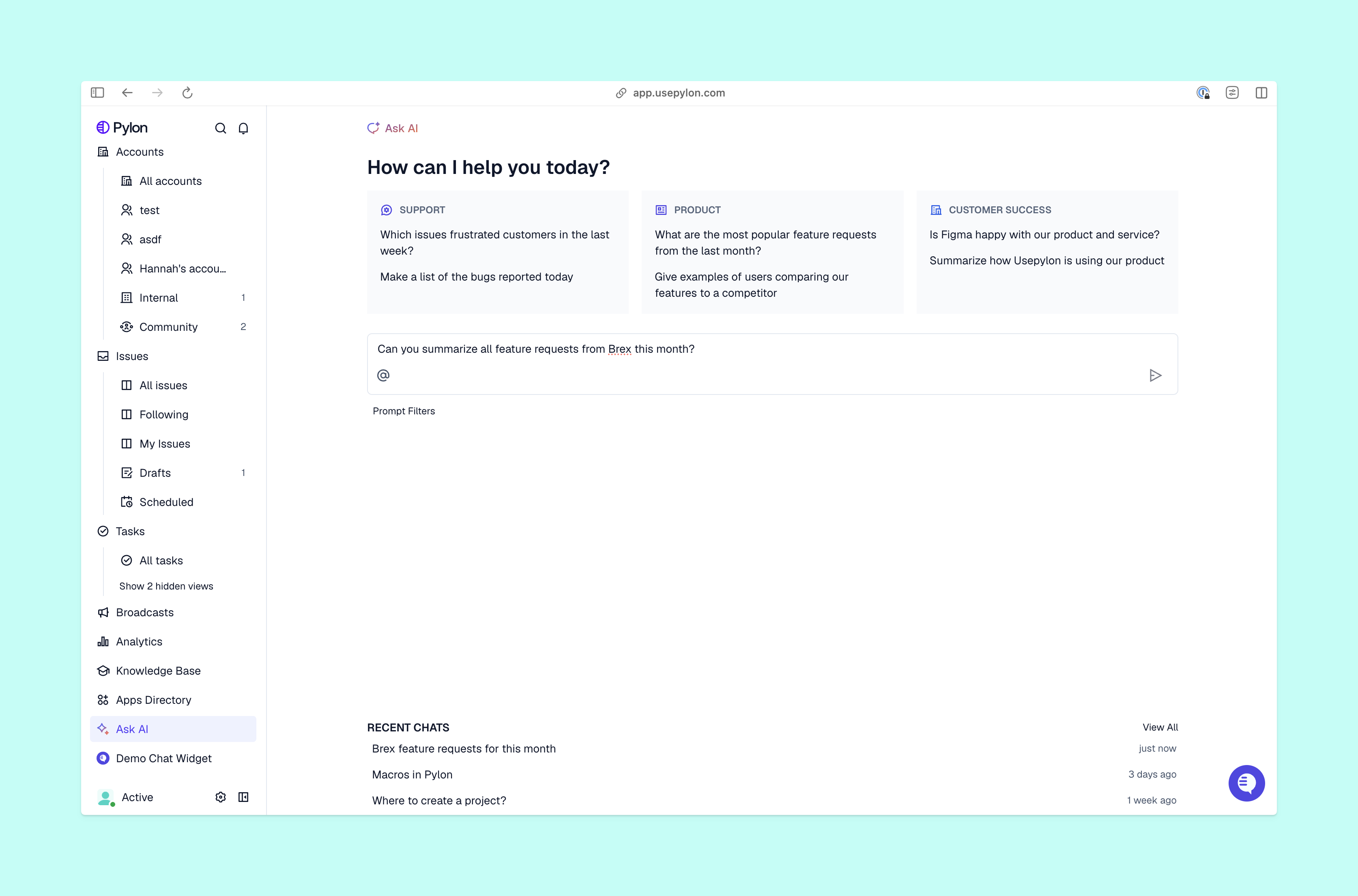
Support teams help customers after they’ve signed a contract with your company, guiding them through product usage and answering questions or problem-solving as issues come up. Their necessary support skills center around communication with customers, but also involve collaboration, problem-solving, and time management.
Good customer support can be the deciding factor between your company and your competitor. It’s very important to customers: Research suggests that 3 in 4 B2B customers will switch to a company that offers great customer support and spends more with them. About the same number of customers will also switch to a competitor after multiple bad experiences.
A few benefits of strong customer support include:
Great customer support should be:
To put the principles of effective customer support into action, your team needs to learn customer interaction skills and get detailed training on how to use them.
Here are the 10 best skills for customer service.
When your team talks to customers — no matter the format or channel — they need to express their ideas clearly and logically, actively listen to the customer, and stay engaged. They can show their communication skills through little things like repeating back relevant information to make sure both people are on the same page and speaking with a friendly and understanding (but professional) tone.
When your team has to deliver bad news, they should know how to do it with positive or supportive language. Offer alternative solutions, highlighting what the customer can do instead of what they can’t.
Customers may be upset or frustrated when they contact you, especially if they’re reaching out with a problem, and your customer support team has to empathize and understand the source of that frustration. No matter how customers reach out, they’ll need to regulate their own emotions and stay focused on solving the problem.
Your team needs patience and resilience to deal with difficult situations. They may need to repeatedly answer the same questions from the same customer, or take the time to explain a simple solution in several different ways until the customer understands. When those solutions don’t work and customers get frustrated, your team has to continue coming up with new ideas to offer the best experience possible.
In some cases, your team will need to advocate for the customer internally. They’ll need to persuade people on other post-sales teams to follow through on the customer’s request or fix their problem. Then, when your team has collaborated with others and found a solution, they’ll need to persuade the customer to adopt that solution, even if it’s not what the customer initially wanted to hear.
Once your team has communicated clearly with the customer and understood their needs, they have to actually fix the customer’s problem. For issues beyond simple help requests and technical difficulties, they’ll need to think outside the box. Listening for small clues from the customer’s report, comparing the situation with past experiences, and being willing to take suggestions from others can guide them to a solution faster.
Customers expect the person handling their question to know the company and product inside out. Your team won’t be able to solve problems or give accurate answers if they don’t fully understand the offering themselves. Hire people who are knowledgeable about your industry and train them on the specifics of your product or service. A solid internal knowledge base is helpful, too.
When problems can’t be solved immediately, your team should follow up regularly — both internally and with the customer. The best customer support teams reach out even after a ticket is closed, just to make sure everything is running smoothly. That kind of extra attention will impress customers and build trust that their needs will be taken care of with your company.
B2B support teams often deal with high ticket volumes and communication with multiple customers across just as many channels. They have to manage their time well and know how to prioritize their tasks so nothing important gets left behind. Productivity training helps, and a good customer support platform takes some of the mental load off your team.
If you hire people who are keen to learn customer support skills and willing to listen to feedback, you’ll see constant improvement in your team’s performance. Tools and techniques in B2B industries are always evolving, so your team needs to be willing to keep developing their skills to stay on top of expectations and competition.

Here’s how you can help your team improve their customer support skills:
Every interaction is an opportunity to build trust, so train your team members to make the most of them. With all-in customer support software, customer support teams can focus on these relationships instead of fielding simple requests and manually tracking interactions.
Pylon is the modern B2B support platform that offers true omnichannel support across Slack, Teams, email, chat, ticket forms, and more. Our AI Agents and Assistants automate busywork and reduce response times. Plus, with Account Intelligence that unifies scattered customer signals to calculate health scores and identify churn risk, we're built for customer success at scale.
Success in customer support centers on speed, empathy, and accuracy. Customers expect immediate interaction when contacting a company, and 3 in 4 will spend more with companies that provide a great experience.
Key elements include omnichannel accessibility and personalization. Most customers expect anyone they interact with to have the full context of their situation, regardless of the channel.
Essential skills blend emotional intelligence with technical proficiency. Modern support teams also need AI literacy, because many teams believe AI copilots improve their ability to deliver better service.
The primary duties are problem resolution, clear communication, and advocating for the customer. Teams should also prioritize speed, as customers want their issues resolved during the very first interaction.
Pylon Workforce Management is available now. See it in action with a live demo.