
As your customer base grows, it gets harder to juggle support tickets, check-ins, outreach, and all the other elements of a customer-centric experience. But if you lean on customer operations best practices, you can keep everything organized and consistent, even in B2B support — where accounts are complex and relationships last for years.
In this guide, we’ll explain the important role of customer operations, then offer some tips to improve it.
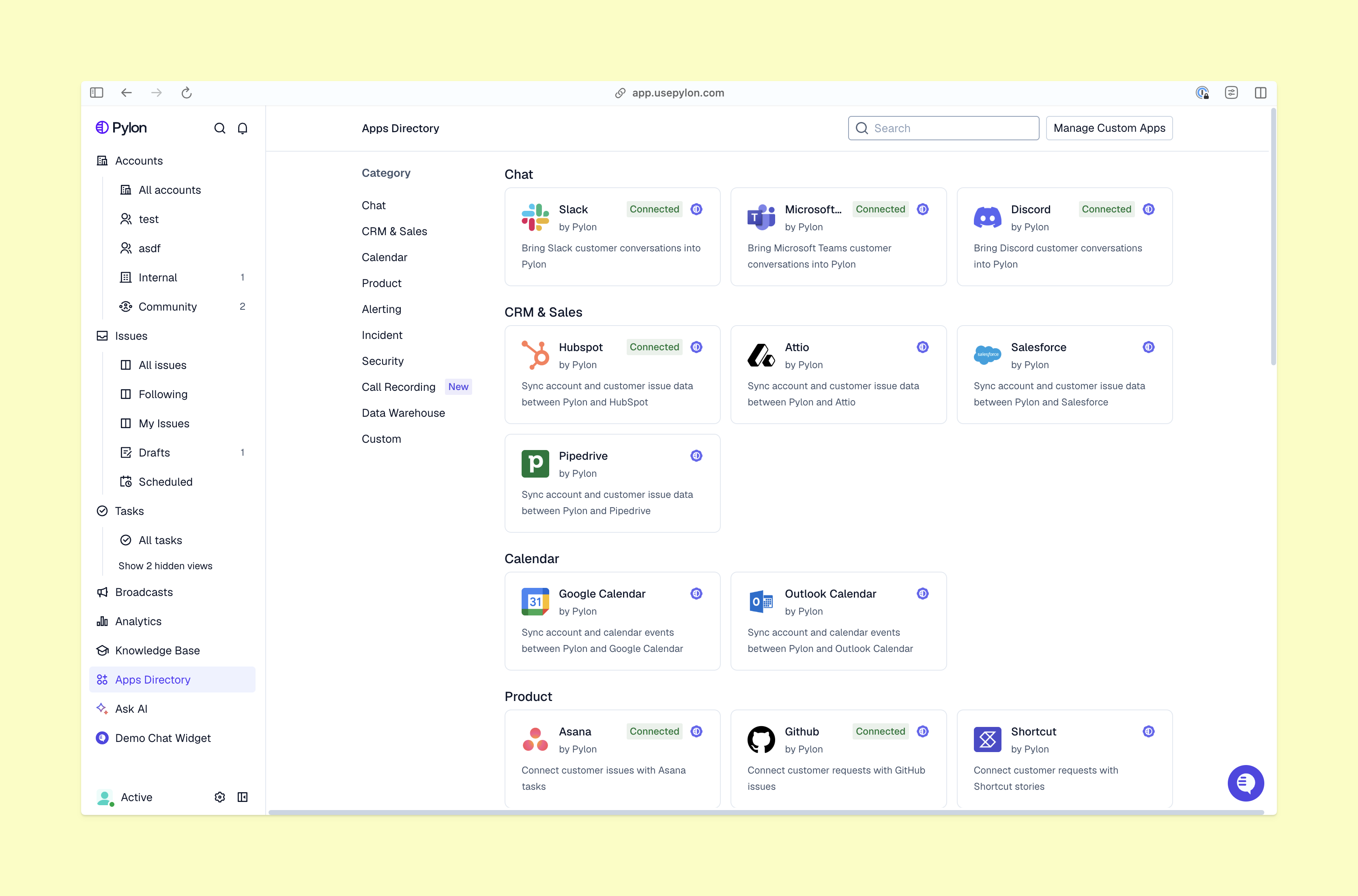
Customer operations is all the admin work needed to keep customer engagement and satisfaction high. Your team has to create playbooks and workflows, manage customer support tools, monitor metrics, and review survey feedback.
When you clearly define these processes, you make sure issues get fixed quickly, handoffs happen smoothly, and insights actually lead to action. Plus, you help your team work confidently and handle a larger book of business, so they can create a top-quality experience that retains accounts and grows long-term relationships.
Good operations rely on a team that puts customer success first. So before we talk about best practices, here’s how to build a post-sales team that’s ready to take action.
Support and customer success teams perform best when everyone knows what they’re responsible for and has all the info they need at hand. So give them:
Each team member should know the customer’s goals and make decisions that meet account needs. Make that info visible with:
When expectations are clear, your team knows what goals to work toward and customers can feel more confident in your support. Set the tone for strong interactions with:
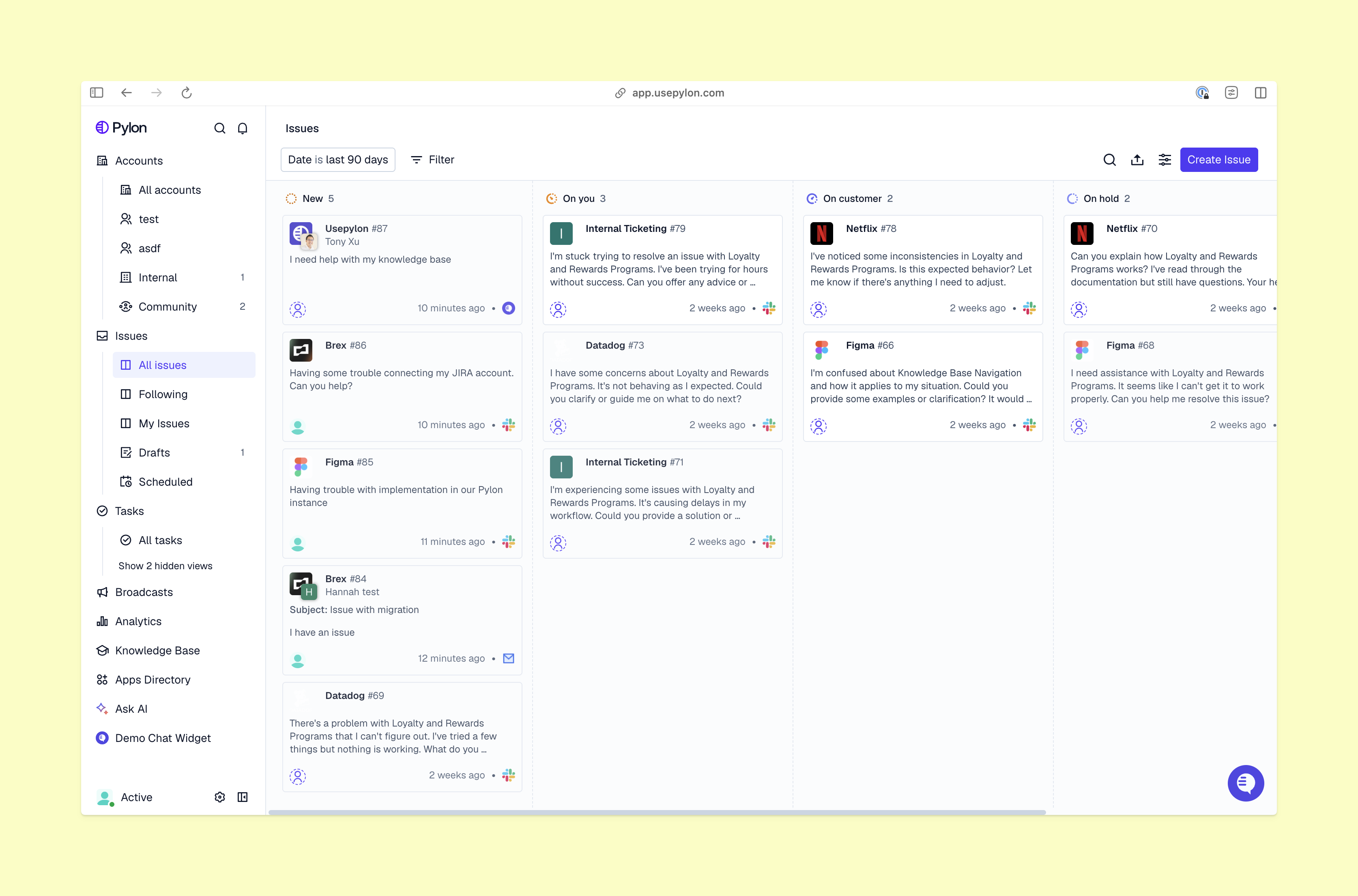
These customer care best practices will help your team organize and scale operations.
Clear processes keep support and customer success work consistent and easier to manage. To avoid confusion and fix issues faster, make sure your team has clear steps to follow for common requests and tasks. Shared guidelines also simplify onboarding, since new team members can get up to speed quickly.
Customer support metrics show where workflows break down and how you can improve support quality. Track key performance indicators like response time and resolution speed, and combine that data with customer feedback to see what works and what needs more attention.
Automation cuts down on manual tasks and helps your team work faster. Look for tools with custom triggers for routing assignments and triggering follow-ups, so your team can spend more time solving complex customer issues. AI assistants help them move even quicker by finding information and suggesting replies, while AI agents give customers immediate answers.
Customers expect support in their preferred channels, from email and chat to in-app messaging and tickets. With omnichannel support, you can connect all these platforms and give customers consistent help however they reach out. Plus, conversations stay organized and support teams can always access customer context.
To improve customer operations, you need tools and techniques that help your team stay organized and deliver reliable support — even while account volume and complexity increase. Standardize workflows, streamline handoffs, rely on automation and AI, and use data to guide decisions. These best practices lead to better support quality, which means higher customer satisfaction and success.
Pylon is the modern B2B support platform that offers true omnichannel support across Slack, Teams, email, chat, ticket forms, and more. Our AI Agents and Assistants automate busywork and reduce response times. Plus, with Account Intelligence that unifies scattered customer signals to calculate health scores and identify churn risk, we're built for customer success at scale.
A business can use data to improve its customer support by tracking customer behavior, identifying common issues, personalizing interactions, and predicting needs to provide faster and more effective support.
A business can improve its customer operations by teaching employees good communication and empathy, using AI to work faster, collecting customer feedback, and giving timely, personalized help.
Pylon Workforce Management is available now. See it in action with a live demo.