
In B2B customer support, some issues require more effort from your team than others. A standard password reset request can probably be resolved with agentic AI support, while a key account losing team-wide feature access likely requires some human intervention.
Customer escalation management defines how teams handle these moments without losing context or control. When done well, issues move quickly between support levels, next steps are clear, and customers don’t have to repeat themselves.
This article covers how to handle customer escalations, including various types of escalations and how to reduce issue volume as you scale.
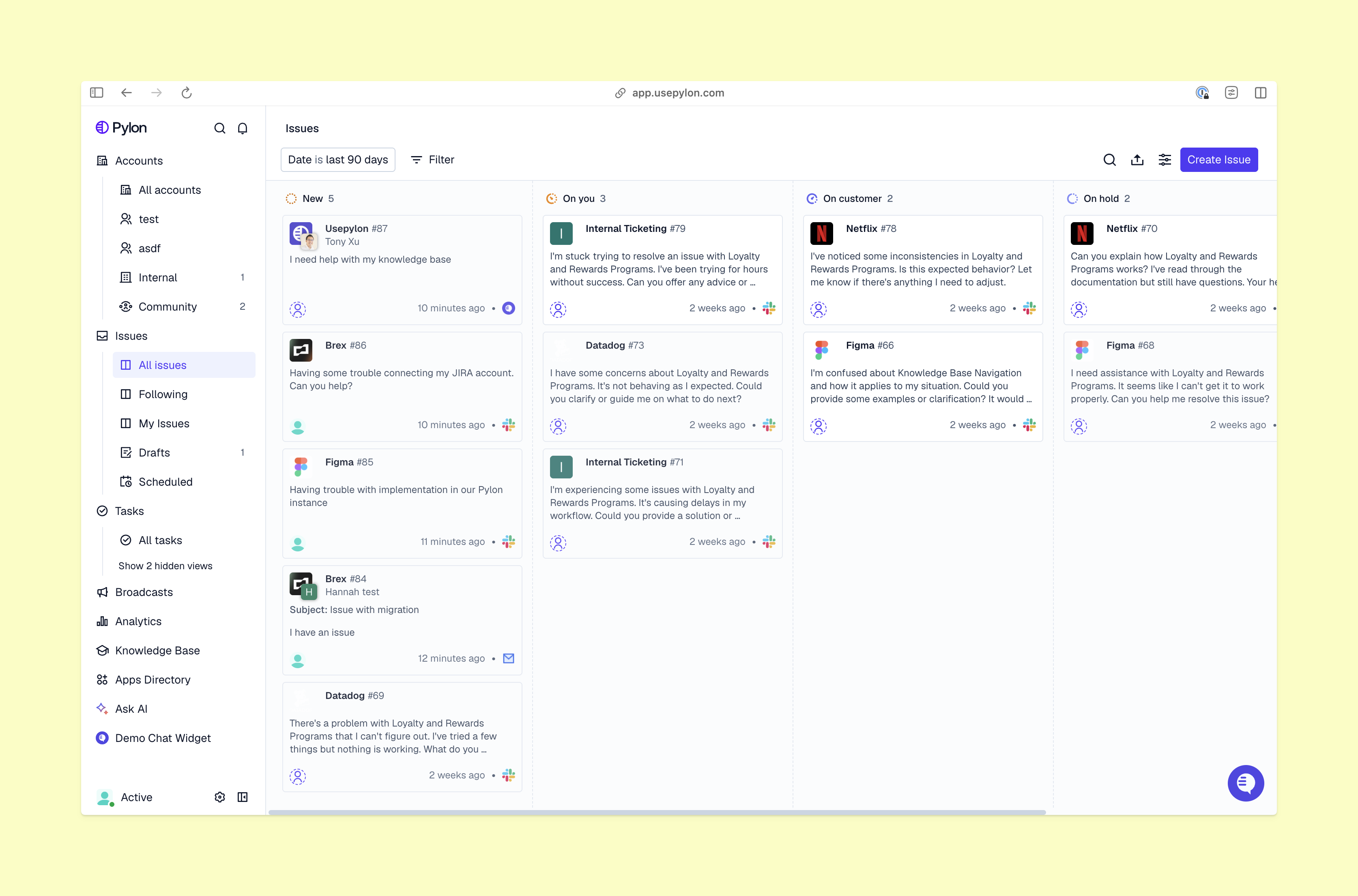
Customer escalation management is the process your team uses to identify, route, and resolve support issues that require additional expertise. Managing escalations usually falls outside normal workflows because of these issues’ urgency or complexity.
An escalation department often supports coordination and visibility, and in B2B environments, escalations typically require alignment across multiple teams. They may even involve account leaders when timelines, renewals, or key customer success strategy goals are at stake.
Common escalation management processes focus on:
Without these fundamentals, escalations tend to stall between teams or create confusion for customers.
Here are some of the most common escalation patterns support teams encounter.
Functional escalations happen when a request lands with customer support, but they don’t have the technical context to resolve the issue. These cases require investigation or action from some other function, like engineering, finance, or product teams. Common examples include:
Hierarchical escalations happen when resolving the issue requires someone with more authority than the support team, like a support manager, customer success leader, or account owner. These escalations usually occur when the situation carries higher risks, so leaders need to be involved in choosing next steps. Common examples include:
Automated escalation happens when automated systems detect signals that a conversation is becoming high-risk or time-sensitive, and escalate the issue automatically based on predefined rules. These escalations are triggered by patterns that predict dissatisfaction, delay, or business impact, and this can happen even before a customer explicitly asks to escalate an issue. Common triggers include:
Priority escalations are defined by urgency/time-sensitivity and impact instead of complexity. These cases often involve external deadlines where delays have real operational consequences, and the main challenge is speed and coordination. Common examples include:
The following best practices help teams handle escalations at scale:
While escalations can’t be avoided entirely, many can be reduced through better visibility and coordination. The strategies below help teams intervene earlier in the process.
Consistent communication during onboarding, product updates, and transitions limits misunderstandings that later turn into escalations. When building team workflows, bake in chances to update each other, like frequent huddles and monthly incident response reviews. You could also centralize account information and knowledge bases so everyone has a single source of truth they can turn to for more information and context on an issue.
Support teams are better positioned to prevent escalations when they recognize early warning signals. Use past cases to train team members on escalation signals — both obvious ones and more subtle ones that might be open to interpretation. State what you expect in these instances, and schedule regular training sessions so you can go over new patterns or escalation management breakdowns you want to address.
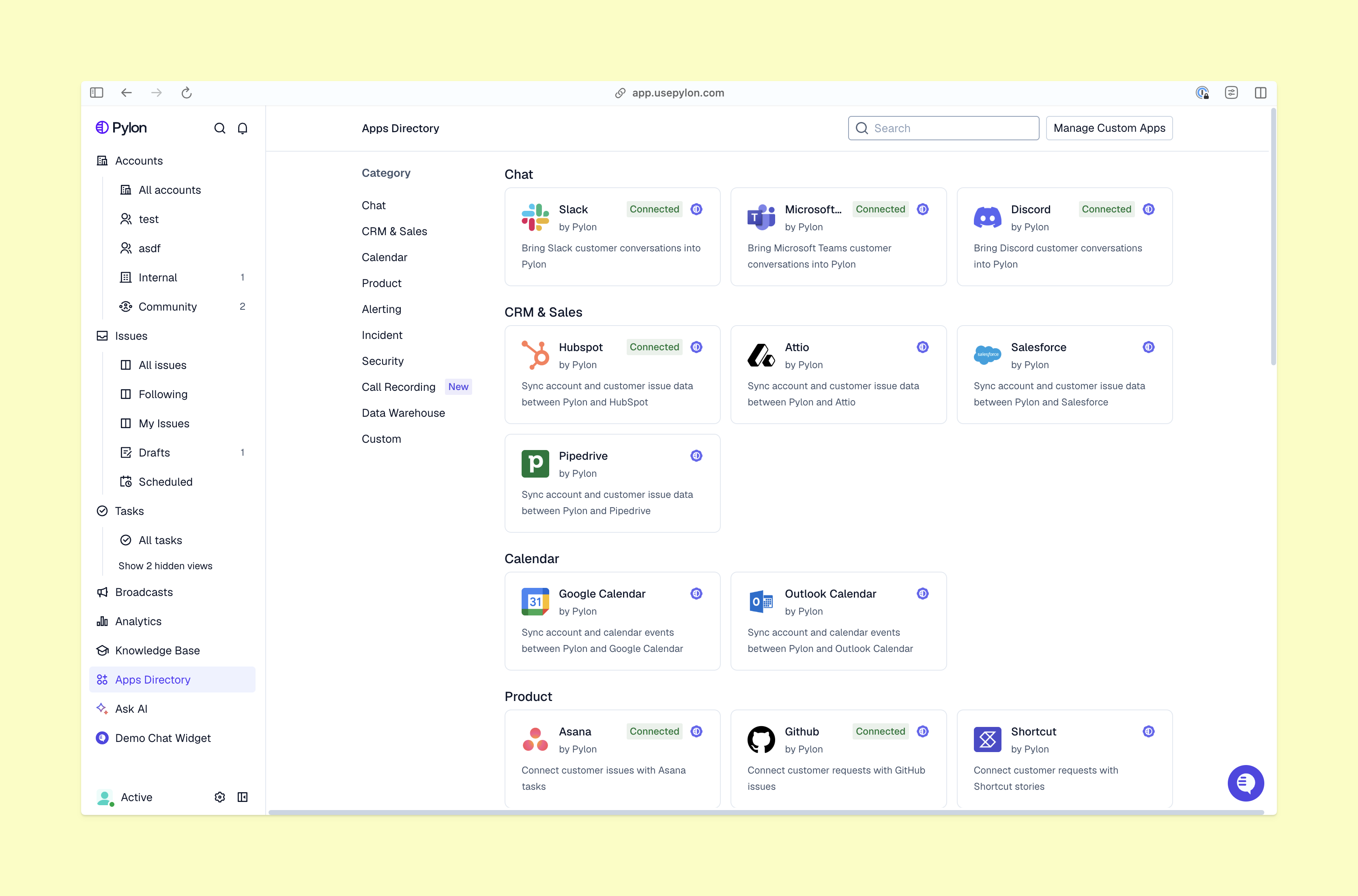
Modern, automated AI escalation tools speed up the escalation process by moving issues along based on indicators and triggers you set. You can be quite specific with these settings when implementing AI automation, so tasks make it to the right department and don’t get lost.
Even with well-designed escalation management, the following challenges tend to surface as teams scale and issue complexity increases:
Customer escalations often highlight the moments that matter most to your accounts. When handled with clarity and coordination, they can reinforce trust instead of damaging it.
Modern escalation management relies on shared context, defined ownership, and timely coordination. With the right structure and clear insight, support teams can adapt escalation practices as products and expectations evolve.
Pylon is the modern B2B support platform that offers true omnichannel support across Slack, Teams, email, chat, ticket forms, and more. Our AI Agents and Assistants automate busywork and reduce response times. Plus, with Account Intelligence that unifies scattered customer signals to calculate health scores and identify churn risk, we're built for customer success at scale.
Customer escalation management is a structured strategy for addressing complex issues that standard support channels cannot resolve. Systematic management reduces churn and builds trust, especially since 78% of customers will forgive a mistake if service is excellent.
Key techniques include active listening (cited as pivotal by 46% of pros), remaining neutral to avoid emotional reactions, and offering monetary solutions like refunds or promos to pivot toward a resolution.
An example is functional escalation, where a technical ticket is moved from a generalist to a specialist. For instance, if a server fails, your customer support team transfers the issue to the technical support team for immediate expert resolution.
Pylon Workforce Management is available now. See it in action with a live demo.