
Customer care and customer support are both important in B2B, since each can have a big impact on retention. Both strategies are about meeting customer needs and building strong relationships, but they tackle those goals in different ways.
In this article, we’ll explain the differences between customer care versus customer support, and look at how to combine these strategies to boost success.
Customer care is a set of strategies to improve interactions with customers and build trust. Similar to customer success, customer care is a big-picture approach that aims to make each account feel valued.
Customer support is the team that responds to questions and troubleshoots product issues for customers. This work is often more reactive and focused on individual interactions instead of the whole relationship.
There can be some overlap between the two — for example, good customer care includes answering questions, and great customer support often needs a proactive, broad approach. But it’s important to establish clear definitions and boundaries, so you can set high standards for both care and support.
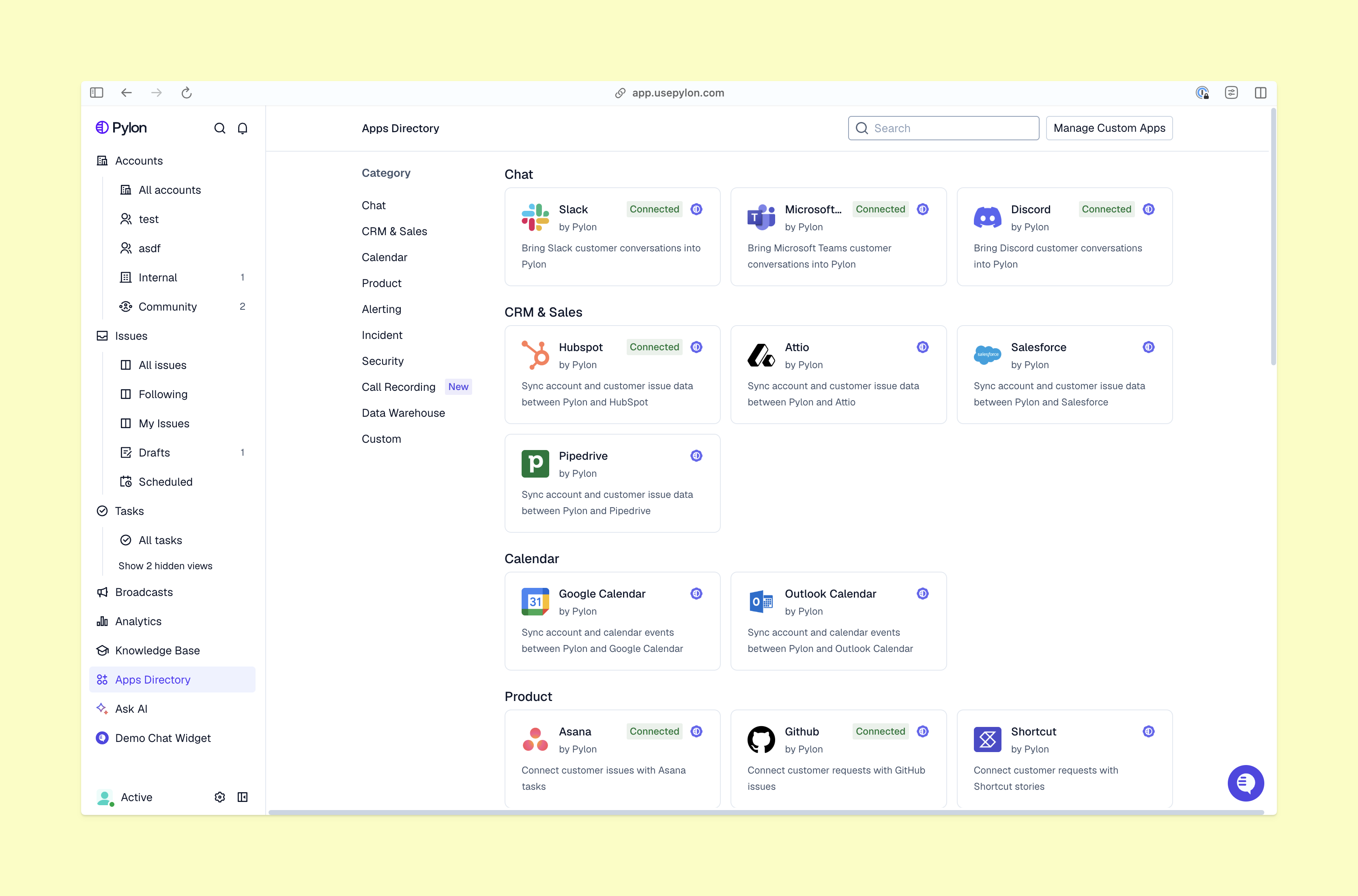
The following metrics help you measure how well your team handles customer care and support. You’ll need an omnichannel platform to track and organize these data points from all your support channels.
Customer care metrics include:
Customer support metrics include:
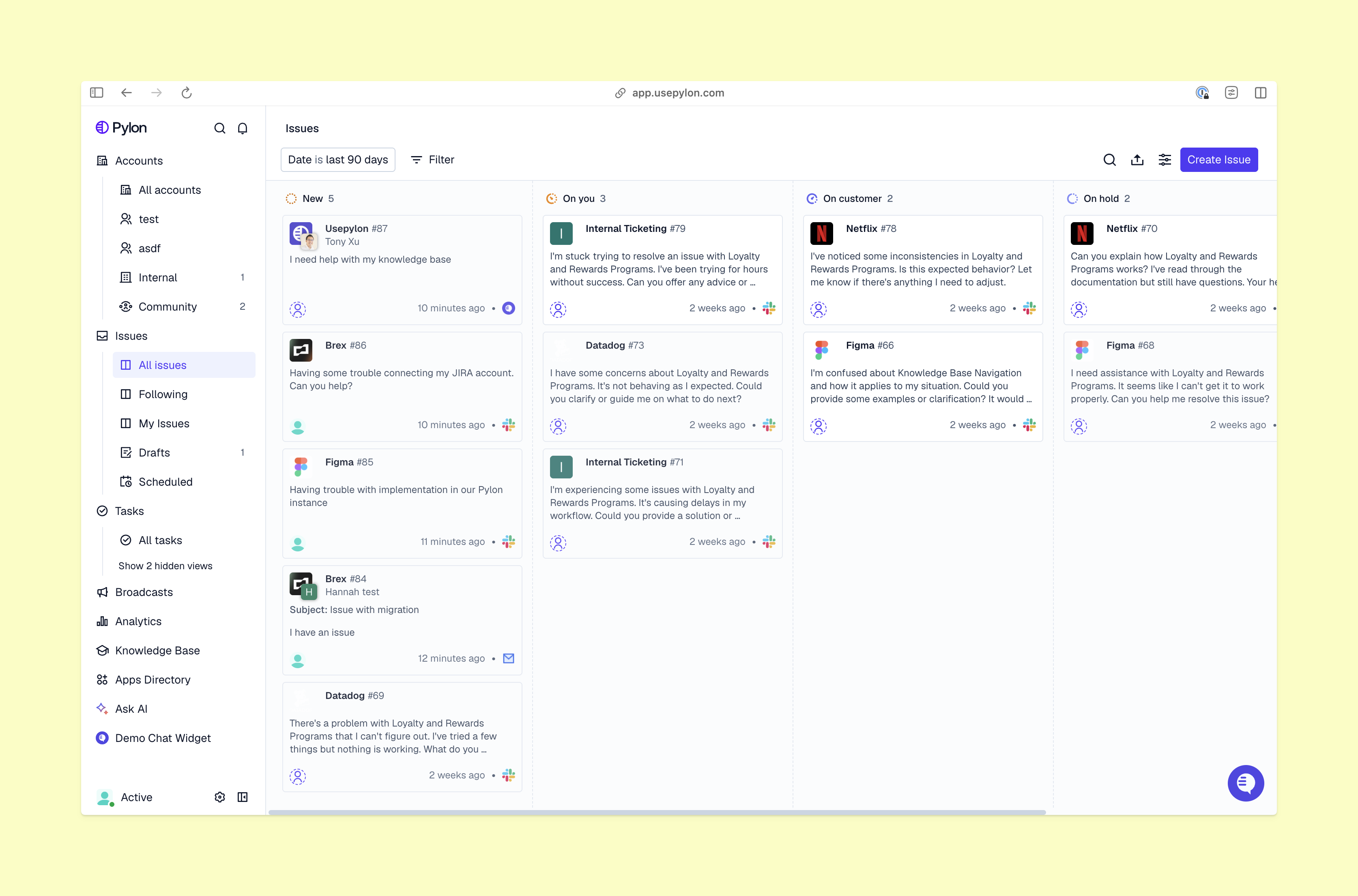
Here are the most important differences between customer care and customer support. Understanding these boundaries helps you set better goals and interact with customers successfully.
| Category | Customer care | Customer support |
|---|---|---|
| Approach | Proactive, based on anticipating needs | Reactive, usually relies on customers to report issues |
| Time frame | Focused on long-term targets for customer satisfaction and retention, with ongoing communication throughout the customer journey | Focused on meeting immediate customer needs, with communication at specific times and usually started by the customer |
| Scope | Broad, covers the entire customer relationship | Narrower, focused on individual customer interactions |
| Measures of success | Relationship metrics and qualitative experience surveys | Support efficiency metrics |
| Customer interactions | Empathetic interactions aimed at building trust and connection | Quick, helpful responses to specific questions |
| Modes of communication | Longer messages and face-to-face conversations | Mainly via customer support tickets |
| Goals | Emotional connection, make customers feel cared for and valued | Speed and accuracy, meet customer needs and help them use the product |
Good customer support helps people get the most from your service, while customer care improves overall relationship health. When used together, these strategies can lead to higher retention, stronger trust, better brand reputation, and more reliable revenue from contract renewals.
Here are some ways to combine care and support to offer a quality customer experience.
Although customer support and customer care are different, they should work together. Insights from customer care can improve the way you offer support, and good support is a key part of strong care. Departmental silos harm the customer experience, so break down those barriers and make it easy for your team to access all the information and expertise they need.
To give outstanding support and care, you need to meet customers where they are. Pylon’s omnichannel support platform helps your team talk with customers across tools like Slack, Discord, email, and chat. With Account Intelligence, Pylon also improves customer care because it centralizes account context across your support interactions and gives your team a full 360 view of each relationship.
Both customer support and care can be part of your overall customer success strategy. To keep everything on the same page, define the principles you’ll follow as you work with customers, the ways you’ll meet their needs, and the metrics you’ll use to measure success. Then constantly track your progress and improve your strategy as needed.
Train your team to make sure they always follow best practices for customer support and care. Offer plenty of onboarding to help new team members get up to speed fast, then add regular training to keep customer support skills sharp. You can give your team day-to-day support through feedback, recognition, and mentoring.
A strong customer support platform is the best way to manage communication and make sure nothing gets missed. You’ll want messaging and teamwork tools, automation and AI, organized ticketing, and detailed reporting. And if this is all in a single place, your support team can prioritize and answer questions fast, and customer care representatives can track relationship health.
AI in particular is a useful tool, since it can review customer messages to track sentiment and find issues. Plus, you can use AI to personalize communication at scale, and make customers feel valued through tailored suggestions and usage-based recommendations.
It's important to keep the whole company and its culture focused on meeting customer needs, so that every decision is made with the right context. When even product and dev teams care about customer success, you create more useful products that keep people happy and help them hit their goals.
Both customer support and care depend on regular feedback, so ask for comments and ratings and run regular surveys. Then use what you learn to improve your service. This positive feedback loop also shows customers that you listen and care about their opinions.
To be successful in B2B, you need to excel at both customer care and support. That's a lot easier if your customer-facing teams have tools that help them work fast and meet needs. Pylon gives you everything you’ll need to offer great support and customer care.
Pylon is the modern B2B support platform that offers true omnichannel support across Slack, Teams, email, chat, ticket forms, and more. Our AI Agents and Assistants automate busywork and reduce response times. Plus, with Account Intelligence that unifies scattered customer signals to calculate health scores and identify churn risk, we're built for customer success at scale.
Customer support is reactive and focuses on solving technical issues or product bugs. In contrast, customer care is a proactive, long-term approach aimed at nurturing the emotional relationship between your team and the customer.
Customer care details include personalized interactions, active listening, and addressing emotional needs. It moves beyond "closing tickets" to make sure customers feel heard and valued.
Good support is defined by resolution, speed, and knowledge. Most customers expect immediate interaction when they contact a company, and a high-quality experience makes consumers more likely to make another purchase.
The four C's are compassion, competence, convenience, and consistency. These pillars ensure that support teams handle problems with empathy, possess the right technical knowledge, offer easy access to help, and provide a steady, predictable experience across all channels.
Pylon Workforce Management is available now. See it in action with a live demo.