
Service level agreements (SLAs) are formal contracts between service providers and their customers. They set specific objectives to help B2B SaaS companies demonstrate their reliability to customers by committing to specific targets around uptime, response times, and issue resolution.
This article explores the structure and management of SLAs and their importance for customer success. We’ll look at common types of SLAs, the essential components of a robust service contract, and best practices to track and manage them successfully.
Now that we’ve covered the basic meaning of an SLA, here are the main types to consider.
These broad SLAs are the standards that apply to every customer who uses a product or service. For example, a cloud platform may guarantee 99.9% monthly uptime and specific KPIs for customer support requests, security, and data recovery. If the service fails to meet those targets customers receive service credits, which are partial refunds or discounts on future services.
In addition to service-based SLAs, B2B companies often sign customized SLA contracts for accounts with unique needs. These agreements define specific objectives that reflect each customer’s workflow and operational priorities.
For example, a customer-based SLA might offer priority support with faster response times or include support for custom features and integrations that require specialized handling.
Multilevel SLAs are ideal when you offer different service tiers. You can specify each level within the same agreement, so you don’t need to sign a new contract when a customer upgrades or changes plans.
For example, you might have a Basic tier that gets support within business hours, a Pro tier that gets extended hours and faster response times, and an Enterprise tier with a dedicated customer success manager and faster resolution updates.
Companies use SLAs internally to specify the level of service one team expects from another. For example, the sales team and customer success team could sign an SLA to cover new customer onboarding. The sales team commits to provide all the relevant customer details within a specified time, and the customer success team agrees on deadlines to arrange kickoff calls and start onboarding.
A service level agreement contract needs to have these components to ensure that it’s clear, fair, and easy to enforce:
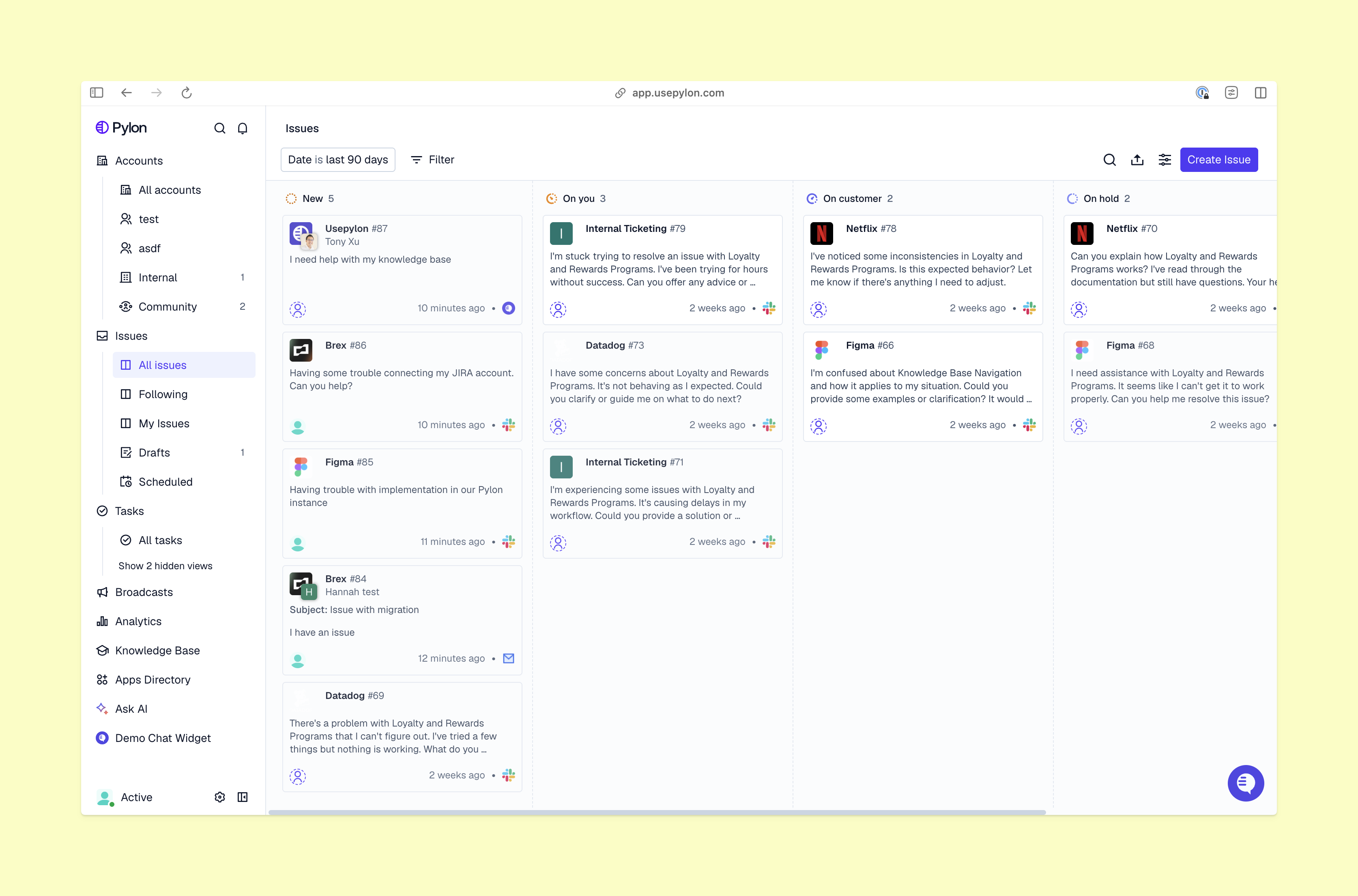
Well-constructed SLAs improve your team’s performance, establish accountability, and set the foundation for a better customer experience. Here’s a rundown of the main benefits of SLAs.
SLAs reduce disputes by defining acceptable service delivery standards. Your team has well-defined targets to hit, and your customers have specific metrics that define expected performance. This clarity reduces confusion during escalations and supports smoother resolution during incidents.
A strong SLA with clear commitments lays the foundation for customer retention. These agreements provide visibility into KPIs that reflect real operational behavior. That commitment shows you take compliance and accountability seriously. When customers trust you, they’re more likely to renew their contracts and form long-term partnerships.
SLAs help teams maintain consistent service delivery. Your team works to hit clearly defined service targets, which are the benchmark for customer support best practices. Real-time tracking tools also help teams escalate issues before they affect customers. This discipline supports predictable outcomes and reduces the impact of downtime.
Service quality commitments reduce risk for both sides and support long-term planning. The customer has a dependable baseline that defines the exact service levels they can rely on. And the service provider can use historical performance metrics to justify hiring decisions and tech stack investments.
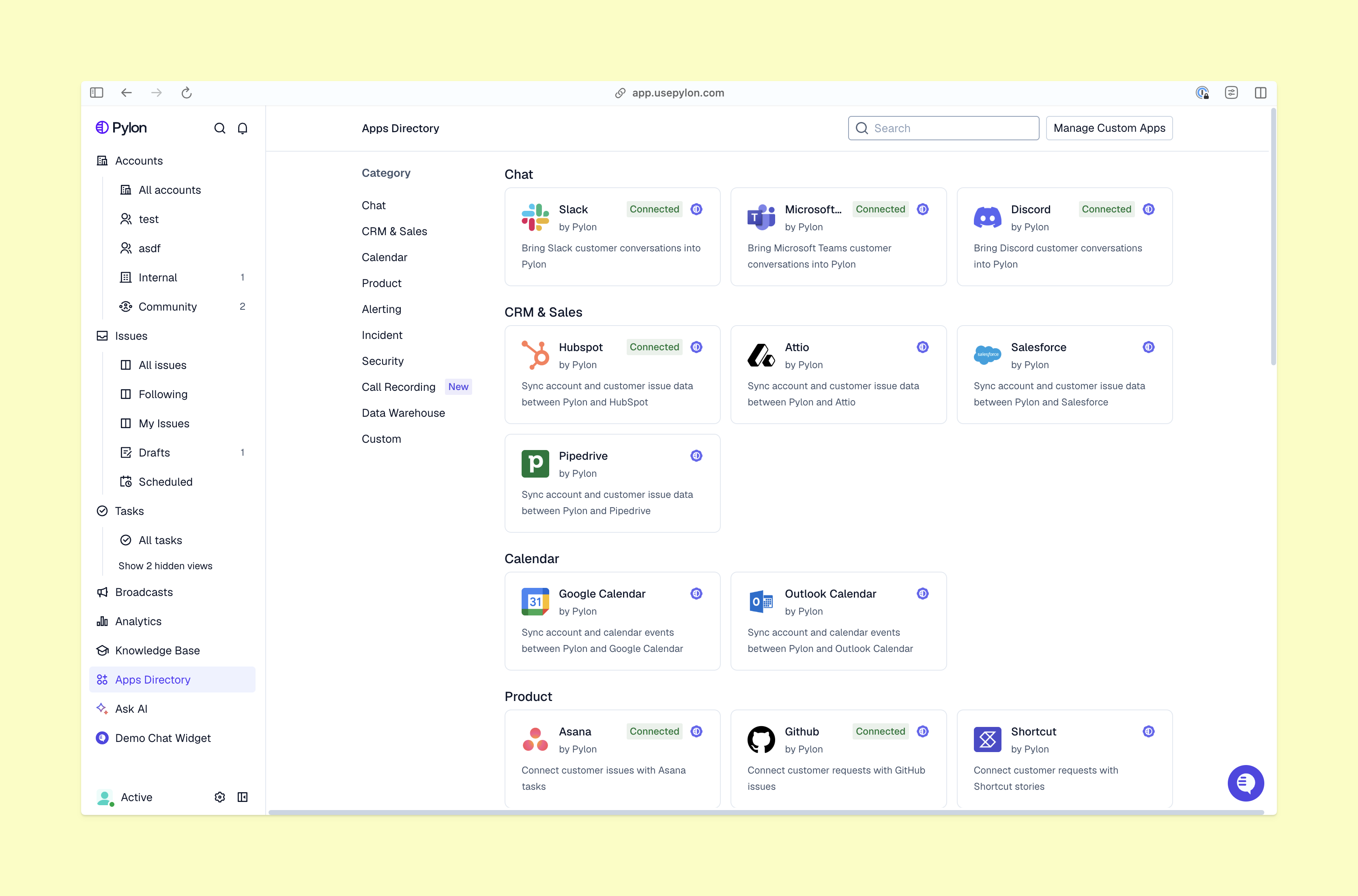
Follow these principles to create effective SLAs and maintain smooth management over time:
Clear SLAs help you build scalable and reliable business relationships. They set performance standards for your team and create predictability and trust for customers. They’re the foundation for strong long-term customer relationships. To maintain high performance standards, you need a customer support platform that tracks metrics in real time, manages high volumes, and notifies you automatically of SLA breaches.
Pylon is the modern B2B support platform that offers true omnichannel support across Slack, Teams, email, chat, ticket forms, and more. Our AI Agents and Assistants automate busywork and reduce response times. Plus, with Account Intelligence that unifies scattered customer signals to calculate health scores and identify churn risk, we're built for customer success at scale.
SLA stands for “service level agreement.” It defines the performance standards a service provider commits to deliver.
An SLA is the entire contract that includes legal consequences, while a service level objective (SLO) is a specific target within that agreement, such as 99.9% uptime.
SLAs ensure the third-party provider remains aligned with the company’s internal standards. Without them, there is no legal or operational baseline to hold the outsourcer accountable for poor performance.
Yes, but typically only through a formal amendment process agreed upon by both parties. Many modern companies include "review periods" within the original document to allow for periodic updates.
These are financial reimbursements or discounts provided to a customer when a service provider fails to meet the performance benchmarks defined in the agreement.
Pylon Workforce Management is available now. See it in action with a live demo.