
New employee onboarding prepares B2B support reps for high-value work. These employees need to handle sensitive, long-term customer relationships, and mistakes could risk company revenue. Research shows that 73% of customers will switch to a competitor after multiple bad experiences.
Onboarding support reps in B2B SaaS requires a careful, structured approach. The right guide walks new hires through their first 90 days and ramps them up from orientation to confident independence.
In this article, explore a detailed onboarding checklist, common gaps to avoid, and tools that support the process.
For B2B SaaS support reps, the learning curve is steep. In other corporate roles, new hires just need to learn about their own team. However, B2B support reps need in-depth product knowledge, deep customer context, and cross-department awareness — alongside team know-how.
Because these people work with so many parties, poor onboarding ripples out and impacts group performance and customer retention. Your team spends extra time as colleagues answer the new employee’s questions and fill in knowledge gaps. Further, customers quickly become frustrated when they get slow responses or inaccurate information.
Onboarding a new employee should work the same way every time. A structured, repeatable process empowers new hires with the resources they need to support complex B2B workflows.
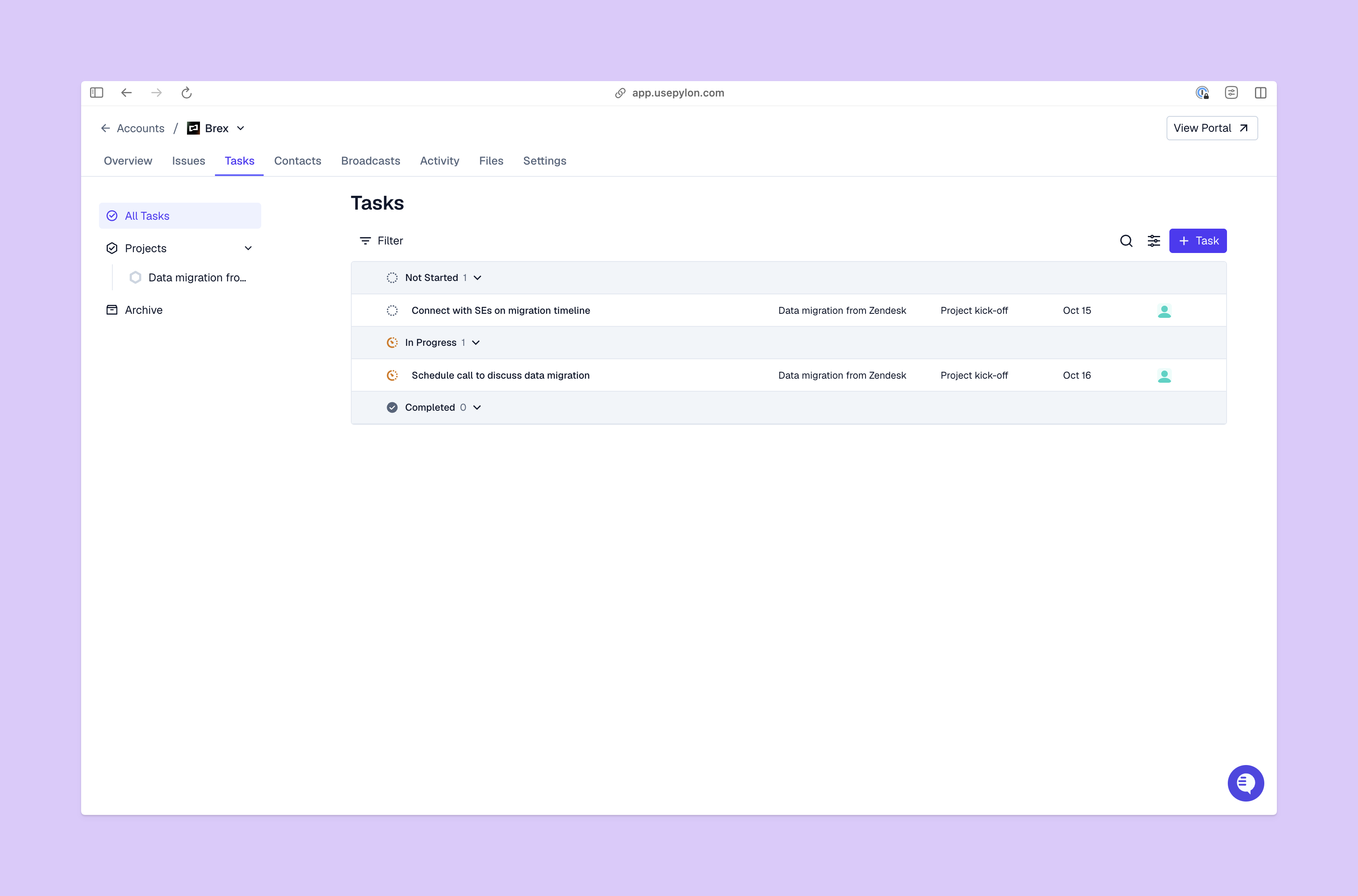
A strong process gets your new support reps to confident, independent performance as quickly as possible. Here’s a practical guide to create a strong hiring and onboarding process.
A good onboarding process starts before the new employee officially joins. Set up a preboarding workflow as part of the new hire process, so as soon as your new rep accepts the offer, you send documentation to help them start strong.
Send a welcome email, and attach resources like tool links, handbooks, and contact lists. Include important timelines, like when they start and when they need to complete onboarding. Don’t overwhelm them with too much information — stick to the essentials.
Don’t forget to give them a link to your knowledge base. This gives new hires a clear guide to your company’s culture, processes, and policies. Access to internal documentation lets B2B support reps strengthen product and department knowledge immediately.
Pro tip: Loop IT teams into preboarding, and ensure they’re ready to provision tools. Too many hires spend valuable time as they wait for software access.
Welcome new hires with full introductions to their direct managers and every member of the team. Help them become familiar with the organizational chart and the ways their work connects to the pre- and post-sales, engineering, and customer success teams.
Give them an overview of your SaaS product. At this stage, you don’t need to show them every feature. Just provide a general orientation so they understand what the product does, who the typical customers are, and how people use it.
Next, walk them through how support works and which tools the team uses. Show how tickets move through the system, where teammates log information, and when to escalate issues.
Finally, have new hires shadow experienced reps to see how they handle live tickets. This practical, hands-on exposure teaches them rapport and resolution techniques that a company handbook can’t.
After the first week, new reps start to move from observation to practice. Let them handle tickets and interact with customers themselves, at first under the supervision of mentors and direct managers.
Start with simple, routine queries, and gradually build up to more complex issues. If possible, give them exposure to repeated tickets from the same customer so they can focus on specific tasks and understand how customer relationships work in your organization.
When your new employees show they can handle tickets without much guidance, reduce supervision. Hold regular check-ins to provide feedback on wins and areas of improvement. This also gives them space to ask questions.
By day 60, most support reps work independently, but they’ll still need assistance with complex issues and problems they’ve never dealt with. However, you don’t need to treat every new hire the same. Some will learn more quickly, while others may need more support. Use the timings in these onboarding checklist examples as general guides, not hard and fast rules.
In the final stage of onboarding, review new hire performance against key benchmarks for B2B customer support. Most companies measure response times, resolution rates, and customer satisfaction scores.
If new teammates don’t meet benchmarks, talk to them and their manager to find out why. Coach them and provide specific resources to help them close the gap. For example, if their response times are slow because they struggle to use your support platform, schedule technical training.
As performance improves and reps become more confident, give them higher ticket volumes and trust them with more complex issues. By day 90, they should handle a full workload, with consistent, high-quality performance.
Here are the main areas where B2B SaaS onboarding programs often fall short:
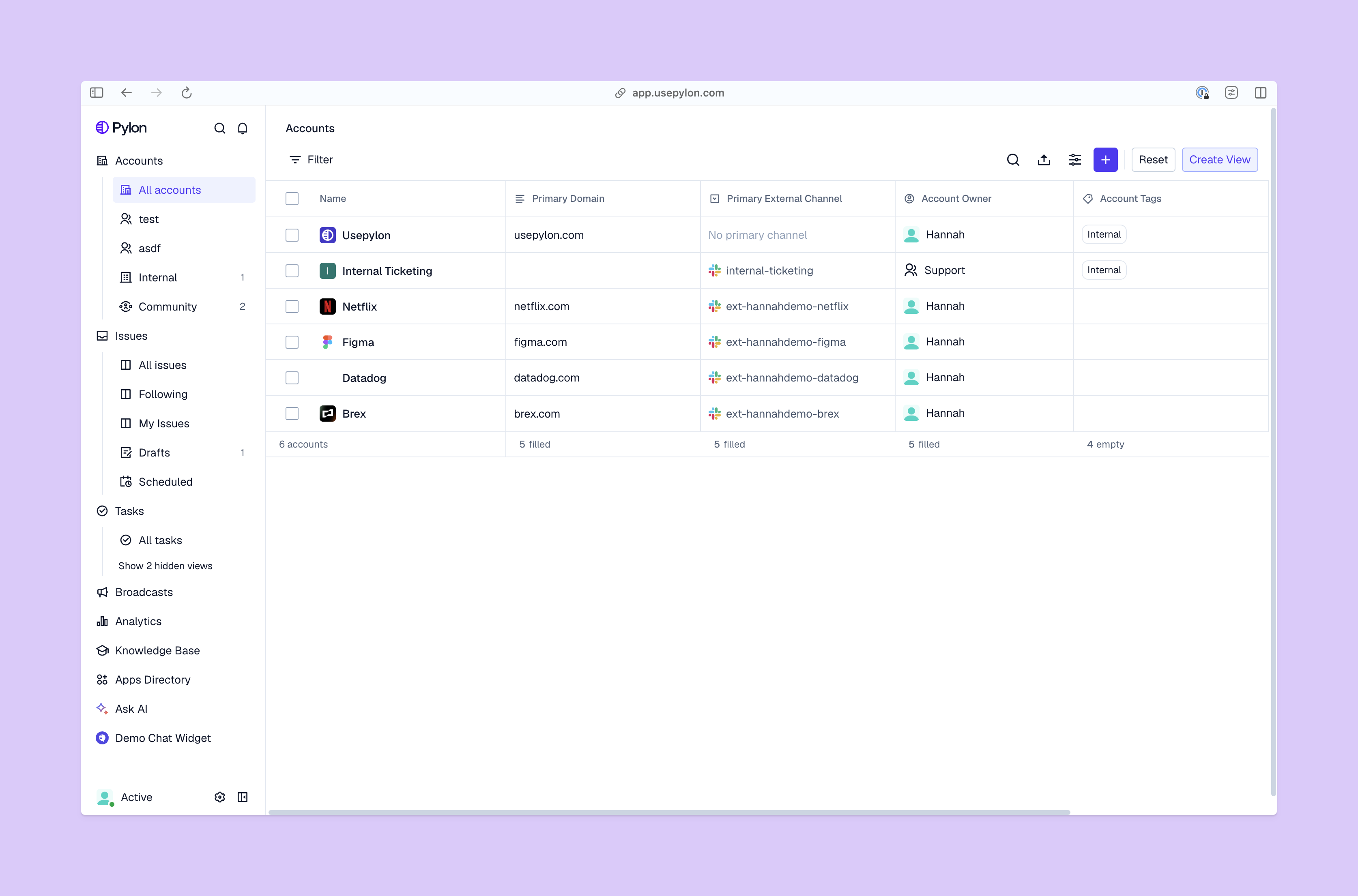
Pylon’s B2B support platform removes onboarding friction. It breaks down siloes and gives teams the shared context and consistent documentation they need. Here’s how Pylon helps speed up new employee onboarding:
Onboarding new employees requires a consistent checklist and the right platform. B2B SaaS workflows are fast-paced and complex, but with the right support, you can help new support reps reach full productivity quickly. If you want to guide your new hires effortlessly, reach out to Pylon.
Pylon is the modern B2B support platform that offers true omnichannel support across Slack, Teams, email, chat, ticket forms, and more. Our AI Agents and Assistants automate busywork and reduce response times. Plus, with Account Intelligence that unifies scattered customer signals to calculate health scores and identify churn risk, we're built for customer success at scale.
A strong checklist covers preboarding setup, product training, shadowing, and independent ticket resolution. You should also have performance check-ins at 30, 60, and 90 days. The goal is a structured progression from observation to confident, independent performance.
Most B2B SaaS companies target a 60–90 day ramp period for support reps to reach full productivity. But this depends on product complexity, the quality of onboarding documentation, and the tools available to new hires.
AI tools can surface relevant knowledge base articles, suggest responses to common issues, and reduce the volume of escalations that new reps need to hand off.
Pylon Workforce Management is available now. See it in action with a live demo.